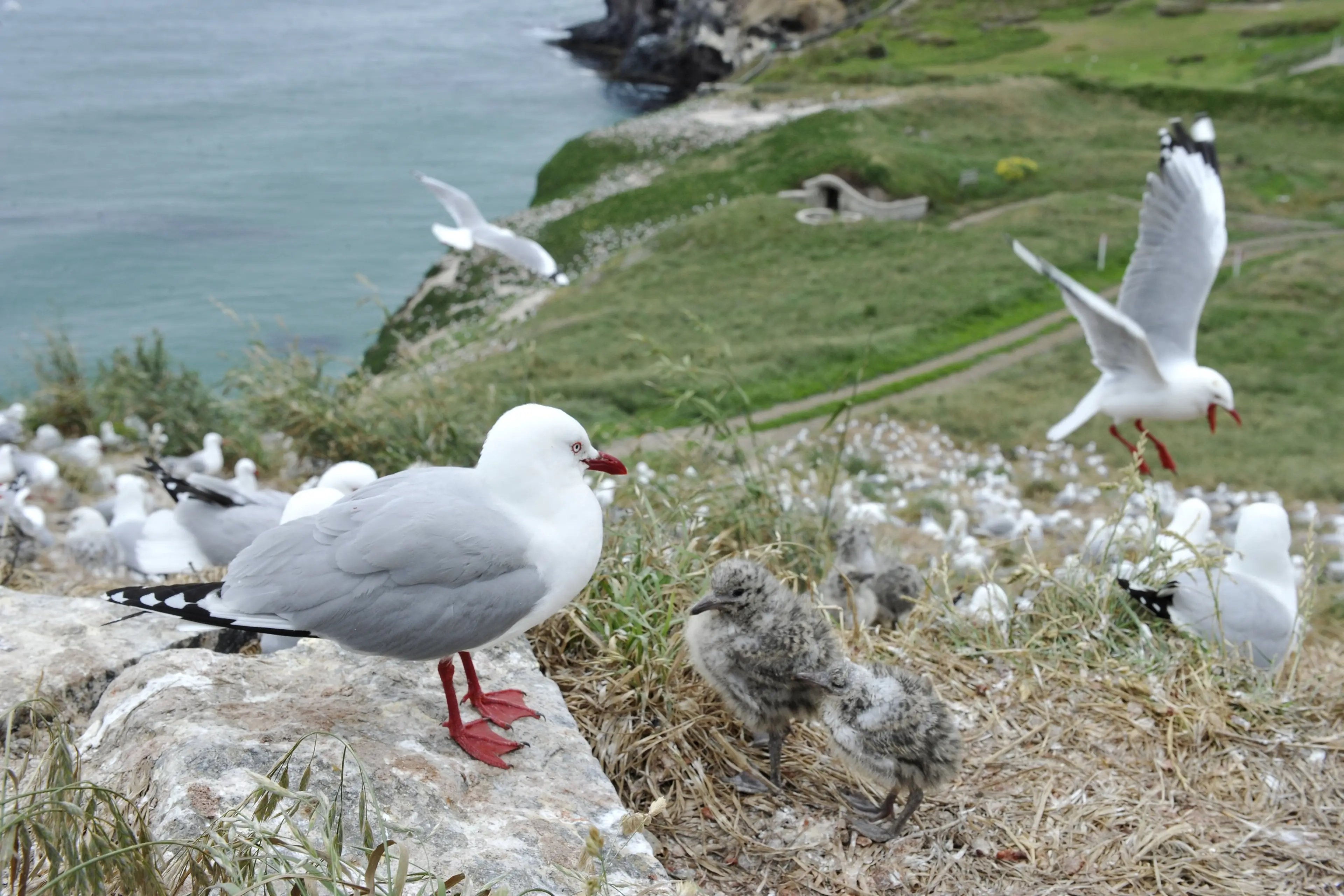
A knee-jerk reaction to the threat of bird flu could have having a “catastrophic” impact on the jewel in Dunedin’s tourism crown, a cruise industry leader says. The Department of Conservation (Doc) told the Otago Daily Times detection of the H5N1 strain of bird flu at Taiaroa Head along with an “active mortality outbreak” would trigger a temporary closure of the site — the highest of a three-scenario response level. ID New Zealand destination management managing director Debbie Summers said closing the headland “would have a catastrophic impact on tourism”. “I just think it’d be a real shame to see all of our colonies go into essentially a lockdown … if that’s not actually going to make any difference to the extent of how the bird flu is going to go through the colony.” New Zealand was not the first country to get bird flu, and she was not convinced cutting off entire colonies from human visitors stopped the virus from continuing to mutate in the way it already did naturally. “I can’t reiterate enough — knee-jerk reactions to this sort of thing are never usually the right way to do things.” Otago Peninsula Trust chairman Ross Smith said a closure of Taiaroa Head would mean the Royal Albatross Centre would also close. Potentially having to shut down a major tourist attraction for an extended period could impact the whole Otago Peninsula. “The impact is not just on the albatross centre, it is all the tourists that go to the albatross centre, who buy ice creams at Portobello and have a coffee at Macandrew Bay,” Mr Smith said. “It will also impact on all the small tour operators that pick up tourists from the cruise ships at Port Chalmers, drive them round to see the albatrosses — they’ll be out of business.” He was also concerned there did not seem to be a city-wide plan for bird flu. A Dunedin City Council spokesperson said it had developed H5N1 response plans for council-managed land and facilities, but did not provide details. OTAGO IMAGES/OTAGO DAILY TIMESA red-billed gull (tarāpunga) at Pukekura/Taiaroa Head. Photo: Gerard O'Brien Otago Peninsula Trust ecotourism manager Hoani Langsbury said closing Taiaroa Head could be an “appropriate response”. Red-billed gulls were an “iconic species for the city” and the colony at the headland, the largest in New Zealand not in decline, was a potentially significant breeding site for seabirds. The second-largest colony in Otago was at Dunedin’s Otago Yacht Club; the birds there were known to travel to the Octagon, Emerson’s Brewery and Forsyth Barr Stadium. There needed to be a consistent response at other locations around Dunedin, Mr Langsbury said. He previously said vaccination was on the cards for royal albatross. The chairman of Taiaroa Head’s governing body, Te Poari a Pukekura, William Karaitiana, said setting a predetermined reopening date in the event of a closure was arbitrary. Different species could be infected at different times, and the duration of an infection could vary. A reopening would be based on ongoing site monitoring and expert advice, Mr Karaitiana said. Doc Coastal Otago operations manager Gabe Davies said the H5N1 plan for Taiaroa Head set out three scenarios that guided the response depending on the level of risk and disease detected at the site. “A temporary closure of the site is only triggered under the highest response level — with H5 bird flu detected at Pukekura [Taiaroa Head] and an active mortality outbreak occurring at the site. “Until that point, public access and tourism activities can continue subject to the provisions outlined in the response plan.” The plan sought to balance wildlife protection, human health and safety, visitor access, conservation management and operational needs. Temporary closure in the event of an active outbreak would reduce the stress on wildlife, prevent people disturbing the birds and potentially spreading the disease, and help keep people safe. “We know from overseas wildlife have the best chance at recovering when they are left alone, with minimal human interaction and disturbance.” Doc recognised the importance of Taiaroa Head to visitors, local businesses and the wider Otago Peninsula tourism economy, Mr Davies said. “However, the response plan is designed to ensure that any restrictions are proportionate to the level of risk and only implemented when necessary.” tim.scott@odt.co.nz