
PHOTO
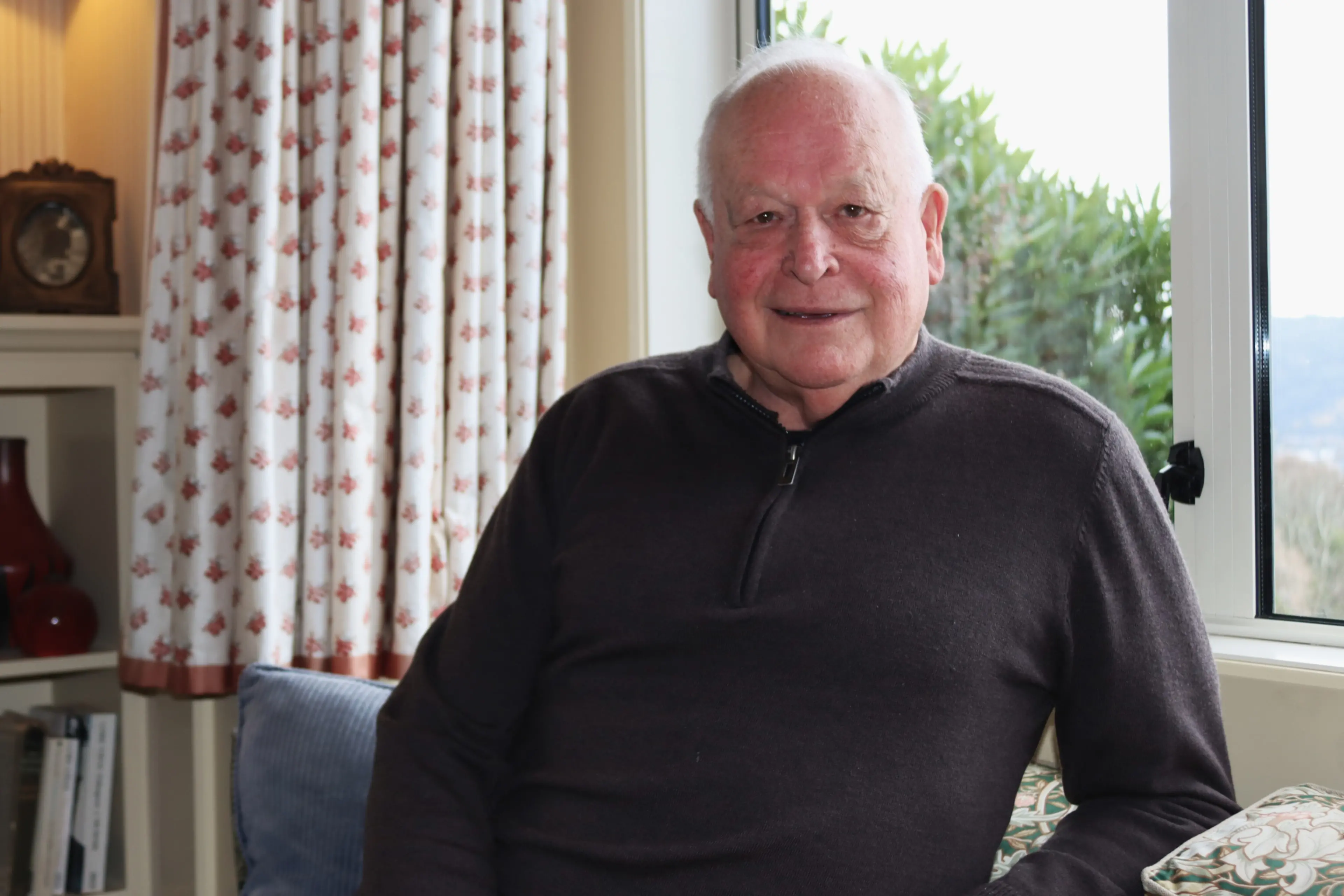
Dunedin resident Euan Thomson remembers an era of severe stigma and fear of prison on the 40th anniversary of the Homosexual Law Reform Bill becoming law. The legislation came into effect on August 8, 1986, stopping police from prosecuting consensual sex between men aged 16 and over. The Star reporter Sam Henderson speaks to the 82-year-old about experiencing both sides of the law.
Four decades after New Zealand made homosexuality legal, fear can still cloud simple acts of affection.
Dunedin resident Euan Thomson knew he was gay from an early age while growing up in Mornington.
In those days before the 1970s homosexuality was still described as a mental illness.
Hiding his sexuality made Otago Boys’ High School difficult and hurt his grades.
When the army called him up for national service, he tried to hide his identity, yet peers still gave him the nickname ‘Doris’.
His life improved after he began working at the New Zealand Broadcasting Corporation in 1963, making programmes in the Garrison Hall studio in Dowling St at the very beginning of the television age.
He finally found a place where he could see people like himself.
“I just fell on my feet because it was such a gay place,” Mr Thomson said.
“It was a wonderful environment for a 19-year-old boy.”
Invited to his manager’s home for a supposed staff dinner, he found himself alone.
“I found that I was the only dinner guest and I was the main course.
“I literally had to run around the table to avoid him,” Mr Thomson said.
At 25, Mr Thomson met 28-year-old Malcolm Gould, beginning a relationship that lasted until Mr Gould died in 2012.
Although they lived together and ran a Roslyn Village coffee shop, they kept separate beds at home and avoided public affection.
During a 1970 Wellington holiday, Mr Gould tried to hold his hand on a dark wharf.
“I shook it off because I was so frightened that we could be bashed down there in that environment and we never held hands again,” Mr Thomson said.
When Parliament passed law reform in 1986, the change removed the fear of prison.
“The cops couldn’t prosecute you … and that was huge … it meant so much.
“You know, people who were friends of ours spent time in jail and fled overseas and so on,” Mr Thomson said.
Today, Mr Thomson holds hands in public with his partner, and praises inclusive communities such as the Mornington Methodist Church, which prominently displays a pride flag.
But he warns prejudice remains.
He recounted an incident when walking along John Wilson Ocean Drthat he believed could have been a hate attack.
“Then suddenly, wham, something hit me at the back of the head that had me on my knees, I was just knocked down.”
He called the police, suspecting that the occupants of an off-road vehicle hit him with a soft pellet.
“I actually thought I saw a gun in the back, but I wasn’t sure.
“I’m sure I was shot by somebody because we had been holding hands.”
While he will still hold hands with his partner, they no longer feel comfortable walking along John Wilson Ocean Dr when the barrier is down.
“I would say we’re still at risk,” Mr Thomson said.
“Yes it’s wonderful that we’re visible in the community now and acknowledged and we can celebrate pride week.
“All those things are fantastic but there is still hatred of gay people for some strange reason.”
sam.henderson@thestar.co.nz