

PHOTO
An ancient disease that has instilled fear and led to the persecution of sufferers for millennia is the subject of an upcoming medical history lecture in Dunedin.
The presentation explores what leprosy looks like, historical treatments and modern solutions.
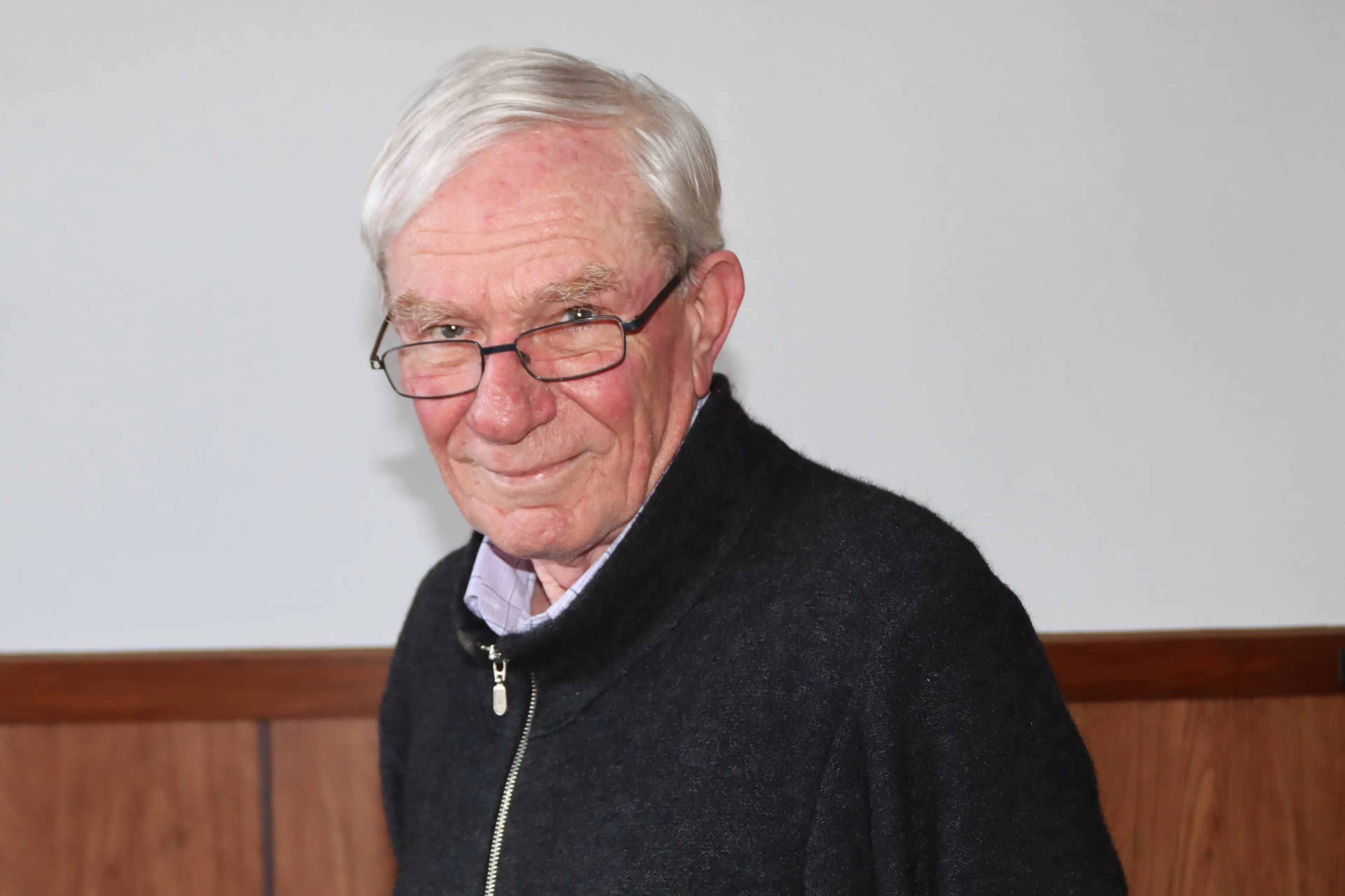
Emeritus Prof Jean-Claude Theis, an orthopaedic surgeon who has treated leprosy patients in Africa, India and New Zealand, will deliver the talk.
Leprosy, or Hansen’s disease, was a bacterial infection and one of the oldest infectious diseases in human history, Prof Theis said.
“They get infected through the nasal and upper respiratory secretions from somebody who is affected, who is infectious.”
“But the exposure has to be over a long period of time and it has to be very close exposure.”
Someone would not be infected by the type of contact that was a feature of Covid-19, he said.
The condition affects the peripheral nervous system and causes discoloured skin patches with underlying numbness.
“Because they lack sensation, they injure themselves and they don’t realise and then that becomes infected.”
Fingers did not just “drop off”, he said.
“It gets a chronic infection, the bone gets infected and then, you know, you end up with, like it looks like you had your fingers or toes amputated.’’
As a specialist, Prof Theis has used orthopaedic surgery to restore hand function for patients.
“If you diagnose it early, yes, you can help them.”
The initial step was treatment to eradicate the illness with multi-drug antibiotics.
After that, it was sometimes possible to deal with the consequences of the nerve damage.
“Because some nerves are more affected than others, so you move the tendons or muscles which are innervated by the nerves which are not affected so you can reconstruct the function of the hand.”
Leprosy was now curable using a combination of antibiotics.
“It was developed in the ’40s and ’50s up to ’80s.
“You have to take more than one drug for quite a long time, six months to a year.
“It is not easy to get rid of the infection.”
Before those were developed, historical treatments were ineffective.
One was chaulmoogra oil, which was derived from the seed of a tropical tree.
This was a popular remedy and was used in New Zealand.
“You injected it and that caused quite a reaction, quite unpleasant and it didn’t really make any difference to the leprosy.’’
The presentation will touch on historical cases in New Zealand, where patients were sent to a leper colony on Quail Island in Lyttelton Harbour.
“Quail Island was a bit of a disaster because … there was no doctor, there was no nurse, they just put them there to get rid of them.
“There was one GP who visited once a week.”
The colony was closed in 1925 and all remaining patients were relocated to a much larger leprosarium on the island of Makogai in Fiji.
“It was very well organised.
“All those who went from Quail Island to Fiji, they were actually much happier.”
sam.henderson@thestar.co.nz