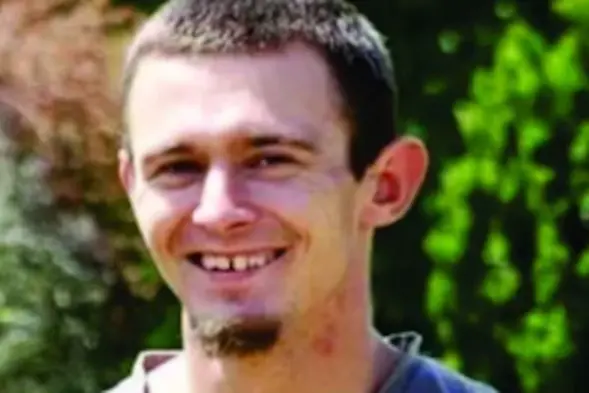
The death of an Invercargill Prison inmate by suicide was an “unacceptable” repeat of an identical fatality six years earlier, a coroner says. Nukuroa Harry Kaahu Strange, 30, was found unresponsive in his cell on August 4, 2022 after two instances of self-harm in the preceding two months. While Coroner Amelia Steel said his mental-health care at the prison was within accepted clinical standards, she made scathing comment regarding the inaction of Corrections in improving cell safety. In April 2016, Alexander Jarman also died by suicide in Invercargill Prison. Six years on from the incident, Mr Strange died using the same method, the details of which cannot be reported. “The Department of Corrections failed to act with urgency to mitigate this known risk,” the coroner said. “Regrettably, in light of the site visit and the evidence provided at inquest, work is still required . . . at Invercargill Prison. The programme of work is disparate and underfunded and remains a substantial risk for the prison population, especially those with mental health issues and those that work within the prison estate.” Among her recommendations, Coroner Steel urged the department to address the issue, which was part of an ongoing national initiative. “The continued exposure of prisoners to known . . . risks is unacceptable,” she said. The coroner’s comments were acknowledged by the department. Mr Strange was remanded in custody on 22 charges, featuring driving, property and firearms allegations, and entered the prison on April 14, 2022. The inquest, which was held in March, heard the inmate became increasingly distressed by the potentially lengthy sentence he faced and the impact on his relationship with his partner. On June 4 that year, Mr Strange made his first suicide attempt and was moved to the Intervention and Support Unit (ISU). OTAGO DAILY TIMES / OTAGO IMAGESInvercargill prison, built in 1910, usually houses about 170 inmates. Photo: Stephen Jaquiery Over the ensuing weeks, there were further concerns for his mental health and he was transferred to the high-risk unit another three times. On two of those occasions, he had to removed by force. The day before his death, Mr Strange was assessed by a principal Corrections officer, whose name was suppressed. The officer had dealt with the prisoner during one of his four previous spells behind bars and described him as “different and considerably withdrawn”. However, he believed Mr Strange presented “no risk” and he was transferred back to the general population. On August 4, another Corrections officer, whose identity was also suppressed, was tasked with undertaking a risk review. This was supposed to happen in person but instead he simply relied on the ISU report, the inquiry heard. Forensic psychiatrist Dr Maxwell Panckhurst, who reviewed Mr Strange’s care, called it a missed opportunity “for direct engagement at what in hindsight was a crucial moment” but he said it was unclear whether it would have changed the outcome. On the day of his death, Mr Strange was placed on direct segregation for his previous outbursts and officers explained how he would be allowed exercise, shower and phone access in isolation from other inmates. In the hour beforehand, he called his partner twice. She said she could not wait for him to finish his prison sentence and needed to carry on with her life. Mr Strange also spoke to his mother. He told her he loved her; she told him not to do anything stupid. Mr Strange was seen on CCTV “visibly distressed” after the phone calls but the Corrections officer who locked him in his cell said he did not appear agitated. Less than 30 minutes later, an inmate cleaning windows saw him unresponsive and called for help. Mr Strange could not be revived. Two prisoners, who gave evidence at the inquiry, said they had raised concerns about the man’s mental state in the lead up to his death, one saying he was “brushed off” by prison staff. But that was disputed by Corrections officers. Coroner Steel was critical of the documentation around Mr Strange’s first suicide attempt. “These matters should have been more prominent considerations in Nuku’s transitions between prison units,” she said. Since the incident, the department had made changes to various protocols, including holding meetings regarding prisoners released from the ISU to better support their transition to the mainstream population. rob.kidd@odt.co.nz