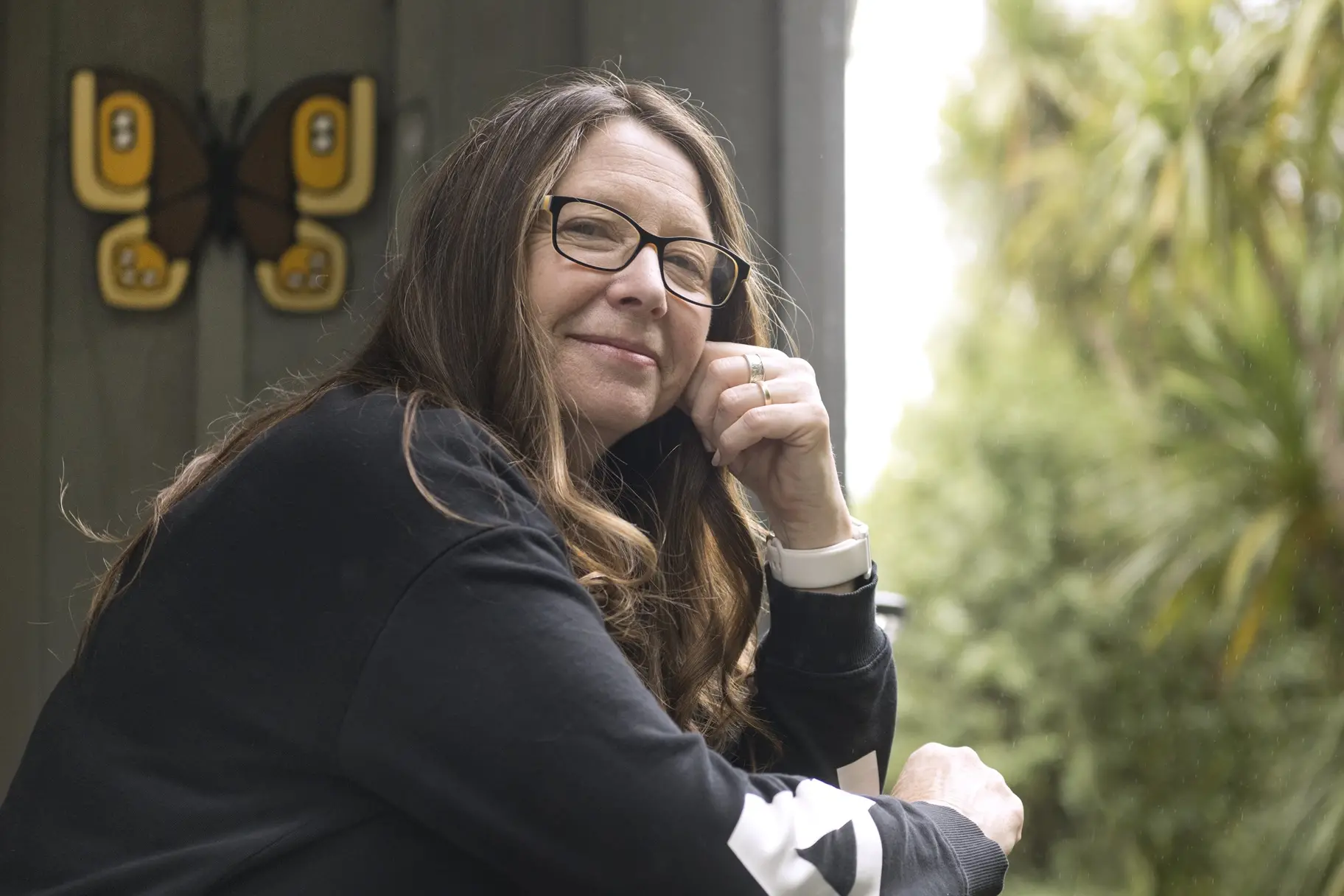
The wave of recent blows to arts and culture in Dunedin has made the community feel so despondent they might give up fighting, a local playwright fears. Theatreworks Ltd co-founder Cindy Diver said recent developments — the planned downsizing of the University Book Shop and the axing of Creative New Zealand funding to both the Dunedin Arts Festival and Otago Polyfest — had hit the arts community “extremely hard”. “It has made a lot of people feel extremely despondent about continuing in the arts, and continuing to fight for the arts,” Ms Diver said. “We’ve got fatigue from fighting for the arts. “I’m concerned that people will give up.” Ms Diver said reductions to the arts had happened incrementally and with speed over the past 30 years. But in the last 10 years, it seemed “almost like a downhill ski race to the bottom”. “There’s a real sense of dread amongst local professionals that they can actually maintain the standard and the quality of the arts in our area.” The entire South Island received less than 10% of the more than $100 million dished out by Creative New Zealand in its latest funding round. Regent Theatre director Sarah Anderson said “three significant setbacks landing in close succession” was a lot for Dunedin’s arts community to absorb all at once. It reflected a “genuinely difficult stretch for Dunedin’s arts sector”, rather than an isolated setback “I’d be lying if I said I wasn't concerned,” Ms Anderson said. “These aren’t peripheral events or minor players; they’re organisations that have shaped Dunedin’s cultural identity for years.” Each organisation played a distinct role with, different audiences, art forms and community connections. “Losing funding certainty across several of them at once puts real pressure on the wider ecosystem. “Arts organisations in a city like Dunedin often support and feed into one another, so a hit to one is rarely felt in isolation.” The Dunedin Arts Festival and Otago Polyfest had consistently delivered outstanding outcomes for their communities and stakeholders over many years. Dunedin had a genuine track record of rallying behind its arts and culture sector in tough times, and she was confident in the resilience and creativity of the people running these organisations, Ms Anderson said. Arts and culture were not nice-to-haves for a city like Dunedin, “they’re core to our identity, our economy”. “When you see this pattern happening in such a short window, it raises real questions about the broader funding environment our arts organisations are operating in — questions that go well beyond any single event or institution.” Dunedin Summer Shakespeare director Kim Morgan said Dunedin’s art scene had been struggling since the closure of the Fortune Theatre, in 2018. The Dunedin Arts Festival and Otago Polyfest had decades worth of history and perhaps an even broader appeal. “Without Polyfest, we [would be] losing a huge pool of cultural knowledge as well as getting people at a young age into the performing arts, valuing storytelling through the performing arts,” Dr Morgan said. “The Dunedin Arts Festival sort of sits at the other end of the spectrum, bringing valued local practitioners, national and international artists together. “We’re attacking the ecosystem at both sides.” The city risked losing “the very things that are drawing people here”. “We know that the arts are always undervalued, but this seems to be a particularly dire series of hits coming in the winter.” Dunedin City Council events team leader Dan Hendra said it was having discussions with a number of event organisers about building resilience and developing more diversified revenue streams. Staff had already been in touch with the Te Mana Āhua Ake Charitable Trust, which runs Otago Polyfest, to offer support as it considered next steps. A Creative New Zealand spokesperson said it understood the outcome would be disappointing for those who supported Otago Polyfest. Demand for funding continued to significantly exceed the funding available and the organisation was navigating a constrained financial environment, reduced government funding and a static lotteries funding path. tim.scott@odt.co.nz