

PHOTO
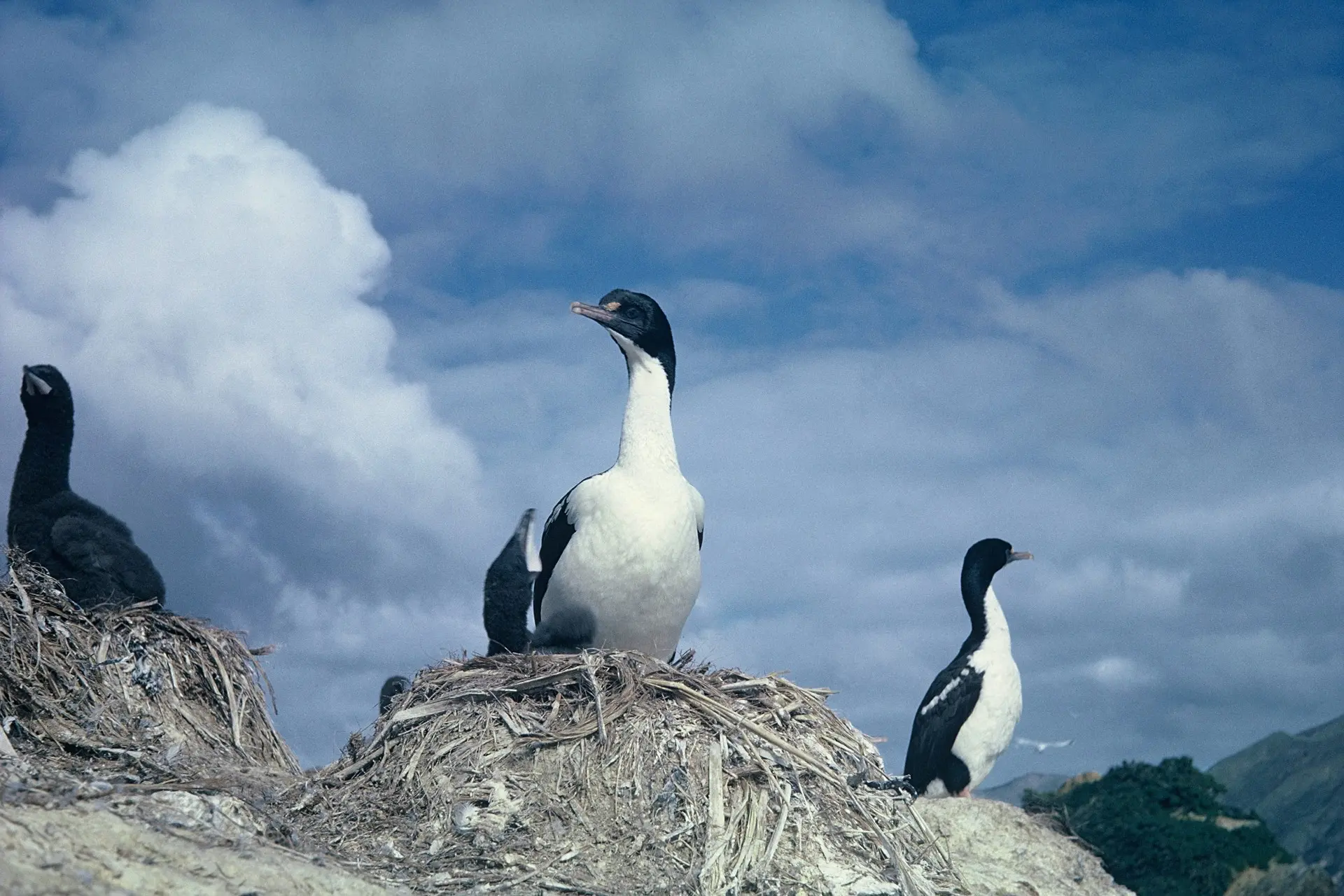
Falling numbers of an endangered sea bird have sparked a stark reminder for the public to help protect them.
Latest figures from the Department of Conservation show a 30 per cent decline in king shag/kawau pāteketeke numbers in the Marlborough Sounds since 2021.
Several years of poor breeding has seen numbers drop to 550.
The iconic bird, which is only found in the Marlborough Sounds, is under real threat, DOC are warning.
“This decline shows this iconic Marlborough bird is facing real pressure in the wild. It’s vital people help them out and give king shag colonies a wide berth,” Department of Conservation Principal Ranger for the Sounds District Dan Palmer says
“Boaties must stay at least 100 m away from king shag colonies under the Marlborough Environmental Plan, as the birds are easily disturbed and can start to show signs of stress leading to abandonment of nests and roosting sites when vessels, including kayaks, are too close.”
King shag colonies and roosting sites are found near several popular fishing spots and bird watching sites including Sentinel Rock, Duffers Reef, White Rocks, North Trio/Kuru Pongi and Blumine Island/Oruawairua.
While king shags are often mistaken for pied shags, Dan says there are some important differences.
“Unlike pied shags, king shags aren’t interested in scavenging around boats and generally keep their distance from people.
"They’re more robust than their pied shag cousins, have distinctive pink feet, and nest on rocky outcrops, while pied shags make their nests in trees.”
Marlborough District Council’s Head of Environmental Policy Pere Hawes says recently introduced coastal rules will help protect these special birds.
“Council is committed to working with DOC to protect king shag’s habitat. A new 100 m exclusion zone around breeding sites has been put in place through the Proposed Marlborough Environment Plan to discourage close approaches.
"By minimising disturbance caused by boats, adults are more likely to stay on their nests. By staying at least 100 m away from identified breeding sites, boaties can help protect the species during nesting.”
Dan says while the cause of decline is likely complex, including factors like a changing climate and the impact on food supply, human disturbance is one factor.
The risk of H5 bird flu to king shags is considered high because this species nests in colonies, roosts communally and lives in seabird habitat close to other at-risk species such as gulls, terns and seals.
“Overseas experience has shown that bird colonies have a better chance of recovery from H5 bird flu if they are left undisturbed,” Dan explains.
“We’ll be monitoring the situation but ask people enjoying the Sounds to be vigilant."
Report any sick or dead birds or seals found in a group of three or more to MPI on 0800 80 99 66. You can also report online at https://report.mpi.govt.nz/pest/.