PHOTO
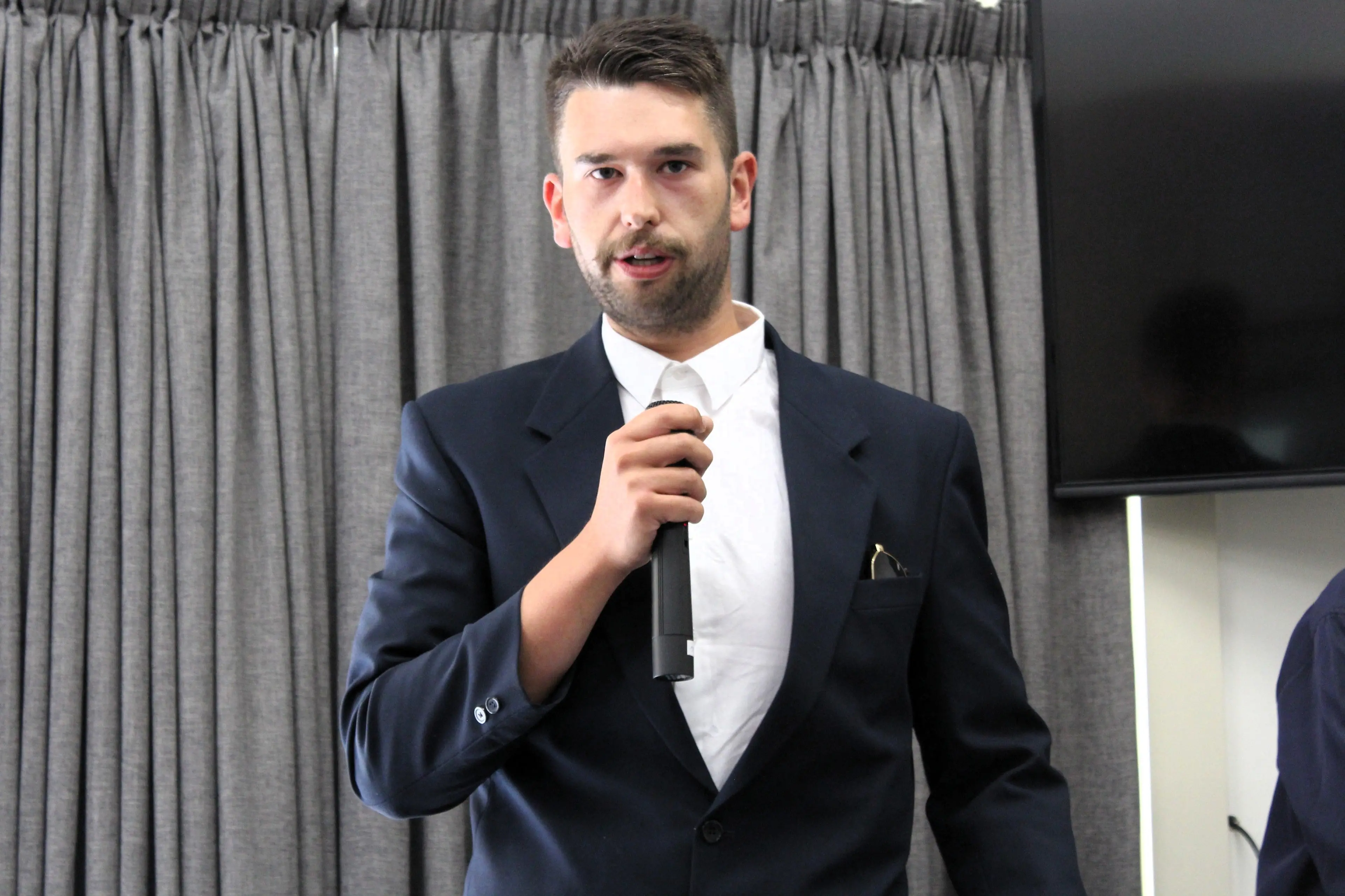
“Surprise everybody, there’s a good option this year,” independent Kaikōura electorate candidate Oliver-John Hill-Hughes announced as he walked into the Blenheim Grey Power meet-the-candidates meeting.
“That’s a bit of a low blow, since you were late,” Grey Power Marlborough president Gayle Chambers clapped back.
Oliver had entered a few minutes into Chambers’s introductions. Four other candidates were already sat along a wall about to make their opening statements to the half-full room of about 30 people on Tuesday.
“I was busy coming up with how I'm going to increase the pension,” Oliver said.
That plan was a full overhaul of the welfare system to increase pensions by 1 per cent, prioritising them over “going nowhere” jobseekers. A policy that National and Labour weren’t brave enough to change, he said.
Oliver had been asked about how he would improve access to respite care and specialised dementia services.
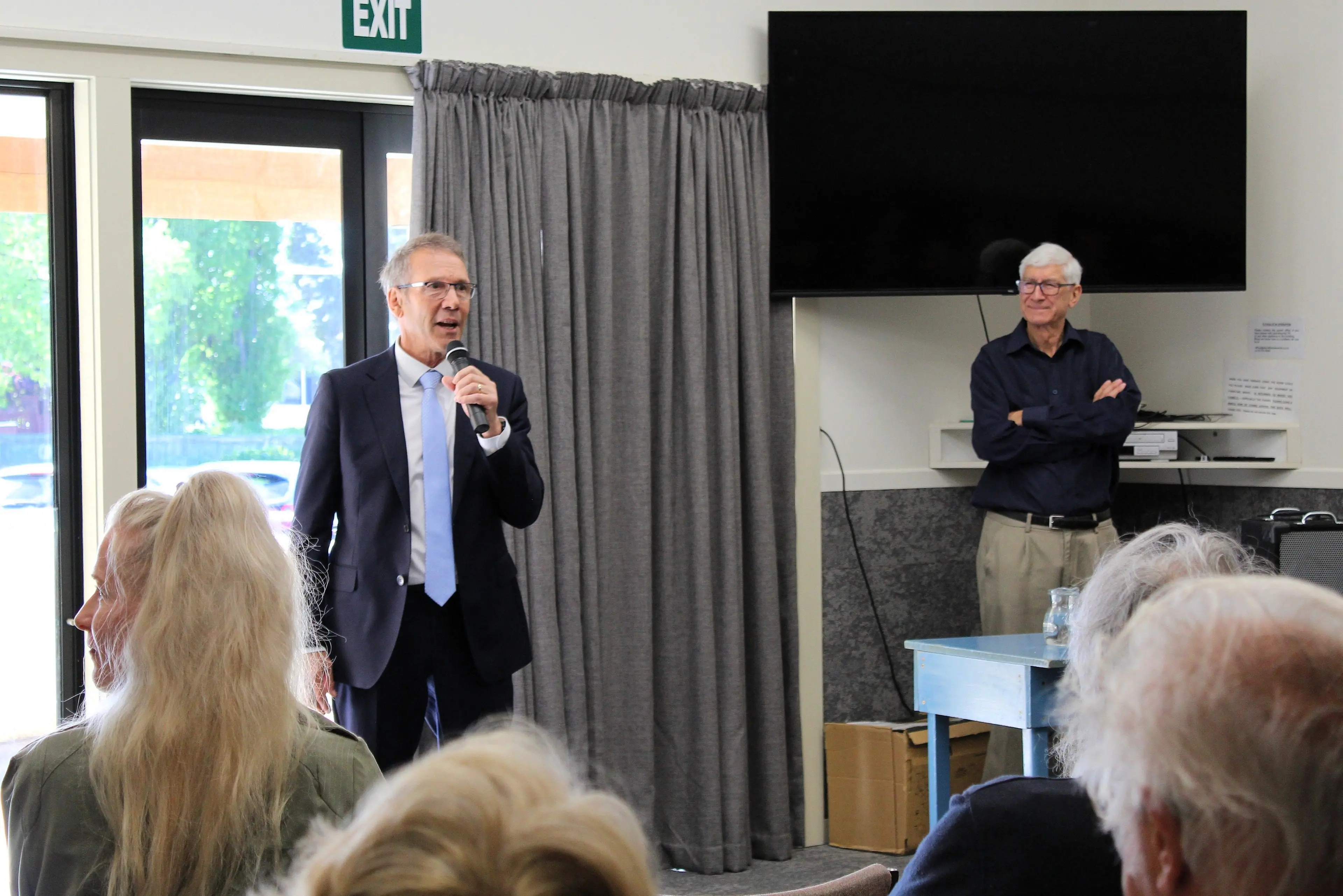
National candidate Stuart Smith said the government had already put forward $24 million to enable 391,000 bed nights for respite care.
“It's not a lot of money, but it actually goes a long way if you do it in a targeted way, which is what we're doing.”
ACT candidate Tom Spooner advocated for cutting government regulation in the sector, saying more respite care would not be achieved by politicians, but by “the people on the ground that see the issues”.
The topic shifted to climate, with Oliver saying New Zealand should leave the Paris Climate Agreement.
The government should take charge of lowing emissions themselves rather than paying $5b for failing to meet an international benchmark, he said.
“I see you’ve been reading my polices,” said Stuart, who was the National Party’s climate change spokesperson.
“You blocked me on Facebook, I don't see any of your stuff,” Oliver said.
But health and elderly care dominated the questions directed towards the candidates.
When asked about how to increase healthcare support for seniors, both Stuart and Tom advocated for some kind of privatisation.
Tom argued the current healthcare sector was a “highly regulated market” where prices were kept high by a lack of competition.
“Unfortunately it's been proven that some privatisation of healthcare goes a very long way,” he said.
ACT’s healthcare policy was not aiming to dissolve the public health system, Tom said, but help Kiwis get “more bang for their buck by ... allowing people to enter that market”.
Stuart championed the work of Blenheim’s private Churchill Trust Hospital, where 41 percent of procedures carried out this year would be for people on the public waiting list.
“That is a significant reduction in the wait times ... some people don't like it, but it works, and it's very effective,” he said.
Retaining nurses and care workers was another key concern.
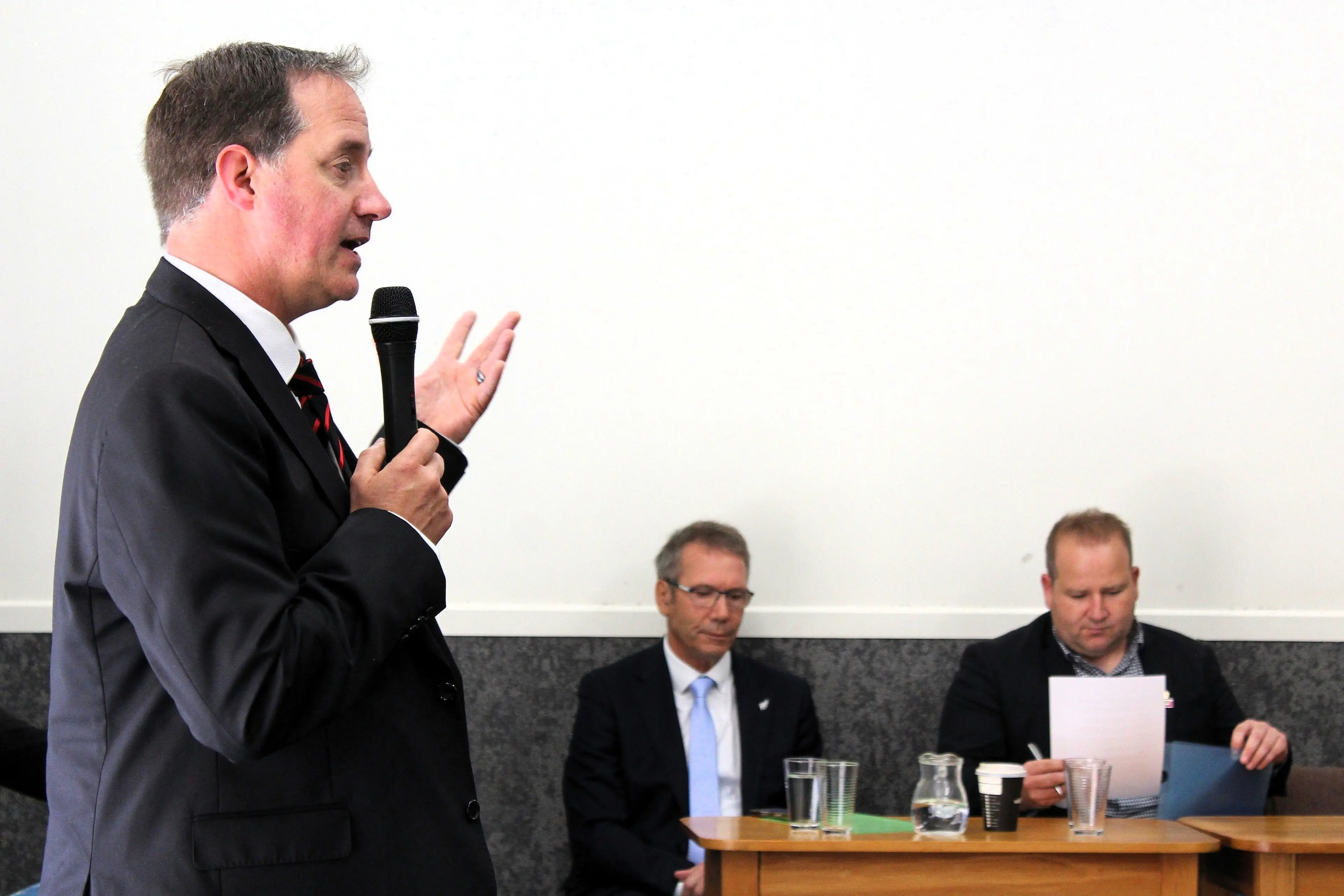
Labour candidate Matt Flight said his party’s policy of increasing care workers’ pay by $4 an hour would help “a huge amount”.
“It’s going to make people want to be care workers, a bit more. It’s going to give them the ability to ... actually be happy about coming to work knowing they’re going to get paid fairly.”
NZ First candidate Jamie Arbuckle said his party’s focus was on putting preventative care “at the heart of the health system”.
Spending only 3 per cent of the current health budget of preventative care was “treating at the bottom of the cliff”, he said.
“We want to go back and actually start teaching young people a better way and that way we can actually reduce some of the chronic illnesses that many of our people are suffering.”
LDR is local body journalism co-funded by RNZ and NZ On Air.