PHOTO
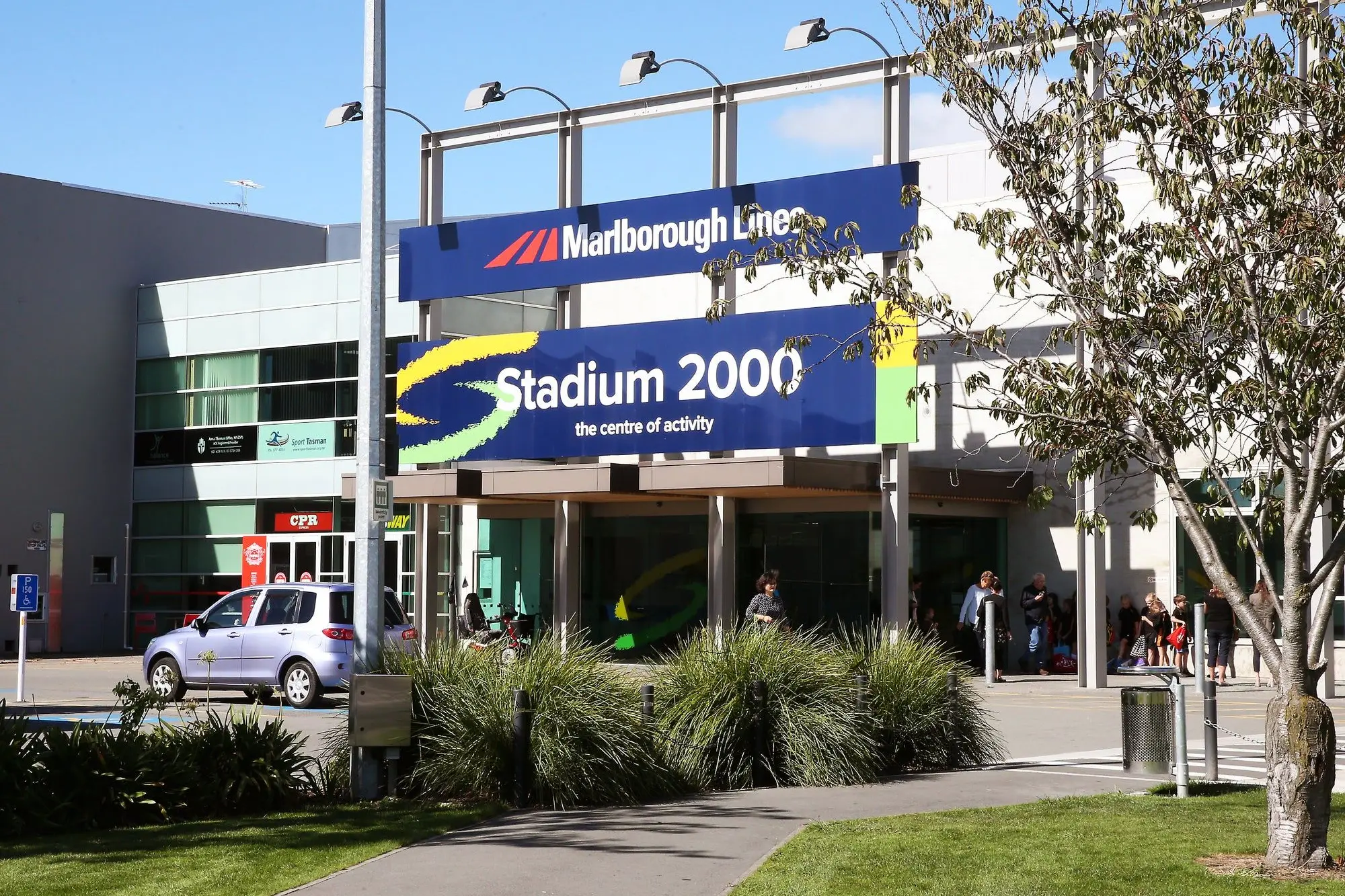
Will Marlborough Lines Stadium 2000’s new solar panels help to pay the bills? No, not even close. But they sure might be handy in a pinch.
That was enough to win over Marlborough Stadium trustees at their annual general meeting last week. After all, when the government offers subsidised solar panels, you’re not going to say no.
The new panels, set to be installed by the end of February following minor strengthening works, were part of a community resilience initiative run by the Energy Efficiency and Conservation Authority.
The programme had provided panels for key buildings throughout the region, including town halls in Flaxbourne, Havelock, Linkwater, Renwick, Okiwi Bay, Endeavour Park Pavilion in Picton, and Rai Valley School.
Marlborough Stadium Trust treasurer Samantha Forrest said the panels would be installed by the end of February, following minor roof strengthening works.
The trust would put $53,600 towards the installation.
The main purpose of the panels was emergency resilience, Samantha said. The stadium’s role as a Civil Defence needs assessment centre qualified the building to be part of the programme.
Trust chairperson Mark Unwin said that because the batteries needed to remain topped in case of an emergency, the solar panels would only provide 5% to 8% of the energy needed for the stadium’s sport facilities, not including the aquatic centre.
Trustee Kelly Thompson said that the trust had been investigating solar for the stadium for “many years”, but challenges around roof strengthening had the idea “going around in circles”.
So when they given the opportunity to participate in the government-funded programme they “took it with open arms”.
Samantha said the stadium recorded more than 1.4 million visits in 2025-26, only three years after cracking one million visits. The increase was a “huge win” for Marlborough.
While the facility had posted an operating surplus of $580,200, Samantha said a significant chunk of it was made up of one-off grants and an insurance payout.
Expenses for significant repairs and maintenance being reclassified as capital expenditure also contributed to such a high operating surplus, she said.
Increased operating costs and the asset renewals required for an ageing facility meant that the current financial gains would be short term, she said.
Revenue for the year was about $4.8m, up 5.76% on the previous year.
Increased revenue meant the trust could increasingly stand on its own two feet, and was becoming less reliant on Marlborough District Council’s yearly grant of $839,000.
The council grant made up only 17.37% of total revenue, down from 18.4% last year and 20.1% in 2024.
Samantha said that the proportion of council funding to revenue was “incredibly low” compared to other facilities around the country.
The annual report said the trust had developed a 10-year financial and asset management plan to ensure that key infrastructure would be replaced as it reached the end of its useful life.
In the past year the foyer bathrooms had been refurbished, critical aquatic equipment had been replaced, UV treatment was upgraded, and a plan was made for a new onsite chlorine generator.
LDR is local body journalism co-funded by RNZ and NZ On Air.