
PHOTO
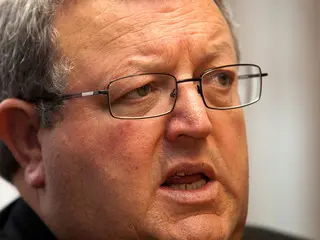
Entering the Pike River Coal mine to recover the remains of 29 men is not yet possible, Energy and Resources Minister Gerry Brownlee says.
Police announced on Thursday they were ending their recovery operation and handing the West Coast coal mine over to the receivers.
Mr Brownlee said police received expert advice that it was "highly unlikely" the mine could be entered safely and had therefore decided to end the operation.
"I was at the (police) meeting last Thursday... I made the very strong point there that there was no way that you could perpetually look toward recovery -- knowing from the experts that was simply not a possibility," he told Radio New Zealand.
Even if the mine was stabilised, it was likely a high methane content would mean it was impossible to breathe in the mine, he said.
"There is no one sticking up their hand to say 'let me walk up that 2.3km tunnel, set up the oxygen stations that are necessary and then start moving the rubble'...It is a huge operation and at the moment not possible," he said.
The receivers, PricewaterhouseCoopers, yesterday announced work would continue for up to eight weeks to try to ensure stability of the mine's environment.
The cost of the work would be covered by the receiver.
Grey District Mayor Tony Kokshoorn was at the meeting between the families and the receiver and yesterday told NZPA everyone breathed a sigh of relief at the news of work continuing.
"The reaction is good, it's one of relief that they've bought another six to eight weeks.
"It's good news for the short term."
The decision to continue work at the mine was done on the basis the secured creditors agreed to the plan, Mr Kokshoorn said.
Receiver John Fisk yesterday told NZPA it could take up to two years before anyone could re-enter the mine, making the recovery of the 29 men killed in the November tragedy "very unlikely".
"The plan envisions a temporary sealing, but one where it will be possible to get back in," Mr Fisk said.
He said there would be "no significant difference" at the mine as the plan was a continuation on what was being done to date.
Police Commissioner Howard Broad has said the receivers' decision was in line with police conclusions and he believed recovery of the bodies was not viable.
The 29 men died after an explosion ripped through the mine on November 19, followed by several subsequent explosions.