
PHOTO
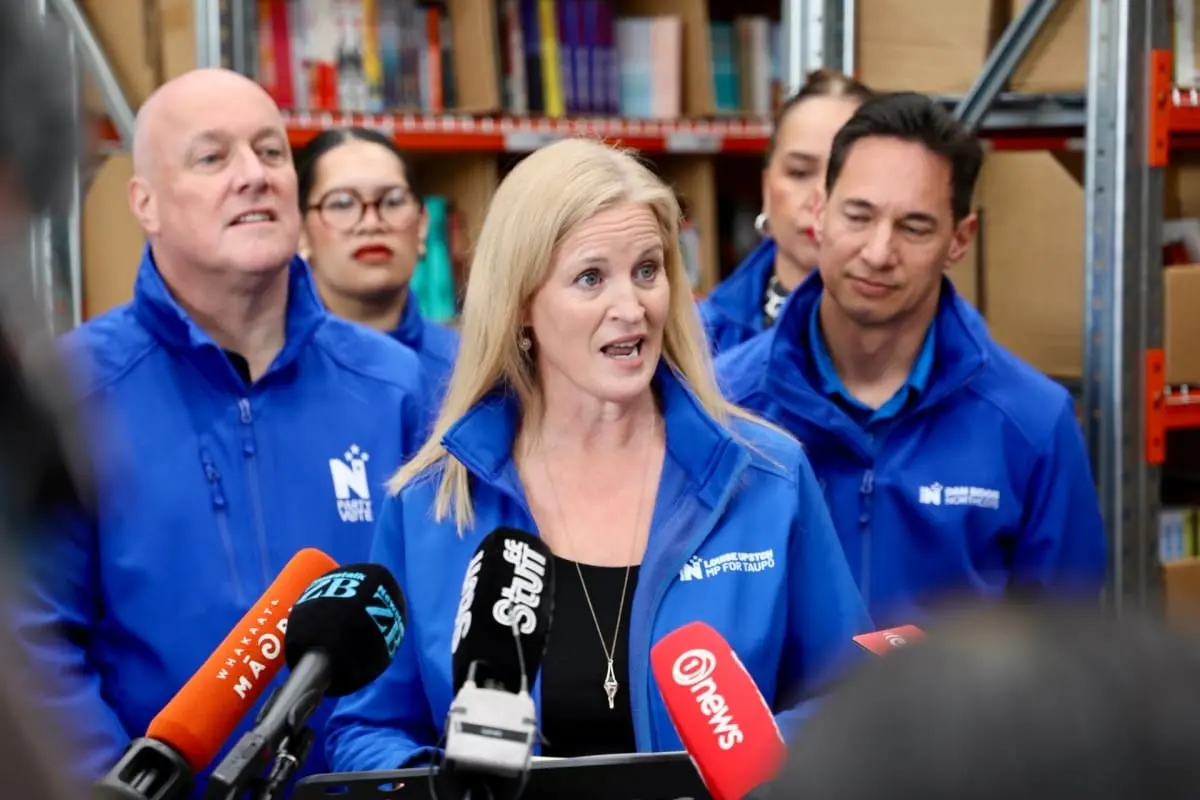
National is promising to introduce random drug testing for those on the jobseeker benefit to ensure they are "ready for work".
A policy document released by the party said New Zealanders were regularly required to pass drug tests to get or keep a job and it was "not too much to ask" that people getting Jobseeker Support take "reasonable steps to remain work-ready".
The announcement is part of a five-point plan that wants to "remain focused on employment", and is "fair and affordable for taxpayers."
National's Social Development and Employment spokesperson Louise Upston made the announcement in Paraparaumu on Thursday morning.
Upston said it would start with 10,000 tests in the first year and expand over time.
National expects the policy to cost around $1.5 million per annum and be funded from Ministry of Social Development baselines. The savings are expected to be just over $580 million from 2027/28 to 2030/31.
"Under our policy, a first failed test will be recorded and a second failed test will trigger a clinical alcohol and drug assessment,” Upston said.
"Where someone then fails to meet their obligations, the normal sanctions regime will apply, which could include reductions to their benefit."
She said it wasn't about "punishing someone because they haven't found a job", but about making sure people receiving Jobseeker Support met reasonable expectations to be ready for work.
Under the policy, single Jobseeker recipients without children would get a reduction of around $48 per week, couples without children would get nearly $82 less per week and Jobseeker recipients with dependent children around $24 less per week - if the changes were made today.
However, actual reductions would reflect Jobseeker rates in 2028, which will increase on April 1 next year and April 1 in 2028 to reflect inflation.
"Our five-point plan will provide more help to get into work, and stronger expectations and consequences the longer someone remains on welfare or repeatedly makes choices that keep them out of work," Upston said.
Other parts of the plan included reducing the amount paid to jobseekers who have been on the benefit two of the previous three years.
The plan specified there will be a smaller reduction for households with children - and a longer stand down period for those who "repeatedly leave employment" without a good enough reason.
Asked by reporters whether MPs should be drug-tested as well, party leader Christopher Luxon said at the annoucement he was "very open" to that, but stopped short of making that a campaign commitment.
Upston said National was focused on "getting more people off welfare and into work".
National has also promised:
- To provide "intensive, work-focused support" for 30,000 jobseekers who have been on Jobseeker for more than a year, with more funding for employment programmes that support young people into work.
- Lowering the rate of payment for those who had been on the benefit for two of the previous three years, from April 1 in 2028. There would be a smaller reduction for households with dependent children.
-
Those who repeatedly leave employment without good and sufficient reason would face a 26-week non-entitlement period, up from 13 weeks.
- From April 1 in 2028, the minimum residence period to qualify for main benefits will increase from two years to five years.
ACT supports testing
ACT leader David Seymour is supportive of National's plan to drug test beneficiaries, but believes its proposal to lower the rate of payment for those who have been on the benefit for two of the previous three years is a "cop-out."
Seymour said if people believed in the "basic premise" that being on benefit required them to be ready for work, rather than a lifestyle of being dependent, then they must be able to pass a drug test.
"I look at guys that get up and go to work at five in the morning, go to a depot, get in a ute, and get driven out into the forest, work like hell in a dangerous environment. Why should those people have to pass a drug test so they can keep getting paid, when the alternative is to get stoned, stay in bed, and actually get the money from people from people who do have to go and work.
"How can that be OK? How do people think a society is supposed to work if you need to pass a drug test to earn money to give people who end up taking drugs? That's not right - people should have to work for their drugs."
Frankly rubbish, says Labour
The Labour Party accused National of painting beneficiaries as "bludgers" in the hope it translates to a bounce in the polls.
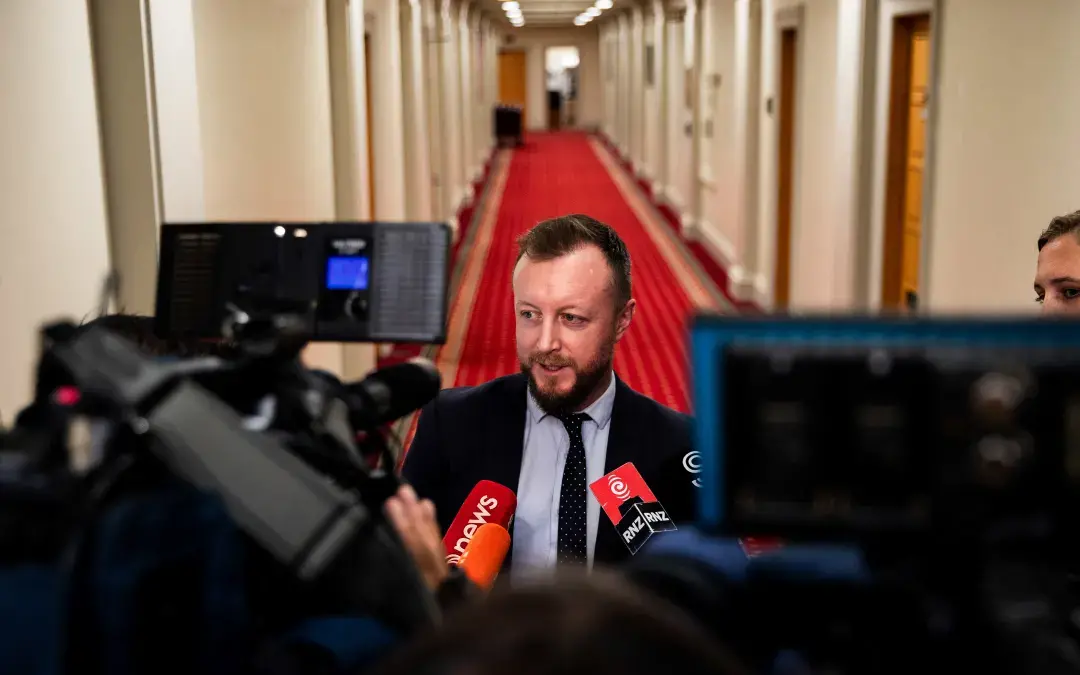
Labour's campaign chair Kieran McAnulty told RNZ the idea behind the policy was "frankly rubbish" and "quite offensive" to people who were desperately trying to find a job.
He believed the government's focus should be on creating jobs, not trying to look tough.
"If the National Party wanted to randomly drug test beneficiaries, then why don't they randomly drug test themselves?"
"It's a tried and true Tory approach. Kick the beneficiaries, and hope that it gives them a bounce in the polls."
McAnulty said his past experience as a case manager at Work and Income had taught him that people were not on the Jobseeker by choice.
"The whole premise behind it is that these people are taking the piss, and they're not. These aren't bludgers."
Earlier this week, Labour confirmed it would not campaign on reversing the new Jobseeker "parental test" - introduced by the coalition - which prevented many 18- and 19-year-olds from getting the benefit.
McAnulty said the party could not do everything it wanted straight away.
"We don't like it. We don't support it. But at the end of the day, we need to make our fiscal plan add up. We need to make some trade-offs, and that was one of the things that fell by the wayside."
