
PHOTO
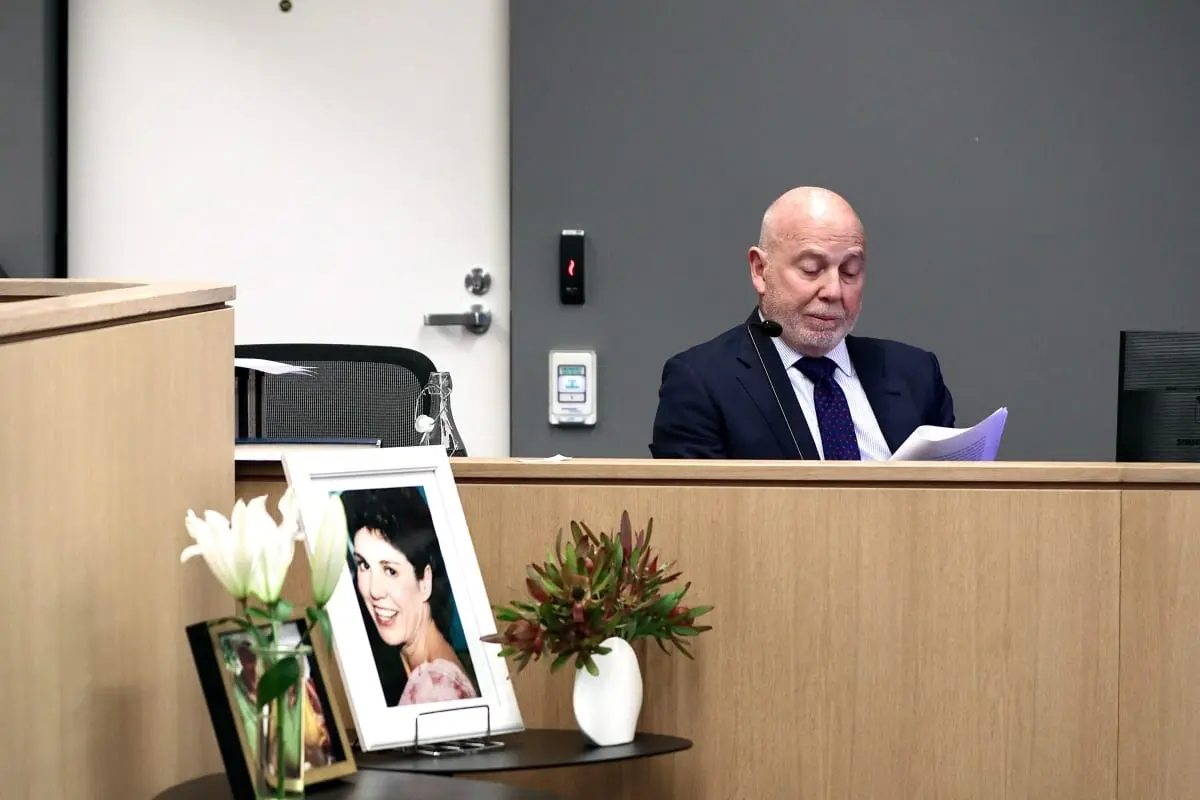
Philip Polkinghorne says he began to delete photos and data on his phone from sex worker Madison Ashton when he realised he was the "prime suspect" in his wife's death.
He told a coroner he felt "betrayed" by police who had been interviewing him for several hours before a defence lawyer friend called him to tell he was likely a suspect.
Polkinghorne was found not guilty two years ago of the 2021 murder of Pauline Hanna and was giving evidence on Tuesday at an inquest into her death.
He did not testify during the trial.
His lawyer, Ron Mansfield, asked him to explain why he had deleted pictures and data from his phone after Hanna's death.
"It was embarrassing. I wanted to keep it private."
There were also messages from other sex workers, he said.
"It had compromising material that I didn't want anyone to see," he said.
Polkinghorne said he had gone to the police station to be interviewed the same day he found his wife.
He got a call midway through from his friend, defence lawyer Tony Bouchier, who told him his house was a crime scene and he was likely a suspect.
Polkinghorne said police had not told him that.
"I felt I had been betrayed and that they had taken advantage of my vulnerability," he said.
He began his testimony on Tuesday by reading written evidence, breaking down several times, before being questioned by Mansfield.
Some of the details he remembered from the morning, particularly physical evidence at the scene, did not match what he was later told by police or saw in photos.
Much of that can not be reported due to suppressions.
When he looked back, he was shocked and confused, Polkinghorne said.
Mansfield asked him about his state of mind the morning he found Hanna.
"I was absolutely devastated and I couldn't think straight. I couldn't get my phone to work. I mean how pathetic is that?" Polkinghorne said.
"I knew she was cold. I wanted to cover her up… She was dead. She didn't need a blanket."
The next sequence of events was unclear to him but he remembered calling 111, and then calling his sister Ruth, he said.
He answered questions from Mansfield about whether he had used methamphetamine the night before Hanna's death.
He raised his voice as he answered: "No."
He also denied using the bathroom of the room where Hanna had slept and where traces of methamphetamine were found. In 2024, he had been convicted for possession of the drug.
Polkinghorne spent some of his evidence talking about the stress Pauline had been under in the lead-up to her death.
She was part of the Covid-19 vaccine rollout and had been working very hard, he said.
Emails on many days were sent over a 13-hour period.
His voice cracked when he said one day, they had spanned 20 hours.
The day before she died she had gone to the gym, then straight to work in her gym clothes, he said.
That was unusual.
"She was always pristine and well presented and would not normally be seen in gym gear or what she would wear at home," he said.
Told not to be sarcastic
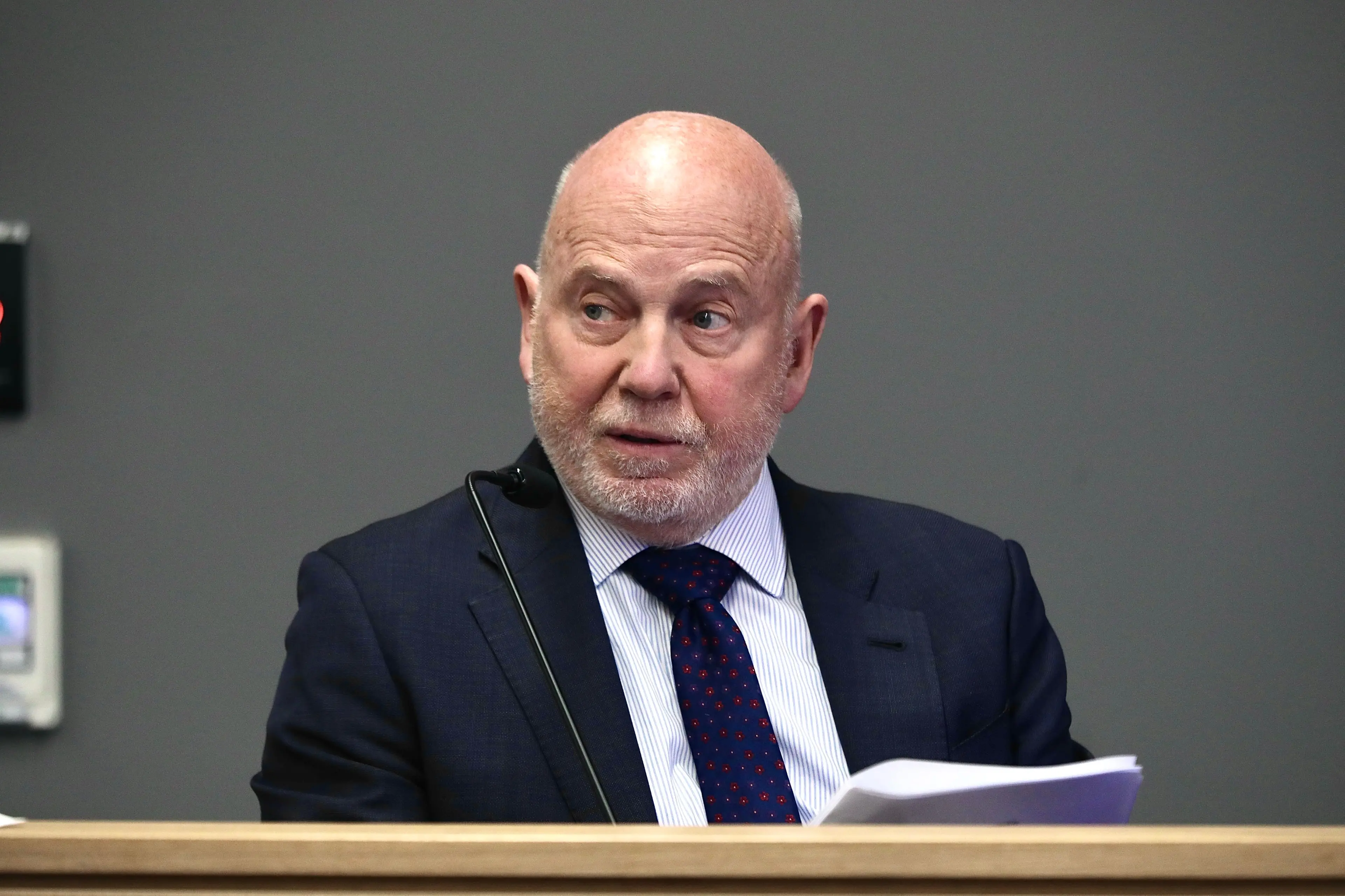
Counsel for police Alysha McClintock began her cross-examination of Polkinghorne on Tuesday, asking him why he had previously given three descriptions of the scene where he found Hanna.
He became irritated several times.
McClintock honed in on actions Polkinghorne said he took when he stepped away from a 111 emergency call for 10 seconds.
The details of those actions are suppressed.
She accused Polkinghorne of "pretending" to do what he said he had done because the timing meant it was not possible.
Polkinghorne disagreed, saying sarcastically he should have videoed the whole event.
That prompted Coroner Tania Tehitaha to intervene, asking him not to use sarcasm.
Polkinghorne appeared frustrated when McClintock persisted with her timing theory.
"There is no evidence for whatever your ridiculous postulate is which you keep harping on about," he said.
McClintock noted Polkinghorne's evidence had changed several times since he was first interviewed by police.
He agreed, and also agreed that some of what he was telling the coroner at the hearing was different to previous evidence.
But that could be explained by his distress and shock when he was first interviewed, he said.
Over time, he was able to consider what actually had happened and approach his evidence in a more considered way, Polkinghorne said.
