
PHOTO
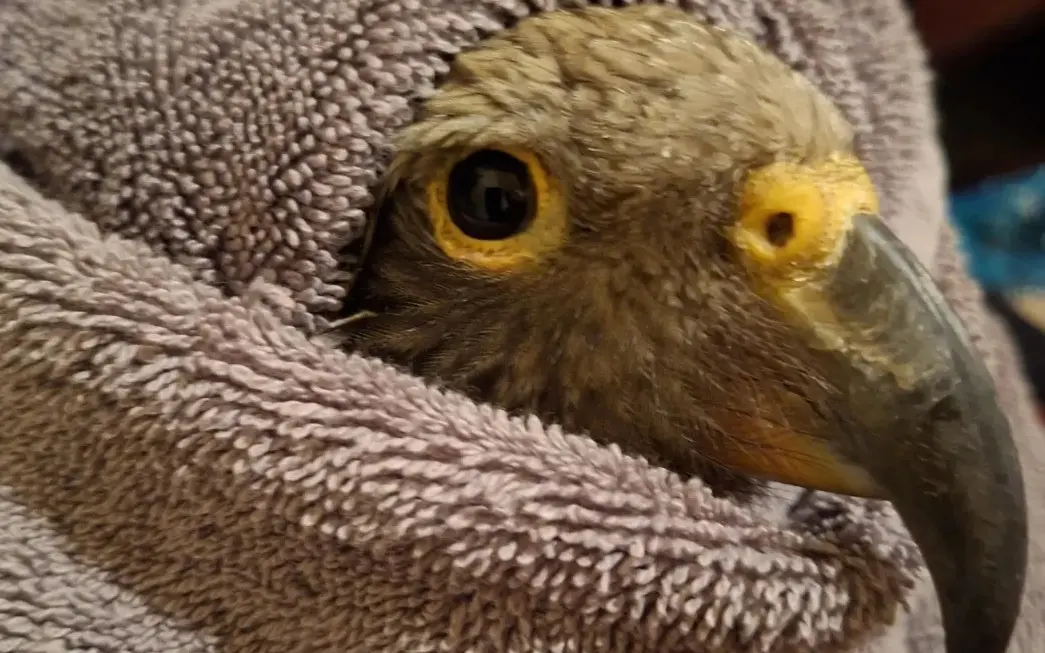
The Department of Conservation (Doc) wants to find the person who intentionally shot a young kea in Golden Bay.
The injured kea was found last week in Motupipi, near Tākaka, after a local reported seeing it.
It was one of two juveniles seen together in the past month.
Doc Tākaka biodiversity ranger Luke Easton said the young bird was found in a bad way - unable to fly, stressed, in a lot of pain and afraid.
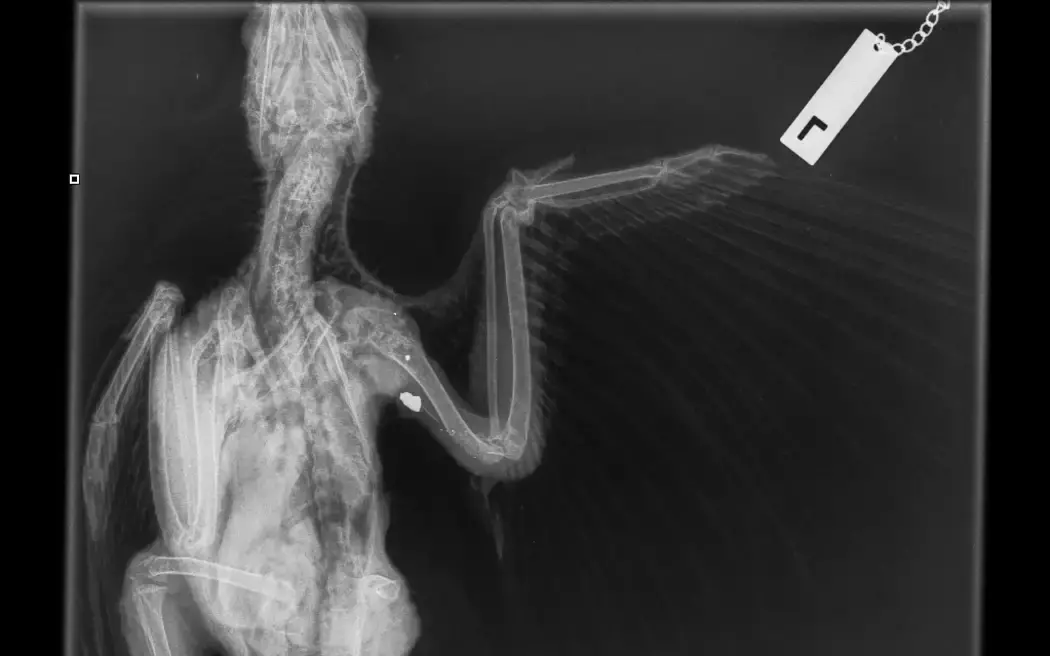
"Its left wing was drooping and there was an open gunshot wound which looked a few days old. We knew there was serious damage and broken bones. It was really upsetting to see," Easton said.
It was taken to a local vet and x-rays showed the bullet was still lodged in its wing.
It was transferred to Wildbase Hospital at Massey University but its injuries were too severe and it was euthanised to stop its suffering.
"This is a tragic outcome and we want to know who has shot this bird," Easton said.
It was not the first time kea had been shot in Golden Bay, and a juvenile was found with a shattered leg bone in Ligar Bay last February.
It received treatment at Wildbase Hospital and was released into the Cobb Valley area five months later.
The endangered native parrots are one of the most intelligent birds in the world.
They are a protected species found in the mountain ranges of the South Island.
Easton said kea numbers were steadily increasing in Golden Bay and people were having to learn to live alongside the inquisitive birds.
"We're lucky to see these charismatic birds popping up in coastal Golden Bay and, as their numbers rise, we'll see them in backyards more often so we need to learn to live alongside them," he said.
"We don't want to see conflict between kea and people like what has happened here."
People could take action by reducing stimulus for kea and removing any lead roofing nails, which kea enjoyed the taste of but were poisonous to the birds.
"The big one is to make sure there's no food available to them, this includes pet food or unsecured compost and rubbish bins," Easton said.
"One taste of food can change their behaviour long-term. Instead of foraging in the wild like they should be, they may start hanging around people and scrounging for food.
"It's important to secure loose items like shoes, bikes, toys and tools which kea may want to play with especially during their most active times like dawn and dusk."
Harming protected wildlife was unacceptable and illegal, Easton said.
Anyone having trouble with kea on their property should get in touch with the Kea Conservation Trust or the local Doc office for help.
Anyone with information about the kea in Motupipi should call 0800 DOC HOT (0800 362 468) and quote CLE-11977.
This story was first published on rnz.co.nz |  |