
PHOTO
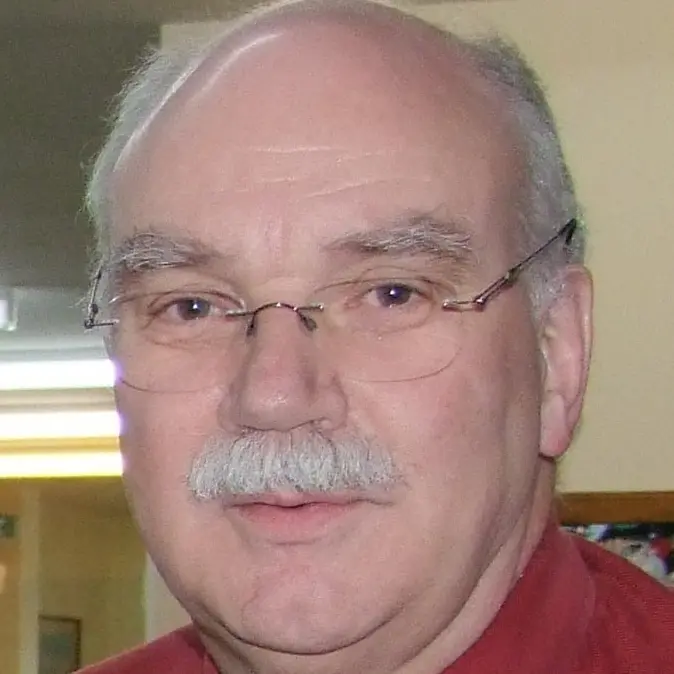
Aggressive drunks are making women doctors reluctant to work after hours in rural areas, Balclutha general practitioner Dr Branko Sijnja says.
He told the Otago and Southland district health boards community and public health advisory committee meeting yesterday this was one of the factors affecting recruitment to rural general practice as more women entered the medical workforce.
His comments came in a discussion prompted by regional community services clinical adviser Dr Roy Morris, who asked whether the committee, in its public health role, should enter into the debate about alcohol issues.
Speaking after the meeting, Dunedin Hospital emergency department consultant John Chambers said the extension of opening hours for licensed outlets meant that the department was busy all night, particularly at weekends when it was " completely crazy".
It appeared increased drinking in public places was causing more violence between people who did not know each other.
This had been a definite change during his 16 years in Dunedin, and he felt extended hours for bars were more problematic than the lowering of the drinking age.
He would like to see bars closed by 2am, and believes it would lower the number of people injured in random fights.
The department does not keep statistics on the number of alcohol-related cases.
Dr Chambers said there were few cases where people attended purely because of intoxication, although there was "an awful lot" of people who had cuts and bruises and other injuries where alcohol had been a factor.
Violence towards staff was not such an issue as it might be in smaller centres because the hospital had security staff.
However, staff did have to deal with verbal abuse, "general revelry" and a lack of co-operation from intoxicated patients.
Committee member Katie O'Connor said a recent Southland board report showing an increase in violent incidents in the emergency department linked almost all to alcohol use.
Dr Morris said there had been a history of people going to the University of Otago to learn how to drink.
The issues involved the whole of society, and he asked whether there should be wider debate on all aspects.
Dr Morris asked if attention should be paid to whether diversion for young people committing alcohol-related offences was a good thing and whether it was being applied evenly.
Committee chairman Errol Millar said he had had the "unfortunate experience" visiting a business in George St the morning after the toga parade, and he had "just about disowned the fact I was a graduate of the University of Otago" when he saw the aftermath.
Dr Sijnja said if the committee wanted the board to take a stance it would need to back it up with hard facts on the impact it had on health services, rather than relying on anecdotal information.
Committee member Peter Barron asked whether gathering data as suggested by Dr Sijnja would be an efficient use of staff time, as it would just be duplicating information at a local level which was well known nationally and internationally.
Mrs O'Connor suggested that the boards, perhaps through Public Health South, could lead a forum which would allow all those involved in the issue in the community to share information and debate the issues.
Committee member Helen Algar said there was much happening in small towns around the issues and it was important not to replicate that.
Committee member Fiona McArthur said although it was a national issue it was important to look at it locally and consider what was being done in places such as Queenstown, where a variety of groups, including Public Health South, were looking at ways of influencing what happened in the community.
Mr Millar said the committee was recording its concern about the issues and its interest in being involved in the wider community debate.
Whether the committee eventually made recommendations to the respective boards on the matter would depend on "where that goes".