
PHOTO
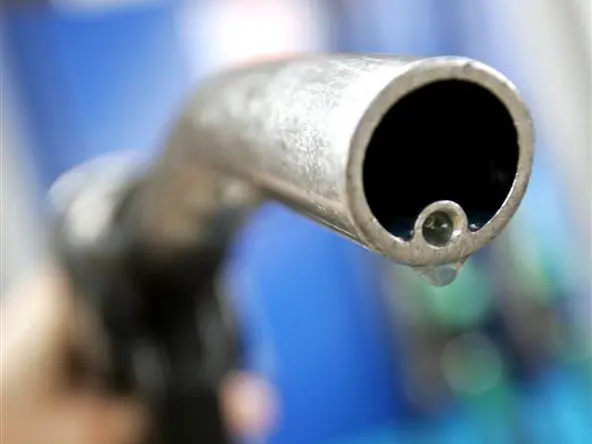
The Commerce Commission has avoided the emotive language used by Prime Minister Jacinda Ardern when she said consumers were being "fleeced" on petrol prices. But the commission, in its draft report this week, said Otago and the South Island had been shouldering "unreasonably high" fuel prices at the pump, and all retailers were receiving excessive returns.
For the often circumspect commission, this is strong language.
It also complained of the unfairness and confusing nature of discount schemes and the way it gave a false impression of serious competition. It noted many margins for "premium" grade petrol were over the top and had risen unreasonably.
The big three - BP, Z Energy and Mobil - controlled 90% of the wholesale market and the wholesale infrastructure, and smaller outlets were forced into restrictive contracts.
Service station chains recouped margins lost in high-competition places like Auckland, which has a 10c a litre fuel tax, by lifting them in low-competition places like the South Island.
The comments will surprise hardly anyone. It has been obvious for years that parts of the country have been ripped off.
Gull, with a Tauranga terminal, has stirred up the market in some areas, and is a genuine rival. But the big three just lower their prices as necessary in those areas.
All the small outlets, save Gull, have to buy their petrol through the major companies. The smaller outlets can trim their overheads and services but have little other room to move.
Clearly, the wholesale market has to be broken open. If the companies themselves cannot or will not do that within a limited time, the Commerce Commission must force change.
But how and when might this happen? It is up to the experts to find a way or motorists and businesses will continue to pay too much. New Zealanders are the poorer for the failure here of genuine competition.
New Zealand's small size is a hindrance, and fuel pricing is not alone in market failures. But change must take place.
Consumers are rightly sceptical about action. Successive ministers and Opposition politicians have huffed and puffed about the obvious unfairness, yet little has been done. No doubt, despite Ms Ardern's comments, the oil companies will endeavour to appear co-operative while obfuscating and delaying. That is in their interests. No doubt, it will be difficult "to fix" the market.
The effects of minimal competition are illustrated at local levels. When a discount retailer opens somewhere, even in the South, nearby chain service stations will respond if they feel they must. A little further up the road, little changes.
Wanaka, meanwhile, remains an archetypal illustration of duopoly pricing. The cost from Dunedin or Invercargill to Cromwell usually increases for regular petrol by about 4c a litre at the big stations. This seems reasonable given tanker costs. But they then leap by what can be a whopping margin at the two dominant and prominent stations in Wanaka. On Thursday, the headline 91 octane prices in Cromwell were 225.9c a litre. Yesterday, prices in Wanaka were 239.9c a litre at BP and 244.9c at Caltex.
Another option, on the road to the refuse station, these days offers significantly cheaper petrol (self-service). The locals might know this but most visitors are stung by the fat margins.
While it is a shame the South is so far from Gull's Tauranga terminal, the company's plans to open an outlet at Maheno next month are welcome. That might also lead to slightly cheaper prices in Oamaru. But, given the record of the big three companies, the impact is likely to be as localised as they can get away with.
It seems that, for all the ongoing outrage, the South's motorists will continue to be exploited. The time for action rather than just talk is long overdue.