
PHOTO
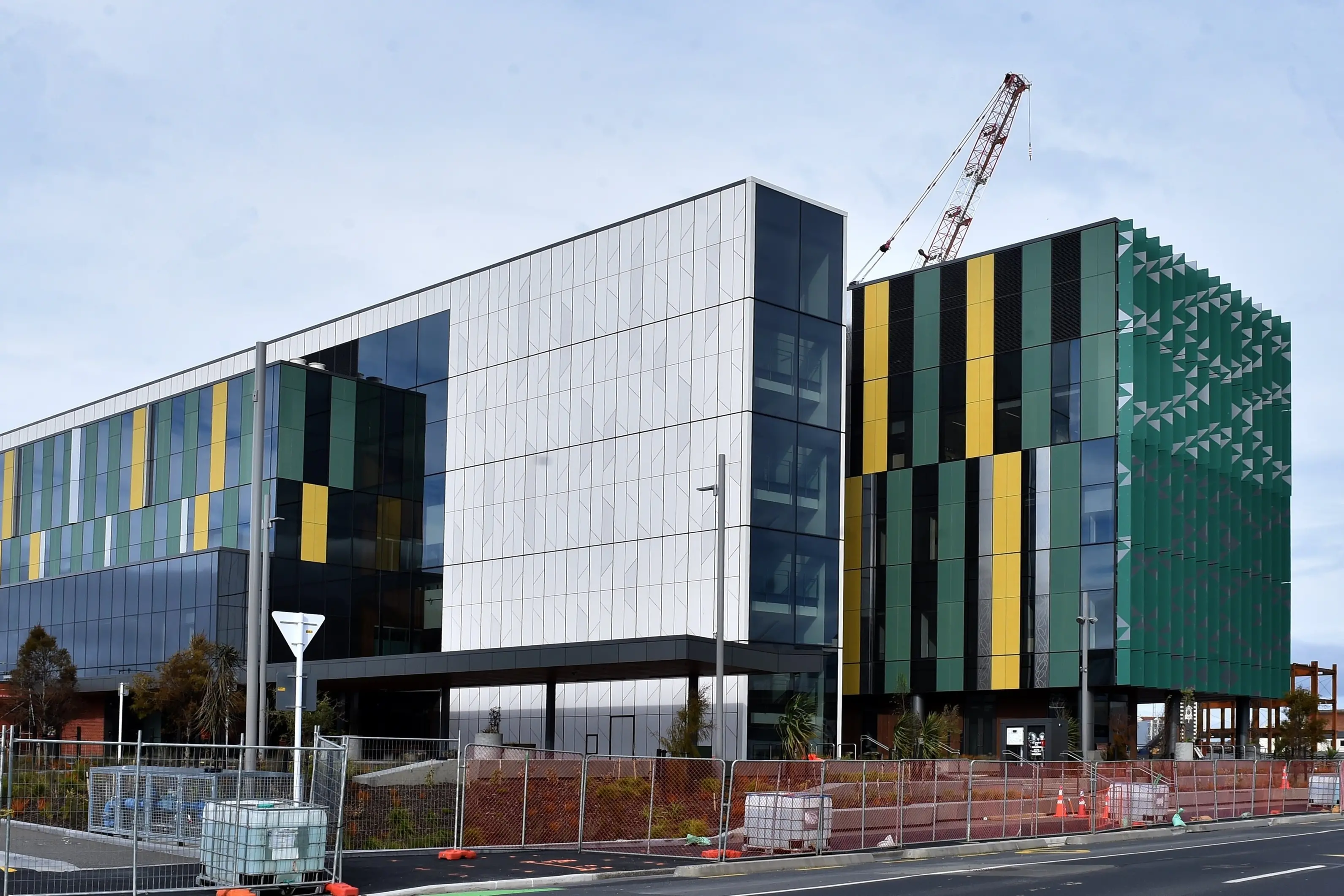
The new Outpatient building opens later this month, several years behind schedule. Why the delay?
Several factors conspired. A hopeless governance structure tops the list.
The Southern Partnership Group [SPG] that I chaired was instructed by Cabinet to take the major decisions but officials, especially health officials, second guessed us all the way, because they were each answerable to their own Minister.
As an example, it took the SPG two months of analysis to decide the city blocks where the hospital had to be situated yet it took officials another three months to process the necessary Cabinet paper. We couldn’t buy Cadbury’s till they were done.
The solution is to have one only governance structure, no matter who heads it and no matter who sits on it, that reports directly to named Ministers.
A second factor was, sadly, official incompetence.
I have had a lot to do with public servants, and they include some very fine Kiwis. I am reluctant to criticise them.
But these officials were out of their depth. They had had very little experience in building hospitals during the John Key years because hardly any were built. The exception was Christchurch, post-quake, but the top official who drove that project was sacked subsequently. I don’t know why.
By contrast during the Helen Clark years, when Annette King was Health Minister and then me, a steady hospital construction programme from Kaitaia to Invercargill ensured competence, and therefore confidence, was maintained.
Incompetence manifests in many ways but the main one is a lack of confidence leading directly to delay. Indecision, review, and relitigating piled up.
Trying to govern was like dancing with smoke. Health officials sacked one another to an absurd extent.
A low trust environment prevailed. That is inefficient.
For example, the local staff were given no financial authority to spend. None. All funding decisions, even something like a new laptop, were taken in Wellington.
More than once the project was knocked off course by a new health boss who was determined they knew it all.
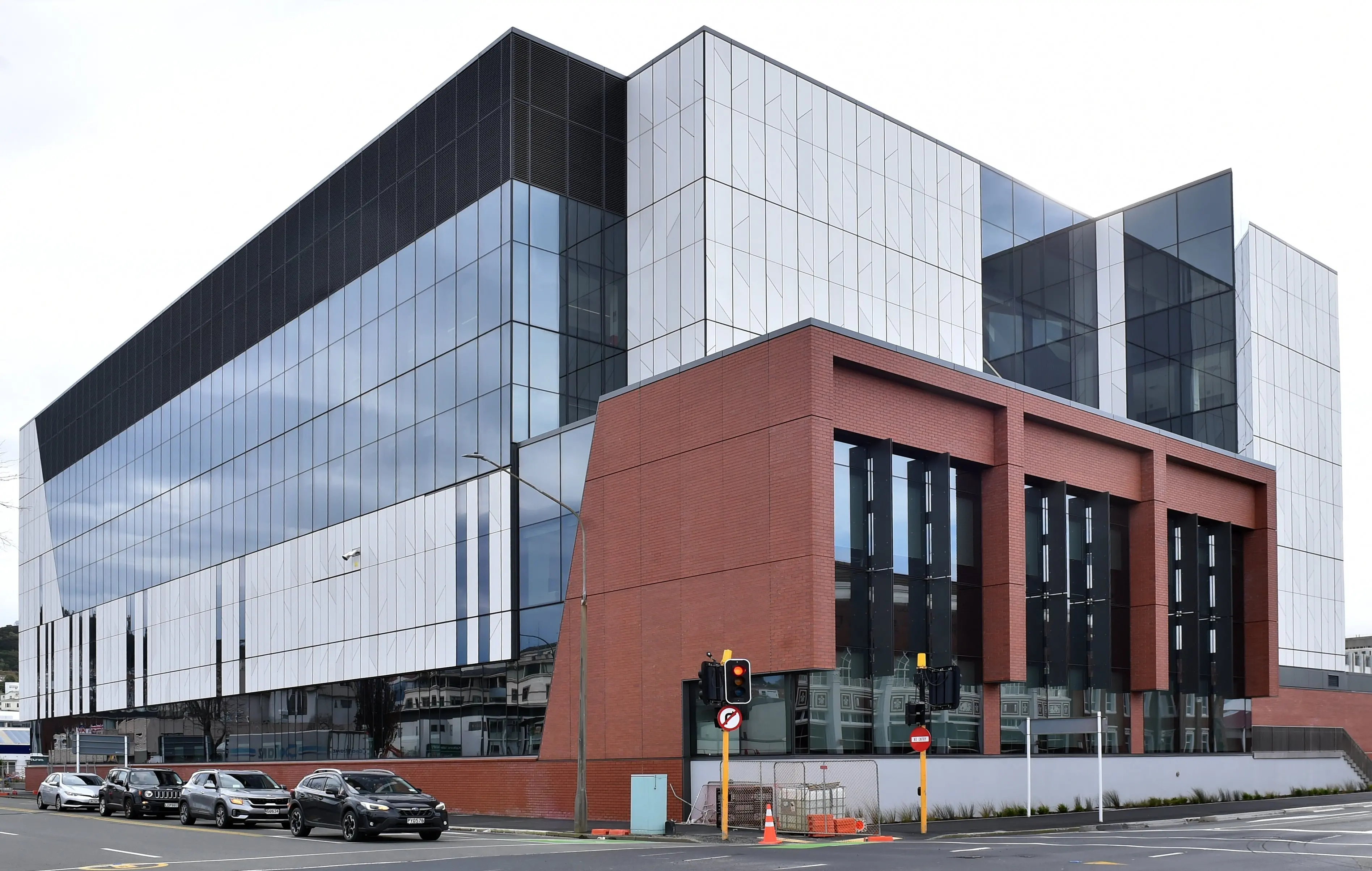
I recall one such senior health official decided to shove the Inpatient and Outpatient buildings together, on the Cadbury’s site.
She correctly surmised that she would save money, though a rather small amount, if only because one larger building needs less facade than two buildings. She blithely overlooked all the master site planning based on months of discussion and analysis in previous years.
There were some very tense meetings, but no back down. I took the issue to the Ministers of Health and Finance for resolution, and they supported me fully.
Angered, the official then instructed Ministry of Health staff to cease all communications with me. Her boss quickly put a stop to such nonsense, and the official in question has since returned offshore.
But the incident gives a glimpse into how chaotic the project had sometimes become.
Of course, things became even more chaotic much later when the current Government announced an entirely avoidable delay.
The public saw through their chicanery and half-truths: 35,000 marched in response. But none of that dismal chapter affected the Outpatient building which by then was well under construction.
How might New Zealand build hospitals in the future?
The short answer is just like New South Wales or Victoria build hospitals now.
A long-term plan is developed and made public. It might get amended over time here and there, but the bones of the plan remain intact, and the construction sector can plan accordingly.
A cadre of project and programme managers can be identified and perhaps retained by the Crown to provide reliable on-site leadership.
Clinicians can offer the latest advice on models of care or medical trends. Design modules can be used repeatedly.
For example, a surgical theatre or a ward block needn’t vary from one hospital to another. Hospitals are highly complex design tasks. Using modules reduces that complexity.
I regret I didn’t progress such an organisational structure 20 years ago when I was Minister of Health.
But I and others promoted it five years ago, supported by the then Ministers. The result is the new Infrastructure and Investment Group of Health NZ.
It is responsible for all public health asset management as well as new hospital construction. Even now it is still finding its feet and to succeed it will need reliable funding, every year.
Maybe some lessons from the new Dunedin hospital fiasco have been learned after all?
I hope the new Outpatient building is a joy for staff to work in, that the transition is smooth, and that teething troubles are few.
I hope that all of us who use it will revel in its space and the improved efficiency of its services.
- Pete Hodgson is the former chairman of the new Dunedin Hospital project. This is the second of two articles outlining the history of the project and lessons to be learned from it.