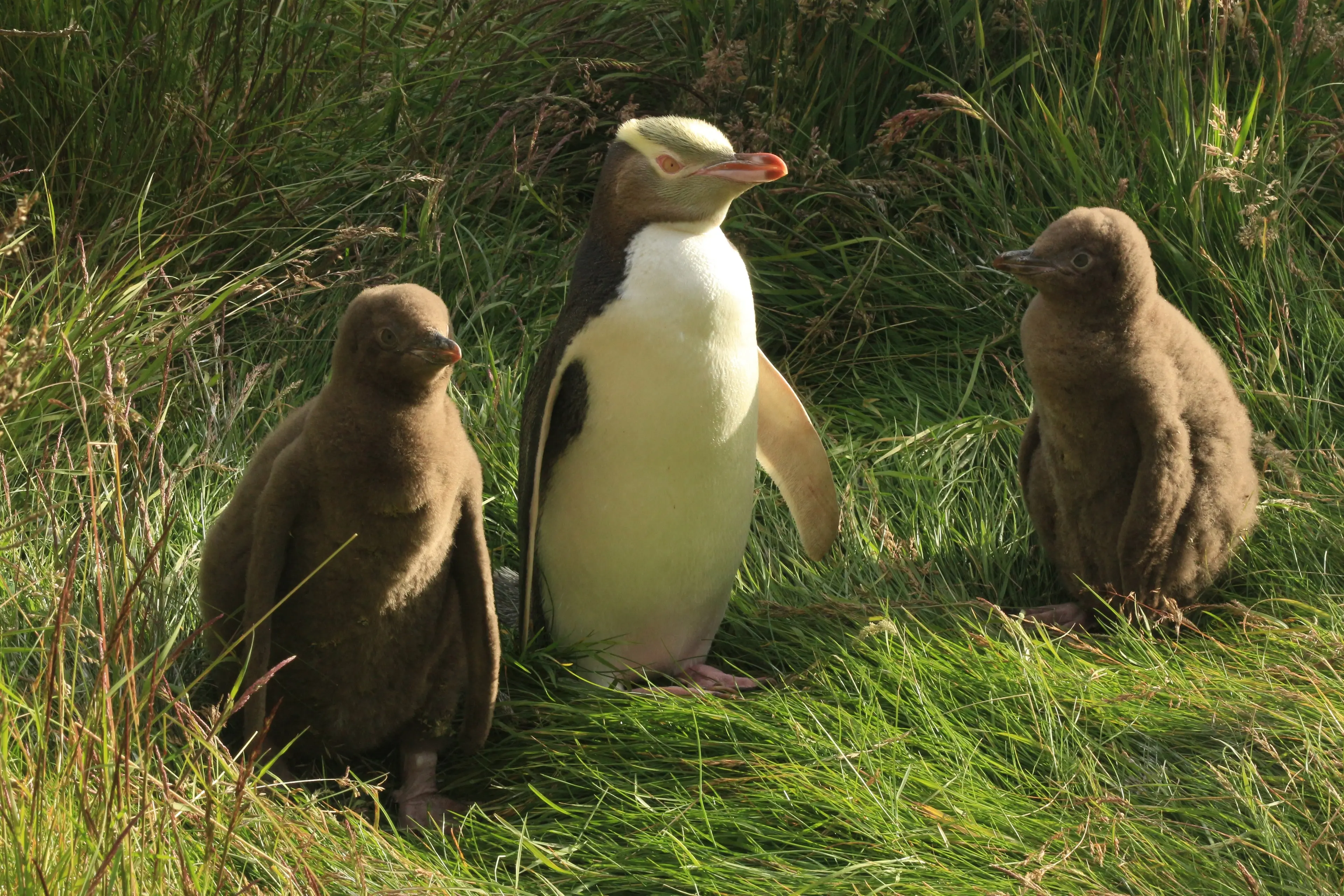
Conservationists have welcomed news the temporary ban on set-net fishing to protect endangered hoiho (yellow eyed penguins) will be permanent from mid- September. However, they have less enthusiasm for the setting of an annual limit of four for accidental fishing bycatch, saying all bycatch deaths should be avoided. The temporary ban around parts of the Otago Peninsula came into force at the end of August last year to allow for a review of scientific evidence and public consultation before deciding what would happen next. Oceans and Fisheries minister Shane Jones said a risk assessment had projected stabilising the northern hoiho population would require cutting deaths from all causes by half. The ban would achieve this goal for fisheries bycatch which Mr Jones, renowned for his support of the fishing industry, was quick to say was not the main reason the northern hoiho population was in a precarious state. He insists the accidental capture limit is not a target but a bottom line which would further incentivise fishers to do everything possible to prevent bycatch. Further restrictions would be put on fishing in the area to ensure the limit was not exceeded, Mr Jones said. The impact of fishing is only part of the problem, but researchers estimate there were 17 deaths from commercial set-net entanglements in 2022-23, mostly around the Otago Peninsula where they said risks had risen sharply since 2018-19. Projections suggest the population could stabilise if either juvenile or adult deaths are halved, but eliminating chick deaths alone would not be enough. Malnutrition, dogs, human disturbance, climate change, oil spill risk, predation and disease are among the threats they face. The northern population covering hoiho on the South Island, Banks Peninsula to the southern Catlins, Stewart Island/Rakiura and adjacent islands has declined by 65% in the last 20 years. This decline has occurred despite concerted efforts from organisations such as the Yellow-eyed Penguin Trust Te Tautiaki Hoiho, the Wildlife Hospital, Penguin Rescue and Penguin Place. The dire situation of the birds was put bluntly by Yellow-eyed Penguin Trust general manager Norcombe Barker when he said functional extinction could be only a few years away for the hoiho, even with the measures announced by Mr Jones. It is no surprise there has been consternation from some commercial fishers about the ban. They say their livelihood is at stake and there is some concern some lower risk areas have been included in the banned set-net area. This situation illustrates the tension that exists when commercial ventures come up against conservation measures. It raises questions about whether we are often far too slow to act on all fronts to protect our environment and the creatures within it and whether acting earlier would be better for commerce and the environment in the long term. There is often talk from politicians about the need for balancing economic benefits and conservation, but less discussion about what that balance looks like. Mr Jones is frequently disposed to economic growth hyperbole, with his drill baby drill mentality and the view humans should not be playing second fiddle to Freddy the frog, so his stance on this has been a small step in the other direction. It may also be a nod to the fact hoiho does have an economic value as a beloved part of our eco-tourism industry. Whether in this instance this action is too little too late has yet to be determined. It would be sad if future generations might only know of this feisty little bird because it features on the $5 note. Thrilling run We are bound to see many repeat showings of Zoe Hobbs’ stunning gold-medal winning 100m race at the Commonwealth Games in Glasgow yesterday. Since it was a national and Oceania record-breaking 10.93 seconds long, we are unlikely to tire of it. It is the first time a New Zealander has won this event, and that she did it with such precision and class makes it all the sweeter. We can all be grateful she took no notice of advice she should do other events because the 100m was too hard and she would never make a sprinter.