
PHOTO
2026 has been a year of 150ths for Ōtepoti Dunedin.
Last week I attended the formal opening of a colourful and engaging exhibition in Otago University Library’s de Beer Gallery: A-Z: 150 Years of Teacher Education in Otago.
It is one of a suite of projects and events to mark a significant milestone in early childhood, primary and secondary initial teacher education here: including the launch of a digital archive – Whāia te mātauranga – telling the stories of Māori & Pacific college alumni, and a seminar series.
The culmination will be the gathering of nearly 150 people on campus over the weekend of October 16-18. All of these are shaped by a guiding whakataukī: Hoki whakamuri, kia anga whakamua – Look to the past to forge the future.
Formal New Zealand teacher education began here in 1876, in Moray Pl within the new Dunedin Normal School – the first of the model schools adapted from overseas that included formal teacher training programmes.
Colonisation, rapid settler population growth, teacher shortages and Scottish educational imperatives were all part of the mix.
Since 1876, at least 25,000 students and 1000 staff have passed through various forms of teacher education in Dunedin and in Waihōpai Invercargill.
Our family has been widely involved. To date at least 19 were students from 1884 through to 2002 and four have been staff at various times. This included Edward Pinder, our great grandfather, who was a student and later Training College principal (1913-23).
I am the only teacher in the family who is not a graduate (keep it quiet, I went to Christchurch).
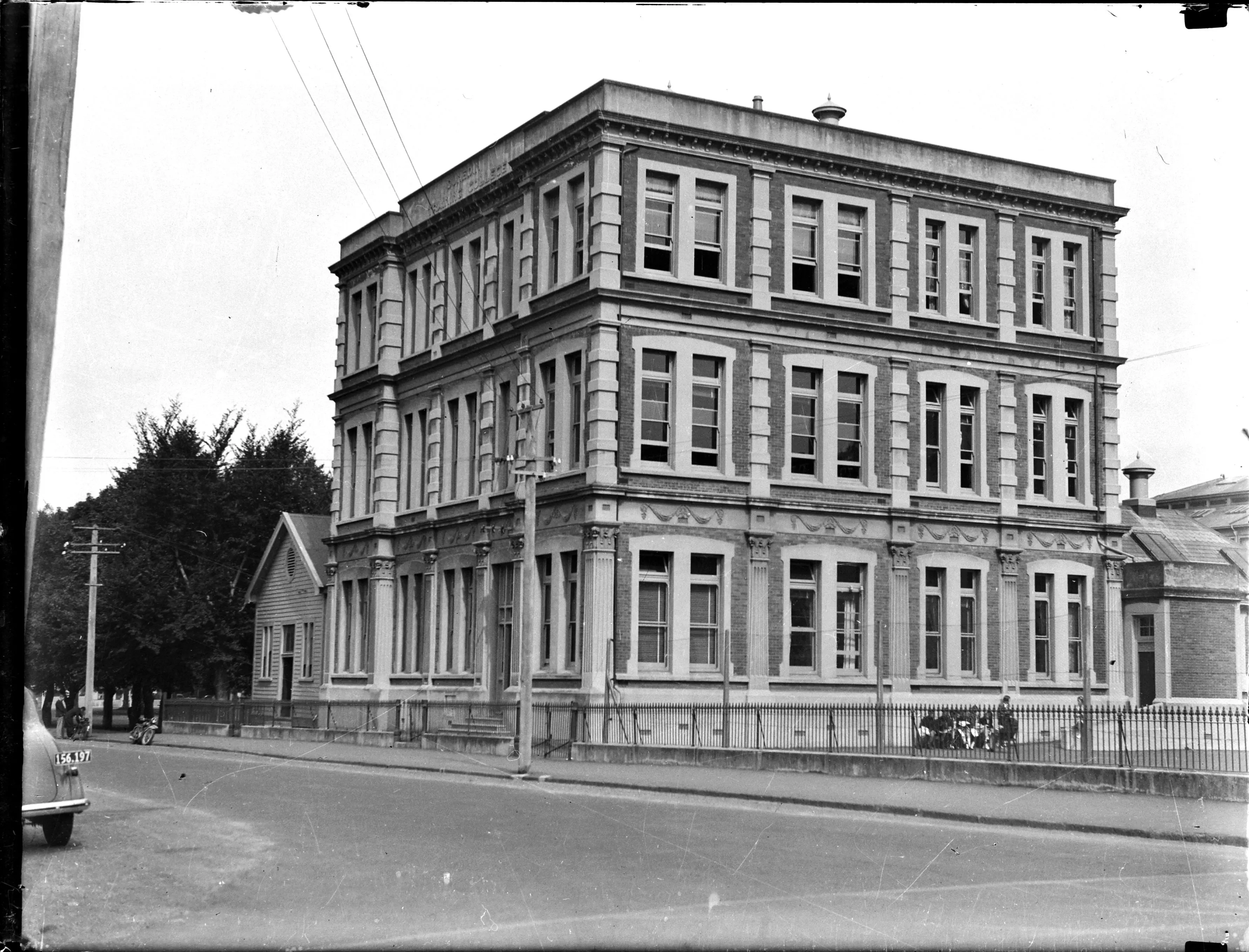
Over the intervening 150 years nothing has stood still. Locations changed in response to context and needs: to Cumberland/Union St in 1909 and then to its current site in Union St by 1939.
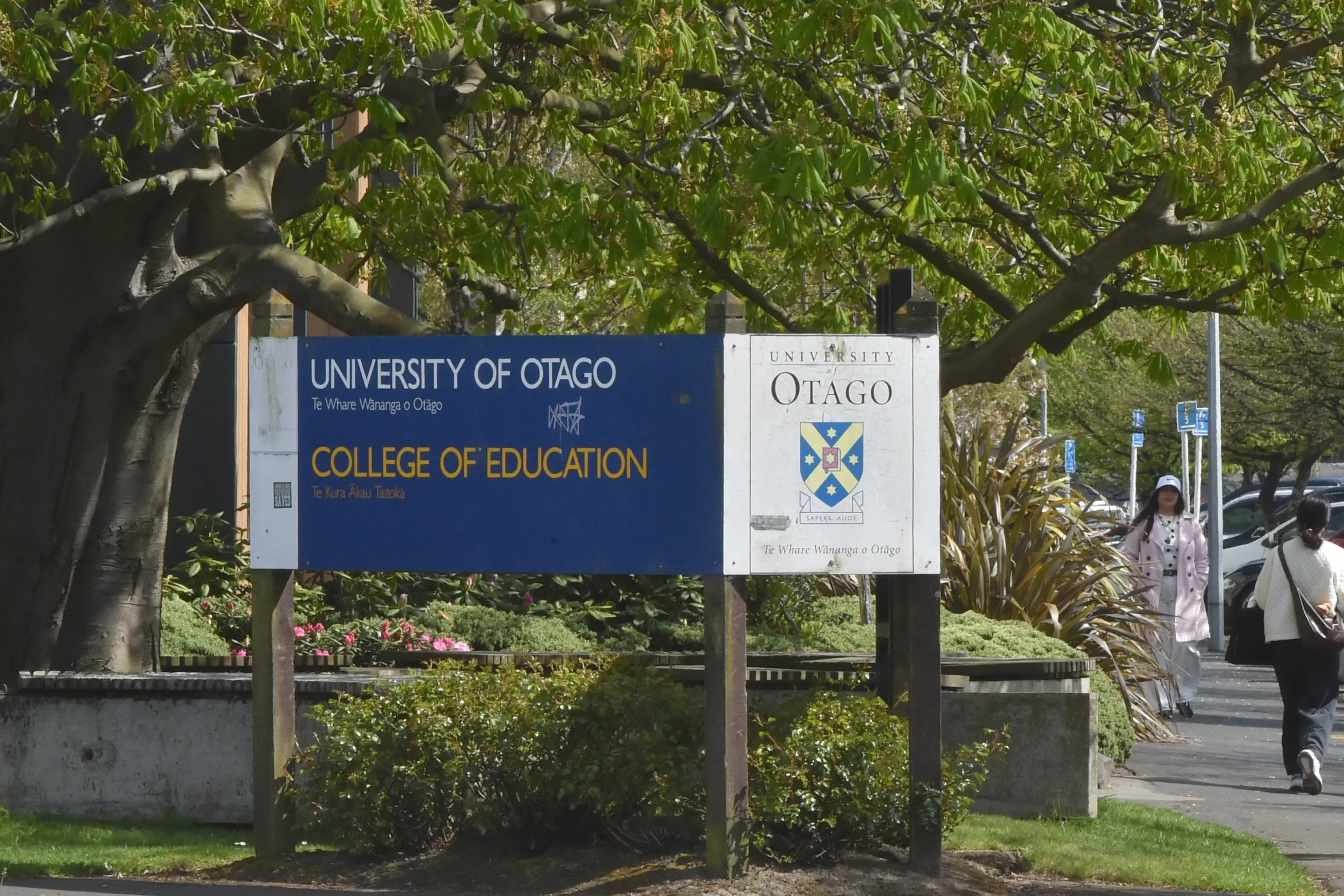
The name changed over the years from "training department” to “Dunedin Training College”, “Dunedin Teachers College”, “Dunedin College of Education” and, following its merger with the university in 2007, to Te Kura Ākau Taitoka University of Otago College of Education.
It shut down twice — briefly in the 1890s and for three years during the Great Depression – and in 1968 was largely demolished by fire, rebuilt as the buildings we now have on the same site.
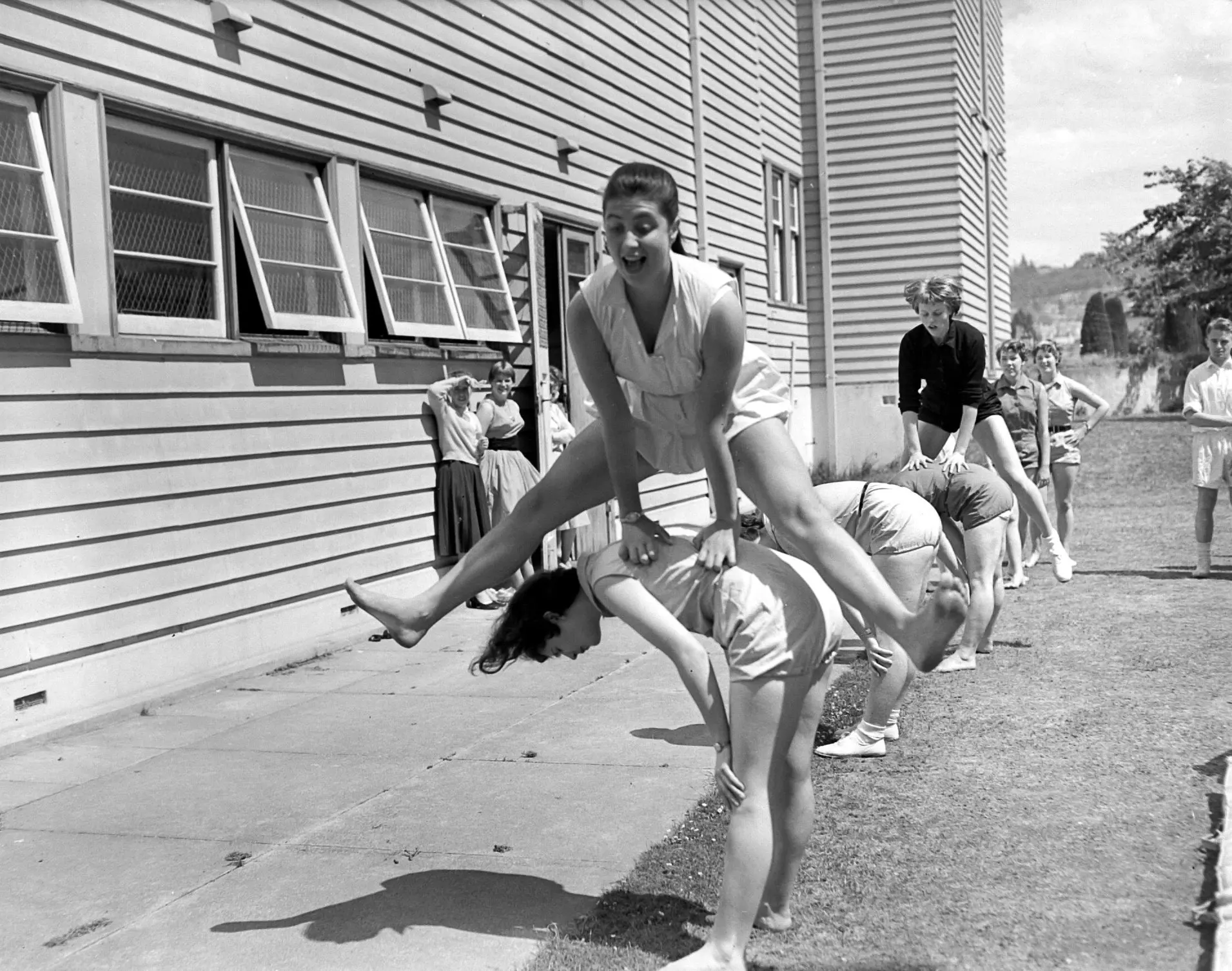
Post-WW2 pressure cooker courses responded to population growth and economic buoyancy. Among many other developments, a second campus was established in Invercargill in 1980 and new qualifications offered in bilingual and early childhood education.
Neo liberal reconfigurations of education as a marketplace complicated the landscape from the 1990s, with two parallel providers in Dunedin alone alongside dozens of teacher education providers nationwide by 2000.
Even today, with rationalisation, there are still 29 different institutions providing some kind of teacher education the length of the country.
This 150th moment comes in the context of ongoing, significant and controversial changes within the wider education sector. It has been a turbulent and, for many, disempowering three years.
More specifically it comes just as a formal review of teacher education is underway for the entire national sector (Review of Initial Teacher Education Programme Requirements, September 2026).
How that process will play out, and to whose advantage (or not), is unclear and its potential ramifications need to be considered carefully. As the foregoing discussion outlines, however, change is no newcomer to those engaged in teacher education.
Both more recently and longer term it has been an enduringly endemic element.
The current review is focused on "opportunities for improvement” in programme design, content and quality assurance. Perceived disparities in delivery across the various national providers and longstanding inequitable gaps in student performance are firmly in sight.
While wider consultation is now sought, maybe another function of the 150th moment is to stop and reflect in a way that might be helpful as we review the present.
What might we glimpse through the lens of the call of the 150th whakataukī ‘to look to the past to forge the future’?
The following observations, while briefly stated, might be two useful starting points for further discussion.
One is to acknowledge how colonisation, and the ways of thinking or seeing implicit to colonisation, shapes teacher education in unhelpful ways.
This is particularly pertinent in the wake of the recent Waitangi Tribunal reports, which document how recent curriculum changes obscure or simplify Māori perspectives and Aotearoa histories. Our anniversary is a timely moment to reflect on how colonial thinking has shaped institutional practices at various times through programme content choices, the use of specific teaching media, cultural and linguistic practices, and programme/linguistic exclusions.
The Whāia te mātauranga digital archive provides a rich basis for reflection on the ways we hope that our partnerships, programmes and staffing have, and can continue to, more effectively reflect and serve our communities.
At the same time, reflecting on the past might alert us to ask broader questions about how we can best serve our communities in the 21st century.
For example, there are critical needs within our centres and schools for more teachers with multilingual capability, and expertise as English language learners and teachers. There is a need to grow our local teaching workforce to more accurately reflect our increasingly diverse communities.
In this regard, the apparent "one-size-fits-all” approach of the current review may not be the only way to think.
A second observation relates to the need to think more carefully about the apparent bifurcation of “training” and “education” and its impact on how teacher education is formulated or perceived.
Shifting conceptualisations of teacher education have been both implicit and explicit in the various renamings of the Dunedin college. The current review document signals a move back to a focus on teacher education as training.
These shifts are more than linguistic; they are philosophical, ideological and pragmatic. But, the bifurcation between the two is misleading and unhelpful. Training and education are both warranted as descriptive terms and as aspirational goals.
As a student in Christchurch I benefitted equally from learning practically (for example, how to read the classroom as a physical environment or how to write straight across a board or load a film projector) and engaging academically with ideas (such as why history matters, how to understand adolescence, and through my first introduction to te ao Māori).
Beginning teachers need to be classroom ready both in their thinking and in myriad practical applications. In my view, teacher education is ideally both practical training and an academic education.
Sometimes we also need to move on from the past. As principal of the College in the early 1900s, but especially during the turbulence of World War 1, our great grandfather Edward Pinder said that the goal of the College was to train teachers who were “humble, industrious, and instructed”.
Time-specific aspirations. In facing the future, I suggest that we need different words to think about teacher education - like teachable, empathetic and relational (applied both to students and staff).
What the past does remind us, is that irrespective of the changes faced, people are at the heart of what we do in teacher education and, as such, teacher education is complex, complicated, sometimes messy but oh so important. 150 down, 150 more to go.
- Hugh Morrison is an emeritus professor in education at the University of Otago, and writes on the histories of religion and of childhood/youth.