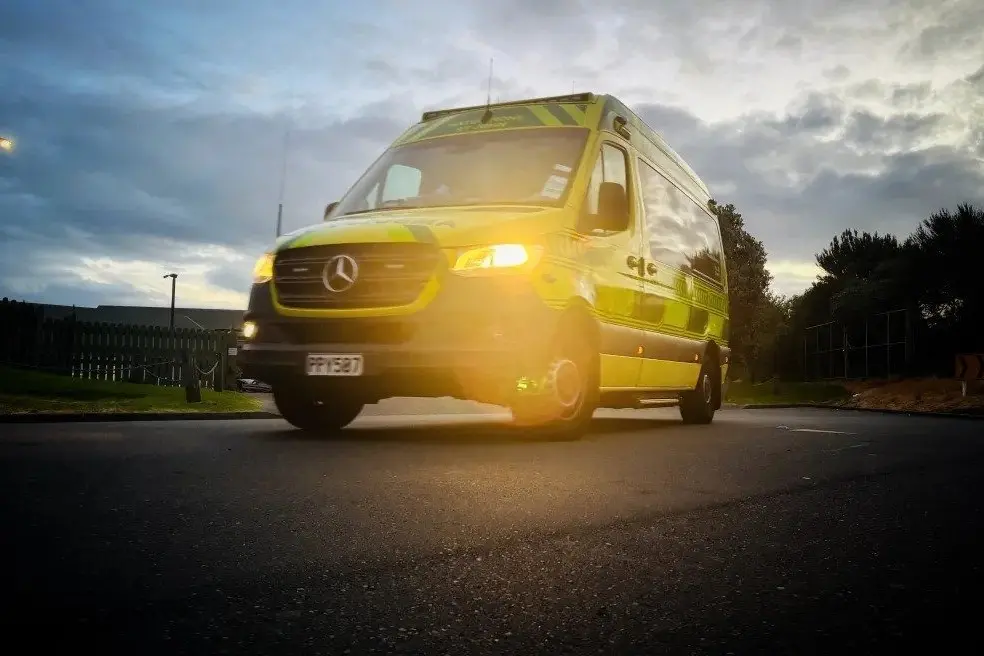
An important aspect of the human spirit is driving ourselves to achieve new and great things, to boldly go where no-one has gone before, as it were. Mountaineers, explorers, those on pilgrimages, sportspeople, academics, artists, students – anyone who is creating or conquering something, giving their utmost to a challenge, or even just doing something for the first time, is likely setting some kind of new personal record. At the recent Commonwealth Games in Glasgow, New Zealand athletes won 36 medals across a much smaller range of sports than at previous events. Among the medal winners, Zoe Hobbs set a new Oceania record of 10.93 seconds in her gold-medal winning 100m sprint final, while paracyclist Devon Briggs broke the previous Games record for the Men’s C1-C3 1000m Time Trial, setting a record with 1:05.536. It would be wonderful if all records set were positive ones. However, many new records are achieved which are far from positive and which can have serious repercussions for sizeable chunks of the community. In the past week, some of these much less desirable new records here and globally have been highlighted. Probably the one closest to home, with the potential to affect people the most seriously, has been the ambulance crisis. New Zealand’s ambulance services are always under pressure. That burden of duty becomes even more overstretched in winter, when the number of people with seasonal flus and respiratory illnesses, and those involved in accidents related to ice, snow and other bad weather, increases. For a start, New Zealand has a strange approach to providing such services. In Australia and the United Kingdom, among other countries, an ambulance service is an essential government-provided facility on the same footing as the police and fire services. Here, ambulance agencies Hate Hone St John and Wellington Free Ambulance developed out of charities and the government has never stepped in to take full control, no doubt put off by the huge expense of now doing so. There are more than 600 road ambulances across the two services, about 550 of them operated by St John. Crews recognise that August is often the busiest month for responses, with more than 50,000 incidents nationally. It has also been reported that 20% of all emergency 111 calls are for non-emergencies, with Hato Hone chief executive Peter Bradley saying those people could have waited to see their own GPs. On Sunday, as call numbers spiked, St John declared a major incident and opened its emergency operations centre to reprioritise 111 calls for the first time since the Covid-19 pandemic. Saturday was its record busiest single day, with 2562 calls logged in 24 hours, a third more than on an average day. On Sunday there were 2486 calls. Hato Hone ambulance operations director Doug Gallagher told RNZ last week’s cold snap was a major factor in demand and said one call every 20 seconds was not sustainable. The pressure on ambulance crews is already phenomenal without having to cut short breaks and change staff rosters. We hope negotiations for more funding from Health NZ will be completed soon to ensure all ambulance services are able to cope with higher peak needs. Last week’s cold snap also set records for electricity demand, with state-owned national grid operator Transpower recording, in the past fortnight, eight of its 10 highest peaks. On Wednesday morning last week, a new record was established of 7247 megawatts for national consumption. That was broken 24 hours later, with a record demand of 7415MW. The lights stayed on due to some significant juggling of load and industrial reductions, efforts which provide a compelling argument for more renewable energy and battery storage to avoid early morning winter peaks. Another record set in recent days was Contact Energy’s largest-ever net profit of $423 million to June 30, up from last year’s $331m, partly driven by increased renewable generation. While that in itself is a good thing, such a result needs to be used to quickly bring relief to thousands who are struggling to pay rising power bills. More grim news on the climate front too, with news the world’s oceans were hotter last month than in any other July in the record books. We certainly seem to be setting lots of new records these days. Just not always the right sort.