
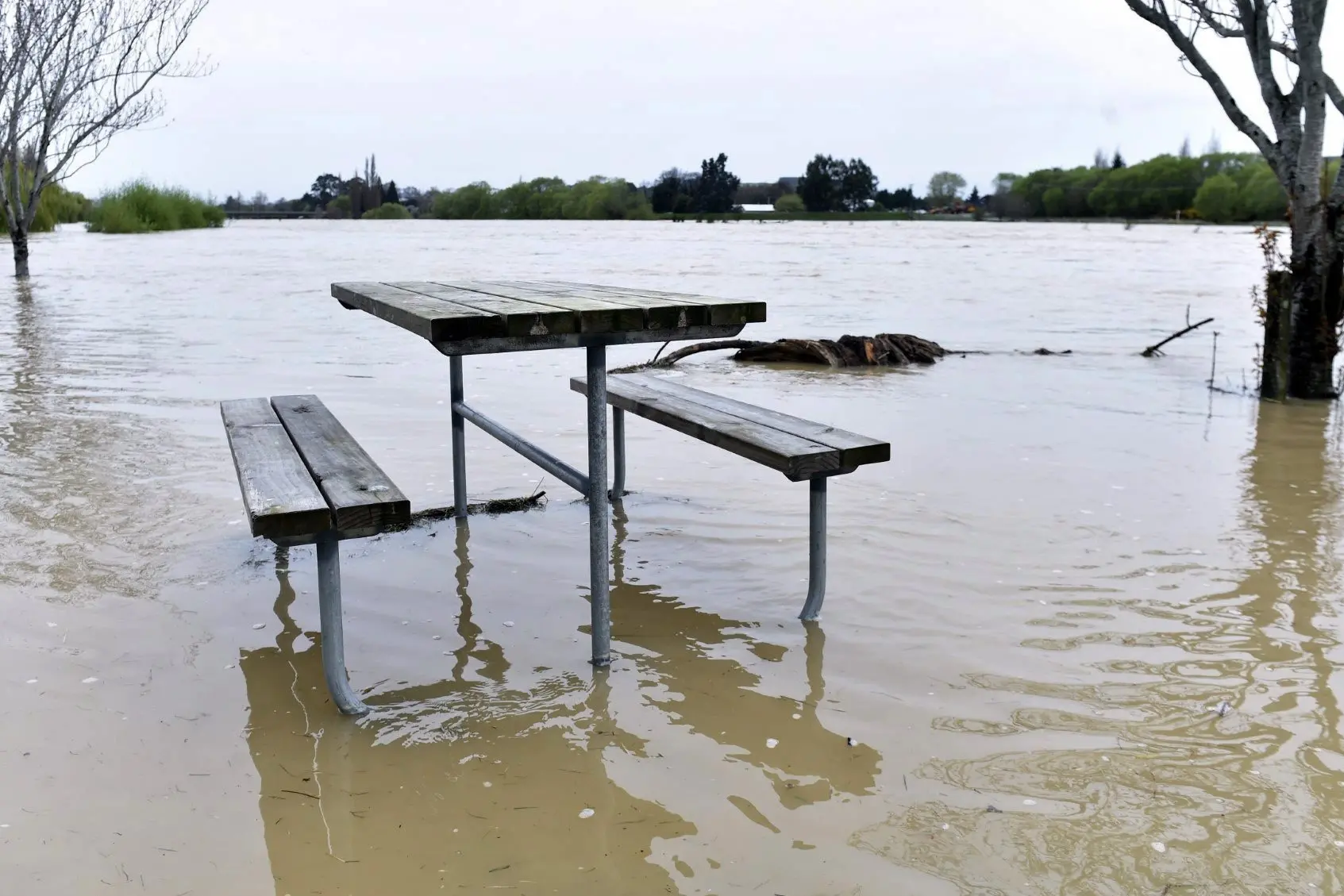
PHOTO
There’s been plenty of talk about managing flood risk in Gore, Mataura and the wider district lately, and I’m keen to hear what locals have to say about where we go to from here.
I’ve lived in the Gore area all my life. I remember the floods of 1978 and the early 1980s, so I understand why this matters to people. The flood risk for our district is real, and we all want practical action that will reduce it.
At Environment Southland, flood management is a core function.
We have specialist staff in river management, flood infrastructure, hydrology, modelling and monitoring because that’s what it takes to be across big river systems and the wider catchments.
What we do in one place can affect water levels, erosion and flood risk elsewhere, so we need to have a good understanding of those effects when making decisions.
Flood risk is more than just where the water might go.
It’s about understanding the impact on our communities and infrastructure so we can make informed decisions for the future.
As we continue to develop better information about flood risk in the Mataura River catchment, it helps guide the short-term interventions, longer-term decisions, and target immediate and the future investments needed to protect our communities.
So technical expertise is only part of the picture.
People who live alongside the river, farm in the catchment, run businesses and have experienced floods bring knowledge of their own. We need both.
In the Mataura catchment there is a considerable programme of capital works and maintenance under way on the infrastructure network across Gore, Mataura and Wyndham.
This includes flood banks, drainage networks and a spill way.
Since 2020, the catchment has been prioritised for investment in flood bank upgrades, repairs and maintenance, flood modelling, river and gravel management, monitoring and flood warning improvements and addressing channel capacity.
There’s significant investment behind all this work.
Since 2020, the Mataura catchment has benefited from $15.5 million of co-funding with central government, with a further $16.7m committed to flood-risk reduction work.
That’s substantial, and as always, we want to ensure the money is directed where it will make the biggest practical difference.
The potential for flood events in the Mataura catchment is expected to become more frequent and intense over time.
Recent upgrades have improved flood resilience in priority locations, and 2D hydraulic modelling is being used to show us where constraints are in the system.
One that really concerns me is the impact of the bridges.
At higher water levels, they put pressure on flood banks and other surrounding infrastructure with potentially serious consequences for Gore.
This is something we’ve brought to the attention of central government and we now need them around the table to get it sorted.
The wider work programme is about understanding the flood risks better and taking action across both the short and longer term.
We’re developing the Mataura Blueprint, which, put simply, is about working together with the community to build a way forward for managing flooding and its effects across the Mataura catchment over the long term.
It will help us work through what needs to happen, in what order and where future investment can make the greatest difference.
We haven’t already decided what all the answers are. There will be different options to consider, and community knowledge and experience will be a key part of that.
That’s where the involvement of people in our community becomes really important.
I want to hear what you’ve experienced, what concerns you and what you think we need to consider.
Where are the pressure points? What matters most to you? What have you learnt from living and working in the Mataura catchment and alongside the river?
And when we look to the future, what choices and trade-offs do you think we need to be talking about?
These are perspectives I want to understand better.
Local experience and knowledge is valuable and has a place alongside the technical information we need to work through to make decisions for the future.
Environment Southland will continue working constructively with the Gore District Council, Hokonui Rūnanga, Te Ao Mārama, central government, landowners, communities and other partners to get their input, too.
You can send me your thoughts in an email to the office (service@es.govt.nz), and we’ll be out and about during the summer, including at the Wyndham A&P Show in December and the Gore A&P Show in February. Drop by for a yarn, you’ll be very welcome.
I don’t expect everybody to agree, and we shouldn’t pretend there is one simple answer to managing flood risks, but I do believe we can have open, constructive conversations about the risk, the work that’s happening and what comes next.