


PHOTO
Rural communities, including those in Southland, are facing barriers when it comes to timely care for ovarian cancer, a New Zealand cancer researcher says.
The Ovarian Cancer Foundation has been putting the spotlight on ovarian cancer, one of the least survivable cancers, this month.
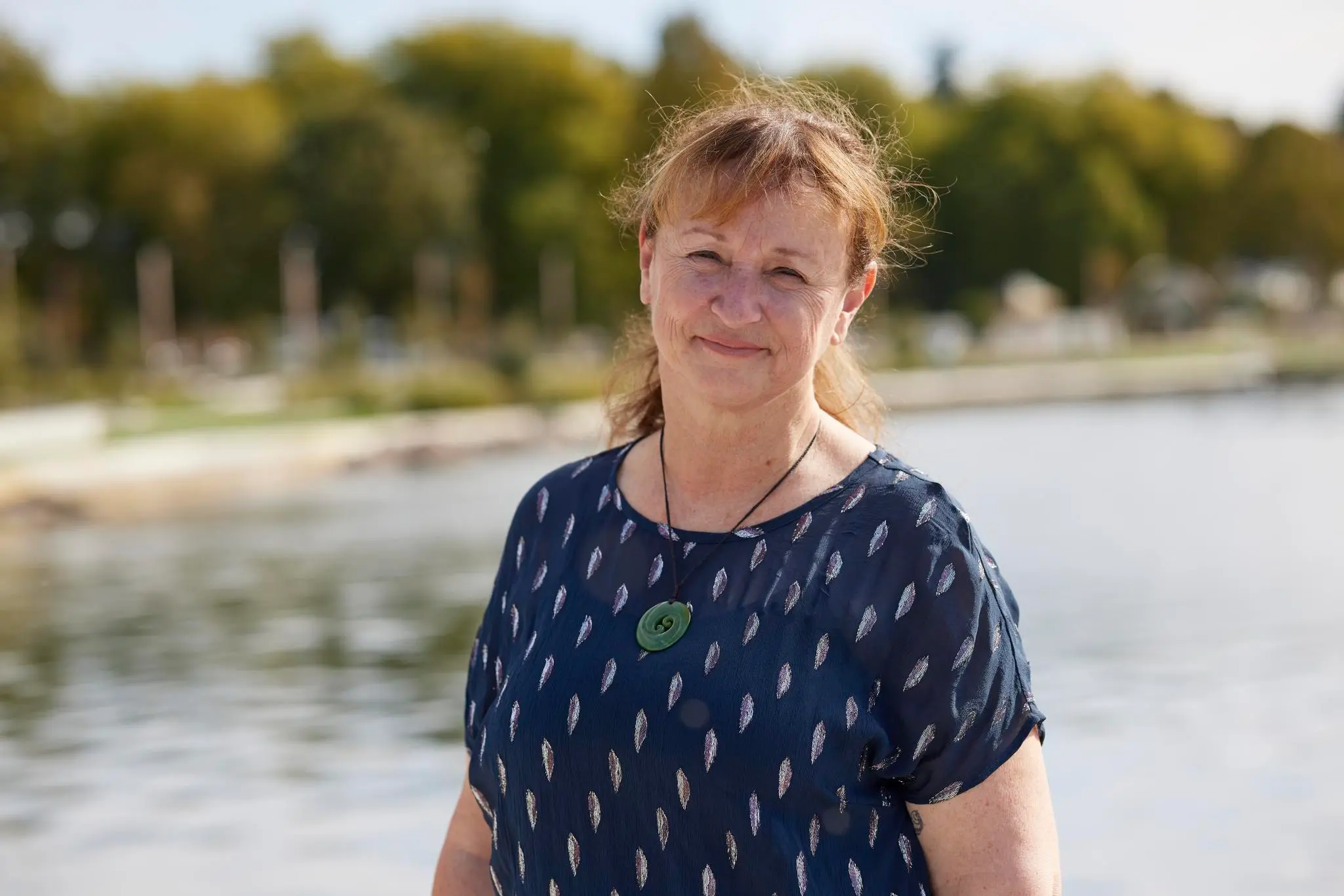
At the same time, Auckland University research fellow in molecular medicine and pathology Alicia Didsbury has highlighted the extra barriers people in rural communities have to overcome in seeking diagnosis and treatment of ovarian cancer.
Dr Didsbury has been on the board of trustees at the Ovarian Cancer Foundation of New Zealand for the past five years.
She said the additional hurdles faced by rural patients meant they must navigate complex healthcare pathways “while also managing financial and logistical burdens, all at an incredibly stressful time”.
“When we couple this with the late diagnosis and poor treatment options for ovarian cancer, the impact for our rural women, their families and support networks is significant.”
The cancer was usually diagnosed through a pelvic examination in a primary care setting, then a CA-125 blood test and an ultrasound.
In the past year, almost half of the 306 ovarian cancer cases nationally were diagnosed in emergency departments or in unplanned hospital admissions.
In the year following an emergency diagnosis, the mortality rate of the cancer doubled.
Ovarian cancer was primarily treated through platinum-based chemotherapy and surgery.
Dr Didsbury said rural people having to travel long distances to get answers was a challenge.
“If they need additional appointments, scans or referrals, the extra time and travel involved can make the diagnostic process even more difficult,” Dr Didsbury said.
She said while a lot of ovarian cancer patients responded to chemotherapy, it could be the end of the road if that treatment failed.
“Life-extending treatments are pretty light on the ground for ovarian cancer.”
“[If] you can’t remove it all with surgery or you don’t respond to chemotherapy, there’s really no options for you.”
For South Island patients, surgery would be in Christchurch and often needed multiple rounds of chemotherapy, Dr Didsbury said.
Director of the centre of rural health at the faculty of medicine at the University of Otago, Rory Miller, said health of rural communities, which most likely included Gore and Southland, was on the back foot.
“Throughout Aotearoa New Zealand, people living in rural communities experience higher rates of adverse health outcomes compared to people who live in cities,” Mr Miller said.
“At the same time, people in these communities have lower rates of secondary healthcare use.”

Secondary healthcare included hospital admission, treatments, advanced diagnostic tests or computed tomography (CT) scans, and outpatient appointments, Mr Miller said.
Awareness around ovarian cancer was encouraged through the Ovarian Cancer Foundation’s annual major fundraising campaign, Frocktober, this month.
The campaign encouraged people to wear dresses and host events to raise funds for the Ovarian Cancer Foundation.
Ovarian Cancer Foundation chief executive and lived experience lead Liz Pennington said reaching rural communities was important.
“We are intentional about recognising this issue and how important it is to support women living and working rurally,” Ms Pennington said.
“Fundraising for research can literally save lives.”
The foundation partnered with groups, which included Soroptimist International of Aotearoa New Zealand (SIANZ), which spread awareness of the ovarian cancer in rural areas.
Soroptimist International of Gore president Anne Gover said the organisation supported the cause through their fundraising initiative, Heal the Teal.
“New Zealand Soroptimists are recognised as the main group that’s supporting ovarian cancer research,” Mrs Gover said.

This month, Soroptimist International of Gore had tea towels on display with information regarding their ovarian cancer initiative, in Gore businesses Collective Design, The Merino Story, Apt Collections and Caroline Eve.
Since May 2022, Soroptimist International clubs around New Zealand had raised more than $25,000 toward ovarian cancer awareness, research and support.
Common symptoms of ovarian cancer included bloating, loss of appetite, abdominal, pelvic, or back pain, frequent or urgent urination, changes in bowel movements and fatigue.
If symptoms persisted for more than a month, medical attention should be sought, Ms Pennington said.
From 2019 to 2023, there were 105 ovarian cancer registrations in the Southern district health area.
In 2023, there were 8.4 new cancer registrations per 100,000 females in the Southern health district, Dr Didsbury said.
The Ovarian Cancer Foundation funded research, offered support services to patients and whānau, ran awareness campaigns, met with ministers and had released their 2025 State of Ovarian Cancer Report Aotearoa New Zealand, in February.