
PHOTO
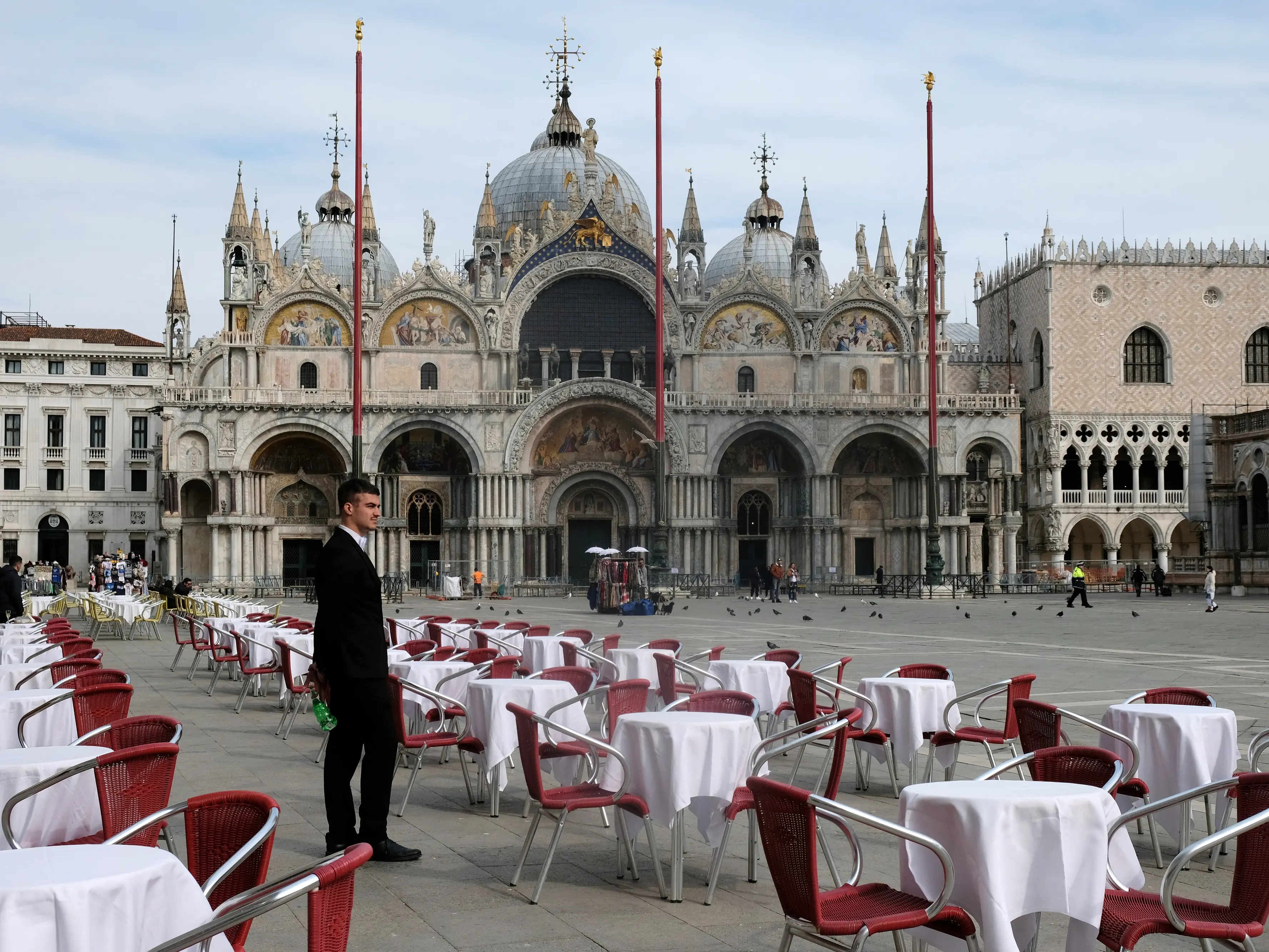
All of Italy is to go into lockdown Prime Minister Giuseppe Conte has announced, in an unprecedented clampdown aimed at beating the coronavirus in Europe's worst-affected country.
Conte told reporters on Monday that measures introduced just two days ago in much of the north were no longer sufficient after a jump in deaths tied to the highly infectious disease, and said the entire nation had to make sacrifices to stop its spread.
"The right decision today is to stay at home. Our future and the future of Italy is in our hands. These hands have to be more responsible today than ever before," he said.
Italy's 60 million people will only be able to travel for work, medical reasons or emergencies until April 3. All schools and universities, which were closed nationwide last week until March 15, will now not reopen before next month. The decree includes the islands of Sicily and Sardinia.
The contagion only came to light near Italy's financial capital Milan on February 21. Since then there have been 9172 confirmed cases and 463 deaths, putting the national health system under massive strain.
Conte said any public gatherings, including in the open air, would be forbidden and announced that all sports events, including top flight Serie A football matches, would be suspended.
Deaths in Milan's Lombardy region - which had already been on lockdown with cinemas, theatres and museums closed and restaurant hours restricted - jumped 25% in a day to 333.
Globally, about 110,000 people have contracted coronavirus and 3900 have died - the vast majority in mainland China, where the disease originated.
CONTE'S DECREE
The decree says people should only move around for reasons of work, for health needs or for emergencies. Public transport will remain operational, but Conte told reporters he wanted as many people as possible to stay at home.
People who do want to travel will need to fill in a document explaining their reasons for doing so and carry it with them. If they are found to have lied they face possible fines or jail terms.
Anyone with a fever above 37.5degC or anyone who has tested positive for coronavirus must stay at home.
Leave for health workers has been cancelled. Those accompanying patients to A&E units are not allowed to stay with them in the waiting rooms without specific permission.
Bars and restaurants can only open from 6am to 6pm and only on condition they can guarantee customers are at least one metre (one yard) apart. Businesses will be closed if the rules are not respected.
Shops can remain open but only if they can guarantee the one-metre safety distance for customers. Big and mid-sized shopping centres have to close at the weekend. Food stores are allowed to remain open at all hours.
WHO WELCOMES MEASURES
"Now that the virus has a foothold in so many countries, the threat of a pandemic has become very real," World Health Organisation director-general Tedros Adhanom Ghebreyesus told a media conference.
But he welcomed Italy's tough measures, noting that just four countries - China, South Korea, Italy and Iran - accounted for 93% of cases worldwide. Israel ordered anyone entering the country to self-quarantine for 14-days on Monday.
"It would be the first pandemic that could be controlled," Tedros added. "The bottom line is we are not at the mercy of the virus."
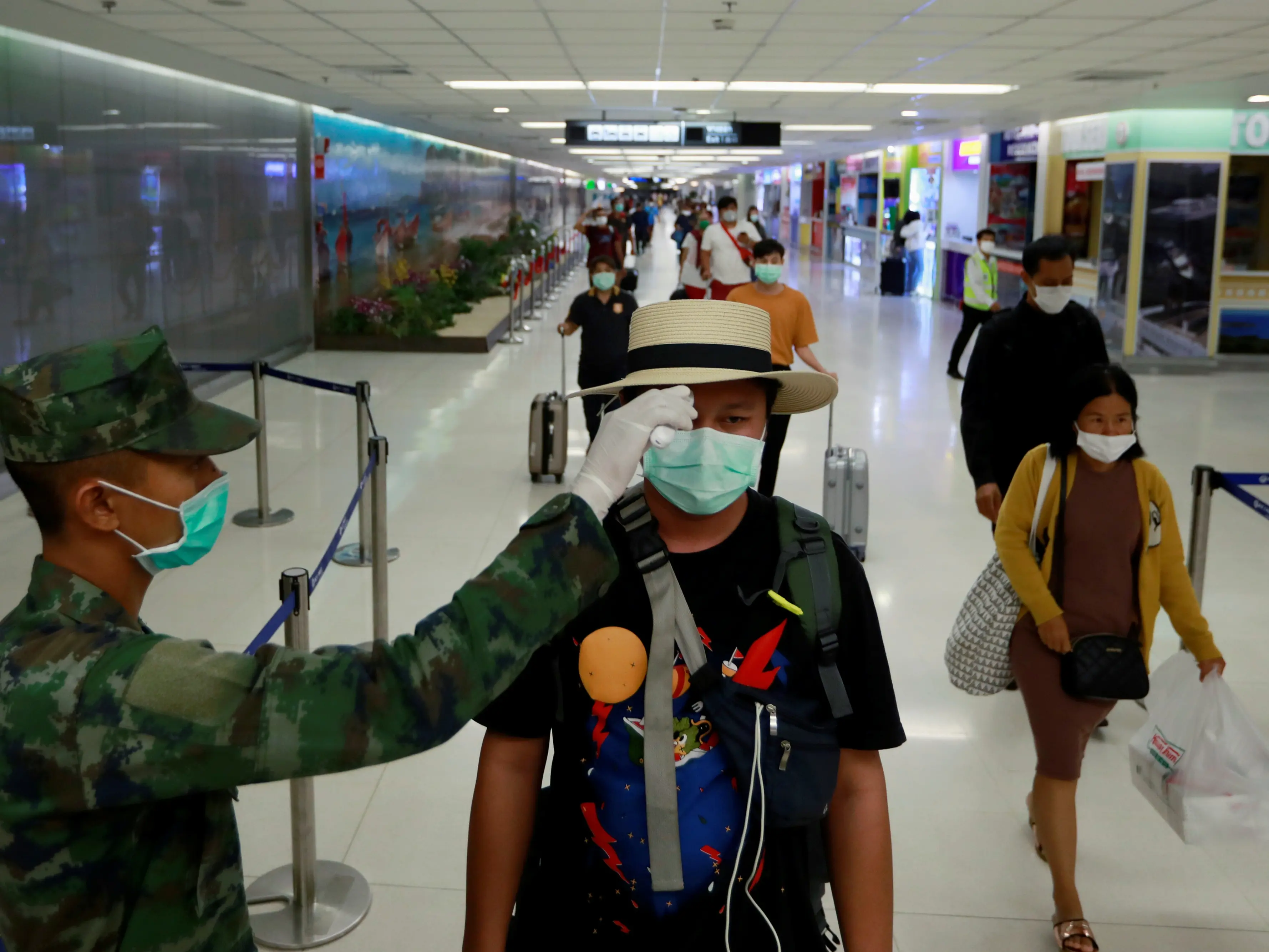
Major European stock markets dived more than 7%, Japanese indexes fell over 5% and U.S. markets sank over 7% after Saudi Arabia launched an oil price war with Russia that sent investors already spooked by the coronavirus outbreak running for the exits.
In the United States, which has reported 566 cases and 22 deaths, the administration scrambled on Monday to assure Americans it was responding to the outbreak as stock markets plunged and top health officials urged some people to avoid cruise ships, air travel and big public gatherings.
Florida went a step further and asked all travellers returning from any overseas trip to quarantine themselves for 14 days.
US President Donald Trump, who has repeatedly played down the threat posed by the flu-like virus, was planning to meet with Treasury Secretary Steven Mnuchin and other members of his economic team to weigh possible action, an administration official told Reuters. Paid sick leave is among policy steps being considered, the official said on condition of anonymity.
A source also said top Wall Street executives had been invited to the White House on Wednesday for talks on the coronavirus.
Around the world, flights have been cancelled, communities and cruise liners isolated, and concerts and trade fairs postponed. Even the Tokyo Summer Olympics are in doubt.
While some countries, such as China and Italy, have turned to drastic measures to try to delay the spread of the virus, others remain in a "containment" phase, where individual cases can still be tracked.
In Spain, schools were closed in the town of Labastida near Vitoria in the Basque country after nearly 150 cases of coronavirus were identified nearby out of around 1000 nationwide.
Prime Minister Pedro Sanchez said an emergency economic plan had been prepared.
Britain, with five deaths from almost 300 confirmed cases, said it would remain in that phase for now, allowing major gatherings and sporting events to continue, while making extensive preparations to move to the "delay phase".
Meanwhile, Canada on Monday reported its first death as the number of people in the nation who have contracted the disease rose to above 70, officials said. The man in his 80s had been living in a nursing home in North Vancouver.
ST PATRICK'S DAY PARADES CANCELLED
Ireland has cancelled all St Patrick's Day parades due to take place across the country next week over the risk of a further spread of coronavirus as acting Prime Minister Leo Varadkar said a €3 billion ($NZ5.4 billion) coronavirus package had been agreed.
Ireland has so far reported 24 cases after three more were identified on Monday. Its chief medical officer said that while the country was still containing the virus, it would eventually move into the stage of delaying its transmission and mitigating the impact.
The March 17 public holiday is celebrated with parades in towns and villages. The flagship gathering in Dublin that draws some 500,000 revellers from around the world each year kicks off the capital's tourism season.
The parades in Dublin and Ireland's second city of Cork were last postponed in 2001 due to an outbreak of foot and mouth disease. They were re-arranged and held two months later.
In the Gulf region, where most cases stem from travel from Iran, the emphasis has been on border control. Saudi Arabia said it would fine people who did not disclose health information and travel details at entry up to $US133,000.
Iran, with 7161 cases and 237 deaths, said it was temporarily releasing about 70,000 prisoners because of the coronavirus to stop the spread in jails.
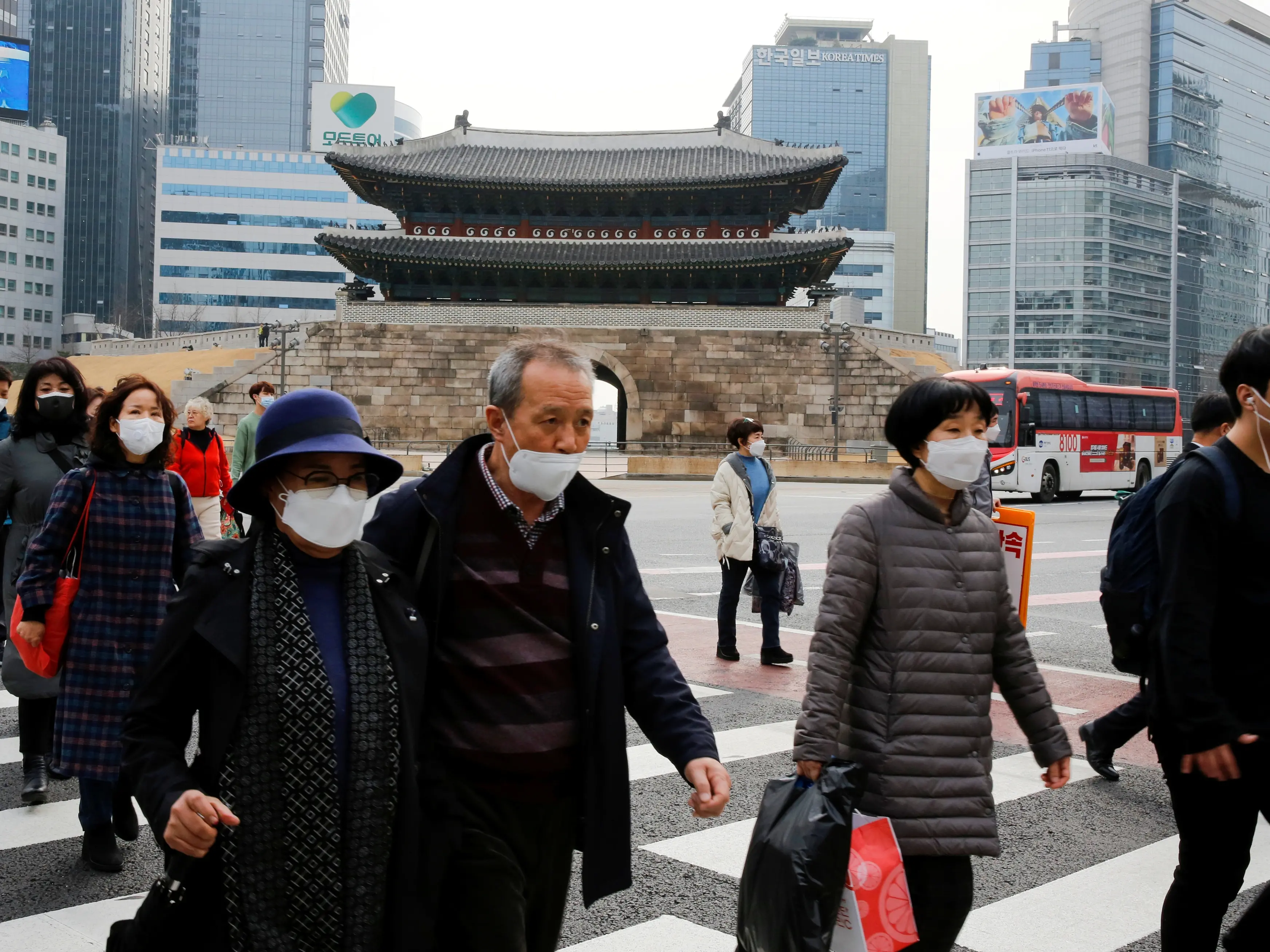
China and South Korea both reported a slowdown in new infections. Mainland China, outside Hubei province, centre of the outbreak, recorded no new locally transmitted coronavirus cases for the second day.
South Korea reported 165 new cases, bringing the national tally to 7478, while the death toll rose by one to 51.
With the rate of increase in new infections at its lowest level in 11 days, President Moon Jae-in said South Korea could enter the "phase of stability" soon.