
PHOTO
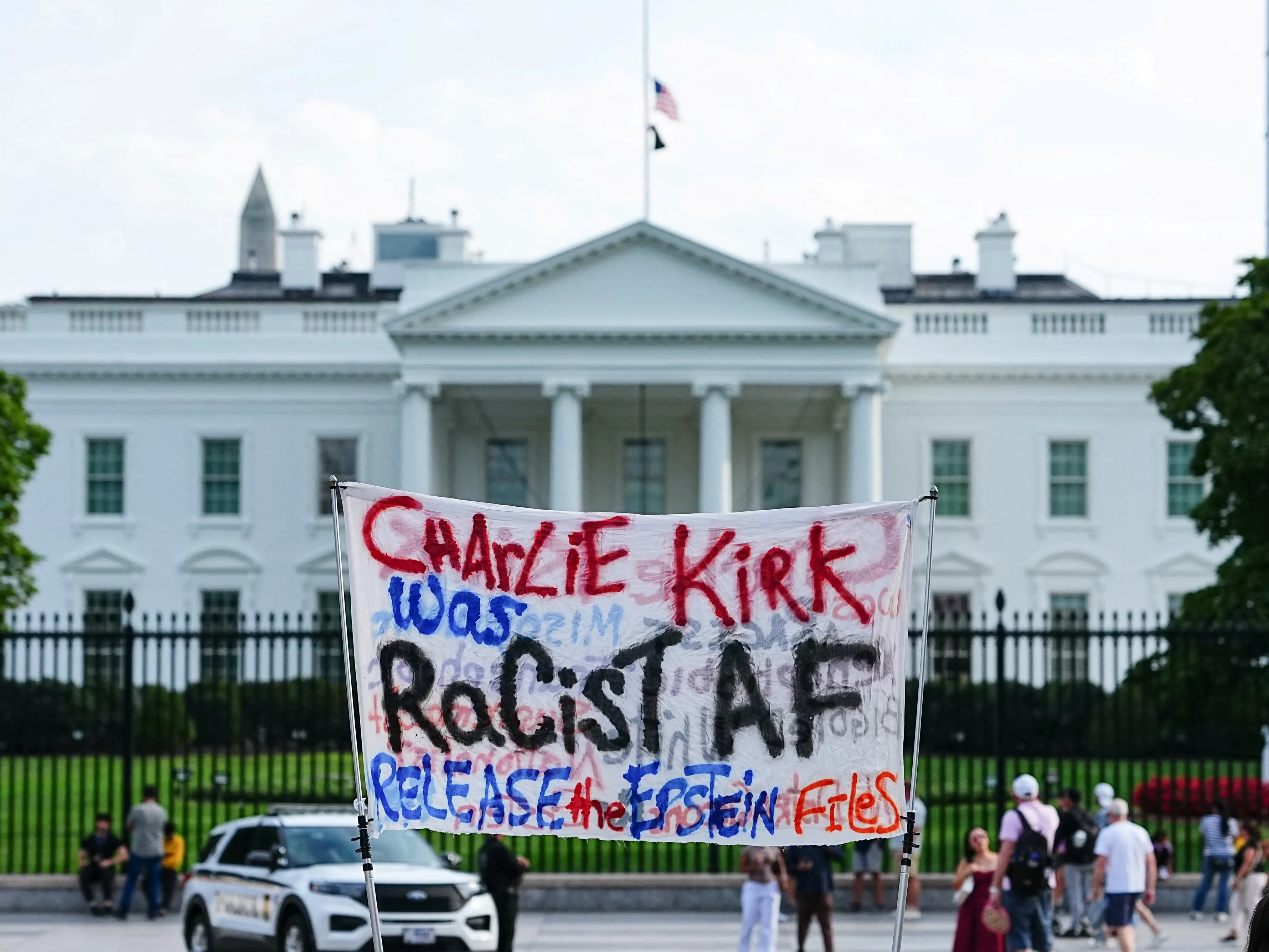
Last week Charlie Kirk was gunned down while giving a speech at Utah Valley University. A man killed not for committing a crime, but for speaking his mind.
He leaves behind a wife, two young children, and a country shaken by the brutal reminder that ideas should be answered with words, not bullets.
News of his assassination has travelled around the world. We have seen vigils, cross-partisan calls for calm, angry debates — and, most chillingly, disturbing displays of people celebrating this heinous act.
That anyone could rejoice in the silencing of a voice through murder shows how far we have drifted from the principle that disagreement is not an excuse for violence.
At the heart of this drift is a poisonous idea: that "words are violence," the shifting of definitional goalposts.
For years, students have been told that hearing the "wrong" ideas is a form of harm that amounts to violence. Administrators have urged "safety" from uncomfortable debates. Entire training programmes are built on shielding people from unsettling speech.
This is not just wrong — it is dangerous. Words can offend, shock, anger, even wound our pride, but they do not break bones or end lives. When we teach that words are violence, we create a culture in which real violence begins to look like a legitimate answer to speech.
Treating speech like violence cheapens the meaning of actual violence, weakens people’s ability to handle debate, and turns disagreement into a crisis.
And that is exactly what we are beginning to see. Surveys in the United States show a growing number of students believe it is acceptable to physically attack speakers they dislike, or to use aggressive "mob censorship" to shut down views they oppose.
Polarised rhetoric paints opponents not as mistaken but as evil, dangerous, or less than human. Once people are "othered" in this way, silencing them by force can seem justified.
To head off the usual knee-jerk objections: no, free speech does not mean anything goes. Incitement to violence, harassment, and genuine threats of harm are not protected speech.
But the threshold must remain high. The danger has to be real and imminent — not simply speech you dislike or ideas that make you uncomfortable.
This is the crisis before us, but it is not hopeless. We can push back — if we have the courage to speak up.
First, we must reclaim the line between speech and violence. Schools, universities, and workplaces must reject the false equation of words with harm that then need to be silenced. They should be places where ideas are tested and debated, not policed for ideological safety.
Second, we must build resilience. Shielding people from disagreement makes them fragile and fearful and intolerant. Exposing them to hard ideas ultimately makes them stronger, more confident, and better able to argue back. That is the purpose of free inquiry and debate.
Third, we must model courage. Leaders must resist the claim that speech is violence, and people from all walks of life must defend the right to speak — even for those they strongly oppose.
Free speech means nothing if it only protects what is popular or polite — then we don’t have free speech at all — we have privilege for the majority and censorship for the rest.
Finally, we need cultural change. That means ending the demonisation of people for their views, treating opponents as fellow neighbours and colleagues to be persuaded, not enemies to be destroyed. A healthy democracy draws strength from the clash of ideas, not their suppression.
Charlie Kirk’s death is a tragedy, and a warning. We cannot allow the line between speech and violence to blur.
The right to speak must be protected, defended, and celebrated — it must never come with the risk of death.
If we are willing to defend that principle — through our institutions, our culture, and our own courage — then there is hope: that the next generation won’t fear words but embrace them; that disagreement won’t end in violence, but in deeper understanding; and that free speech will remain the cornerstone of a free democratic society.
• Jillaine Heather is chief executive of the Free Speech Union.