
PHOTO
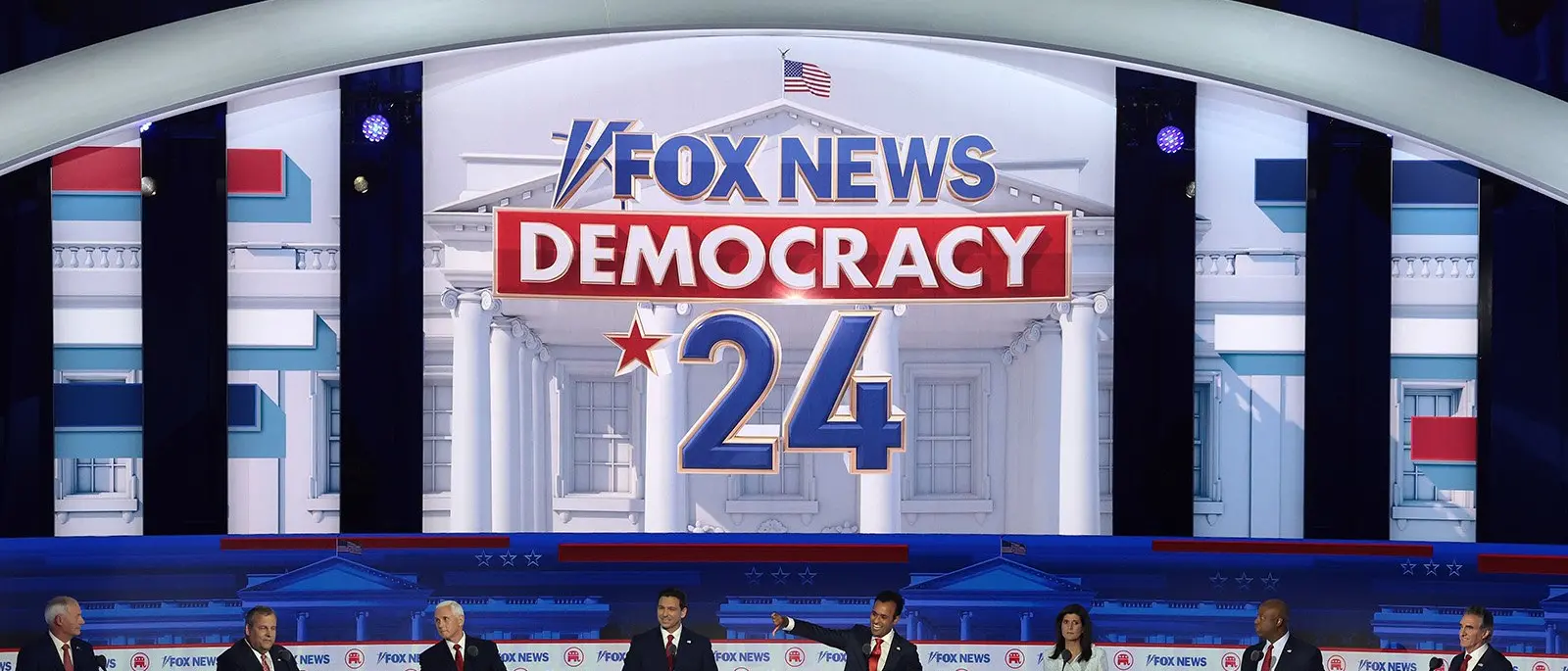
The Republican Party debate has Gil Barbezat worried.
The recent debate featuring Republican contenders for the forthcoming American presidential election made interesting but rather disturbing television viewing. Absence of the bullying leading contender was a distraction, but arguably had the positive effect of allowing the trailing eight an opportunity to express their views more freely.
The Fox News moderators were unable to prevent the participants repeatedly exceeding their allotted times and shouting each other down. The audience occasionally had to be brought to order. It was not a debate in the true sense of the word.
Populism reigned supreme, with participants playing to their audience. There were some positive moments when some agreed that moral values should be respected and that presidents are bound to respect their oath of allegiance to the constitution. In contrast, some volunteered to pardon the previous president if he were convicted of any crimes.
Attitudes towards pandemic control revealed complete disregard for both truth and scientific principles. Subsequent CNN fact checks of what was said revealed significant discrepancies in the content and efficacy of what had really transpired. One contender exclaimed that if he had been the president, he would have said to former White House chief medical adviser Anthony Fauci "You’re fired".
Education has become a political football, with many advocating abandoning both the Department of Education and teachers’ unions. One stated that children should be educated, not indoctrinated.
Certain subjects, such as race and gender, should not be discussed in schools; paradoxically, the same person had previously promoted schools emphasised the benefits African-Americans had derived from slavery. No ideas were provided concerning where children might gain any reliable information on these topical subjects applicable to everyday life.
The moderators dared to introduce the topic of gun control. The subject disappeared within seconds, just like a magician’s flight of hand card trick. Nobody addressed the topic at all, totally ignoring the fact that well over 4000 children die from gun violence each year and mass shootings occur virtually daily in their country.
The topic of climate change was introduced very effectively by a teenager appearing on the screen to ask them how they would allay the fears of youth about its effects. The moderator asked for a show of hands of candidates who believed in climate change.
Before any of them could think how to respond, many had started proclaiming their views. One of them, ironically the youngest candidate, said it was a hoax. All other responders said directly or by implication that efforts required to combat its effects were more deleterious to the benefit of the nation than any changes in climate. It would destroy the energy industry, and help China sell more batteries.
Some time ago the Nobel peace laureate and holocaust survivor Eli Wiesel commented that being ignored is even worse than being wronged. Let us hope the young man who introduced the question appreciates that he and his contemporaries must look elsewhere if they are to have a sustainable future.
As expected, abortion was a lively topic. The moderators commented that strict interpretation of abortion laws was unpopular among the electorate. Repeating the false image that Democrats advocate abortion on demand until the baby is delivered (and some said after that too), all candidates were strongly pro-life. There was a slight range of strictness among debaters, some extending the possibility of legal abortion to 15 weeks. The only female candidate was the one appearing to have the least repressive attitudes and some understanding of the implications of these laws on women and their relationships with their doctors.
Positions on international relations revealed interesting and varied mindsets. While some with previous diplomatic experience respected the importance of continuing international responsibilities and dialogue, others were all for an isolationist perspective, strictly lauding "America first". Anything that might benefit China in any way was damned. Spending money outside the United States was regarded as wasteful, and much better spent at home. The southern border was a dominant focus for their country’s long-term security, and international responsibilities should be carried by the countries directly involved in any conflict.
Whether they had any responsibility in stopping a thug such as Putin invading an independent friendly state proved contentious.
While this debate could be regarded as taking place thousands of kilometres away from us among people from different political backgrounds, we cannot afford to be smug.
We are reminded that many of the policies promoted at this debate were those aired in Germany and Italy in the 1920s and ’30s. It should also be noted that comments by some people standing for election here in New Zealand exhibit many common features with those reported above. Like our climate and ecosystems, democracy is fragile and requires careful nurturing and vigorous defence.
— Gil Barbezat is an emeritus professor of the University of Otago.