
PHOTO
For many people with long-term disabilities or complex health conditions, the distinction between “injury” and “illness” creates unequal outcomes despite similar levels of need.
Someone injured in an accident can access earnings-related compensation and comprehensive rehabilitation through ACC, while a person with a debilitating illness or congenital condition often relies on significantly lower income support through MSD.
This disparity raises serious questions about fairness, dignity, and consistency in our social support system.
The Human Rights Act 1993 provides important safeguards for disabled people, a sensible legacy of Bolger’s government.
I acknowledge the historical and legal differences: ACC operates as a no-fault insurance scheme funded by levies, while welfare support is tax-funded and intended to alleviate hardship.
However, after 33 years, these distinctions too often fail to reflect the lived reality of disabled New Zealanders.
A glaring example is the requirement for people with permanent conditions such as Spina Bifida to obtain a GP declaration every two years to confirm they still have the condition.
This process is costly, time-consuming, and demeaning. Why has this not been streamlined?
The practical realities of disability do not always fit neatly into separate bureaucratic systems. In some cases, individuals receive both ACC and welfare support simultaneously, highlighting how the current framework creates unnecessary complexity and overlap.
My concern lies less with legal technicalities and more with the day-to-day experiences of disabled and injured New Zealanders who must navigate multiple agencies with differing rules and assessments.
I welcome the rollout of Enabling Good Lives, with its focus on greater autonomy, flexibility, and person-directed support. This represents a positive step toward more integrated and humane approaches.
Yet I remain concerned about recent pressures on disabled beneficiaries and low-income households.
As Poverty Free Aotearoa advocate Pat Hanley has noted, many supplementary supports exist because core benefit levels are simply insufficient to cover everyday living costs, especially with rising transport and disability-related expenses.
I was born in 1989 and immigrated to Aotearoa with my family at the end of 1992. After a five-year period in Perth, Western Australia (2006–11), I have seen different approaches to disability support.
Australia’s National Disability Insurance Scheme (NDIS) has recently seen a significant drop of around 241,000 participants over four years.
This raises legitimate concerns about access, eligibility criteria, and whether vulnerable people are being quietly excluded.
Such developments should prompt careful scrutiny rather than complacency.
The Nordic countries offer valuable lessons with their strong emphasis on inclusion, individualised support, personal assistance, and integrating disability perspectives into broader welfare models.
Closer co-ordination between ACC and MSD – or even fuller structural integration – deserves serious exploration.
While complete merger may not be immediate, we should aim for a more seamless, compassionate system without apology.
Ultimately, these issues are about priorities: whether our economic and social systems exist primarily to serve human wellbeing or to preserve institutional and financial conventions.
With technological change such as AI likely to reshape the workforce, we will need robust social support and fair taxation to protect the most vulnerable.
Neither Labour nor National appears seriously interested in addressing these structural monetary and welfare concerns. New Zealand can do better.
We have both the means and the moral responsibility to build a society where disabled and chronically ill citizens are supported with dignity and fairness, rather than forced to navigate fragmented systems that undermine their quality of life.
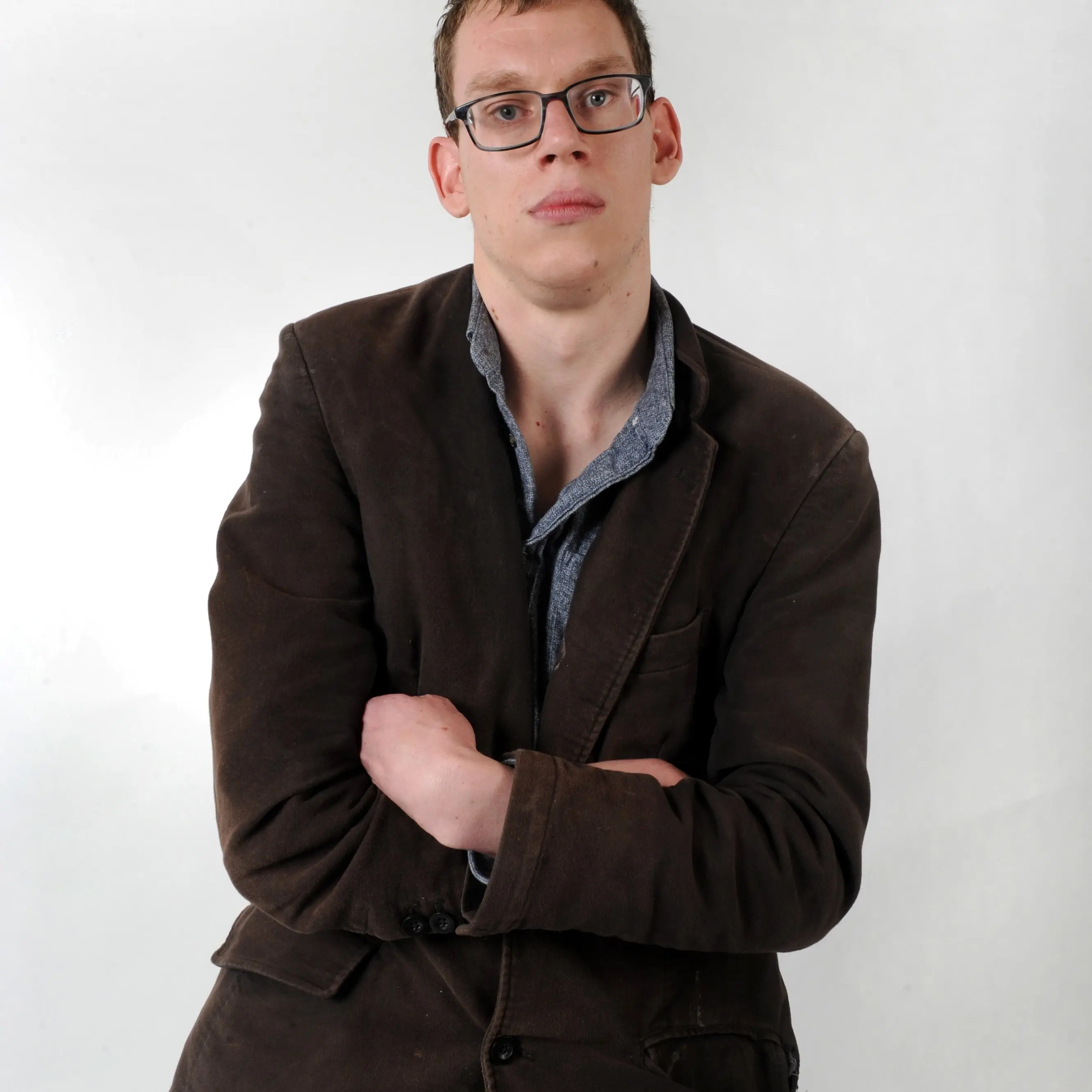
• Thomas McAlpine is a Dunedin man who has cerebral palsy.