
It is fair to say that New Zealand is fast becoming a nation of naysayers.
The battle to get anything done of any scale seems to attract so much negativity that the question arises: why bother? This is especially true of rural New Zealand where many urban dwellers appear to see the hinterland as some sort of glorified scenic reserve to remain intact for their viewing pleasure.
The Santana mining proposal is a case in point.
A recent headline read that Department of Conservation staff were concerned about fauna and flora at the remote Santana site should the mine go ahead. Many others, however, express equal but opposite concerns if the Santana proposal fails to actually gain approval.
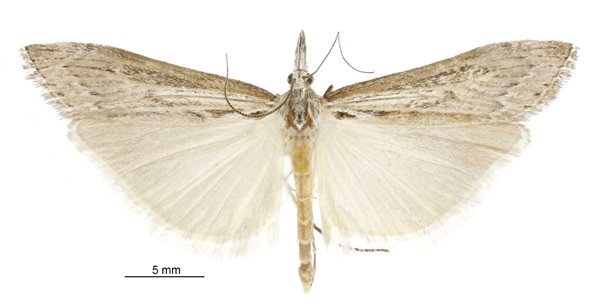
Unless you are into moths, which most of us are unlikely to be, it’s hard to assess a native moth’s true value — in every sense of the word value — to our society. If you don’t know something exists, is it possible to lament its loss?
Most of us will never notice fauna lying dead due to landowners altering their environment to better suit their needs rather than for the local wildlife. That is why we create reserves.
This writer has cut down scores of wilding pine trees yet has never come across one dead bird or insect as a result of the loss of their habitat.
The negativity towards changes and use of our natural capital is very real. It is, however, the failure of too many to understand that life is all about trade-offs that is really concerning.
New Zealand is stone motherless broke, so it is essential that our productivity is dramatically increased if we are to provide desperately needed infrastructure such as hospital services in Dunedin and all over New Zealand. Productivity and infrastructure provision are inextricably linked.
One can hardly get out of bed in the morning without adding some negative impacts to our collective environment. It is the numbers of human beings that destroy the once quiet ambiance of Central Otago — not those who seek to actively contribute to our wider society’s well-being by using some of our abundant natural capital out the back of beyond.
The Project Hayes wind farm proposal for the Lammermoor Range was stopped in 2012 with help from a few high-profile individuals. After six years of cost, Project Hayes was abandoned.
Project Aqua also fell over: this hydro scheme on the lower Waitaki River would have added significantly to renewable power generation. In fact, this scheme alone could have supplied the whole of Christchurch with electricity.
Consent for a wind farm at Slopedown has just received draft approval, but for a mere 30 years.
It probably should have been built 30 years ago, were it not for the disastrous RMA legislation.
Conditions imposed these days could well see the risk of building important infrastructure being too onerous and the consent for too short a term to risk capital.
Water harvesting and storage are yet another case in point. Who in their right mind would invest in infrastructure given short-term consents of use?
There is an almost complete failure to recognise the positive impacts a productive enterprise has on our wider society and not just adverse environmental effects which can always be found.
Councils and hearing panels carry the responsibility of decision making yet bear no consequences if and when they are wrong. And too often they are.
Santana is to be commended for engaging with the public on a scale rarely seen over their mining proposal. Readers may also be interested to learn that the Macraes area in Eastern Otago holds the biggest deposits of tungsten in the southern hemisphere. Is that reality to be ignored?
If we are to build and rebuild vital roading and bridges, schools and universities, hospitals and facilities for the aged and homeless then surely we must look a lot further than just the ‘‘adverse environmental effects’’ of a given project.
The great Tom Sowell has written many books on economics and philosophy. He points out that there are no simple answers to complex questions, only trade-offs.
It doesn’t help achieve sensible outcomes when silly slogans like ‘‘wines not mines’’ totally ignore the dramatic environmental change irrigation offers of orchards and vineyards where parched earth once dominated the landscape.
Vineyards (for the most part) are selling for land value only these days but the change to our environment from viticulture and horticulture is undeniable and welcomed.
So too should mining for rare minerals and the opportunity it brings to us all.
- Gerrard Eckhoff is a former Otago regional councillor and Act New Zealand MP.


