

PHOTO
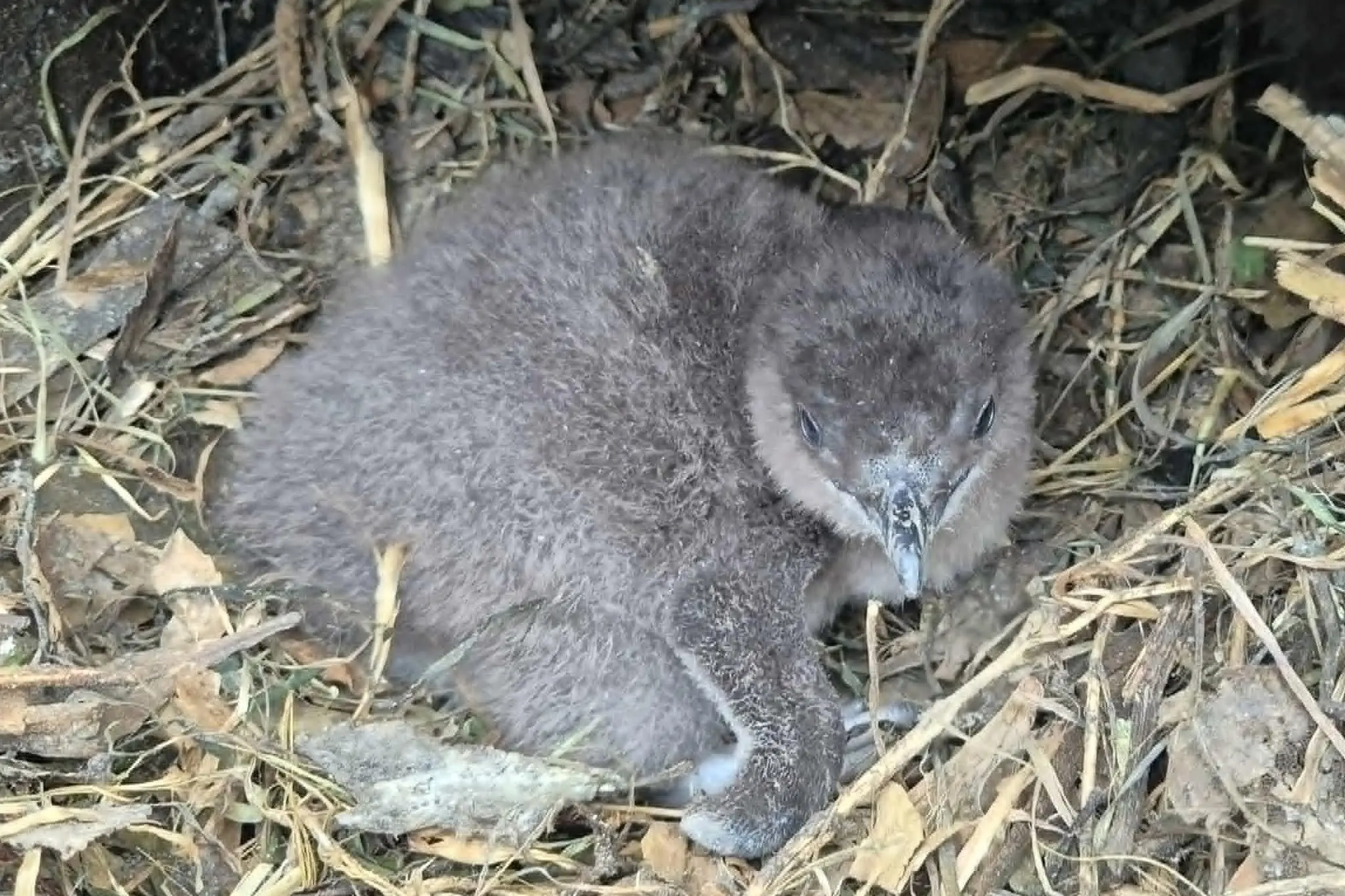
Biosecurity measures have been put in place at Oamaru’s little penguin colony to prevent the spread of the bird flu after the arrival of H5N1 bird flu on New Zealand shores.
Oamaru Penguins staff set up foot wash stations at entrances to the colony building and the seal viewing area last week in order to protect the wildlife there.
Oamaru Penguins science and environmental manager Philippa Agnew was busy setting up the site last Thursday.
She told the Oamaru Mail the simple biosecurity measure helped reduce the risk of inadvertently moving disease into the birds’ habitat.
Nearly 1000 little penguin chicks fledged in the most recent, record-breaking breeding season at the colony, and another 200 eggs have already been laid this season.
‘‘It’s all go out there.’’
They had been planning for a while what to do if the virus arrived, given it had been present globally for a ‘‘long time’’, she said.
Staff would be doing daily checks at the site for any warning signs.
At this stage, the colony’s rehabilitation facility would stay open and it would continue responding to reports of sick or injured little penguins.
Last week, two birds — a brown skua and a native kāhu — were confirmed to have bird flu.
More than a dozen cases have been reported in Australia since it was detected across the Tasman last month.
Oamaru Penguins is also calling on the community to help keep an eye out for “unusual wildlife mortality”, when three or more sick or dead birds or marine mammals (such as seals) were in the same place, and report it according to Ministry for Primary Industries (MPI) guidance.
Dr Agnew said the MPI hotline was the first port of call.
But anyone with questions about bird flu, the colonies’ penguins or the measures being put in place should not hesitate to get in touch with the Oamaru Penguins team.
MPI guidance:
• Report three or more sick or dead birds or marine mammals (such as seals) in the same place at the same time by calling MPI’s Exotic Pest and Disease Hotline on 0800 80 99 66.
• Do not touch sick or dead wildlife and keep your distance.