

PHOTO
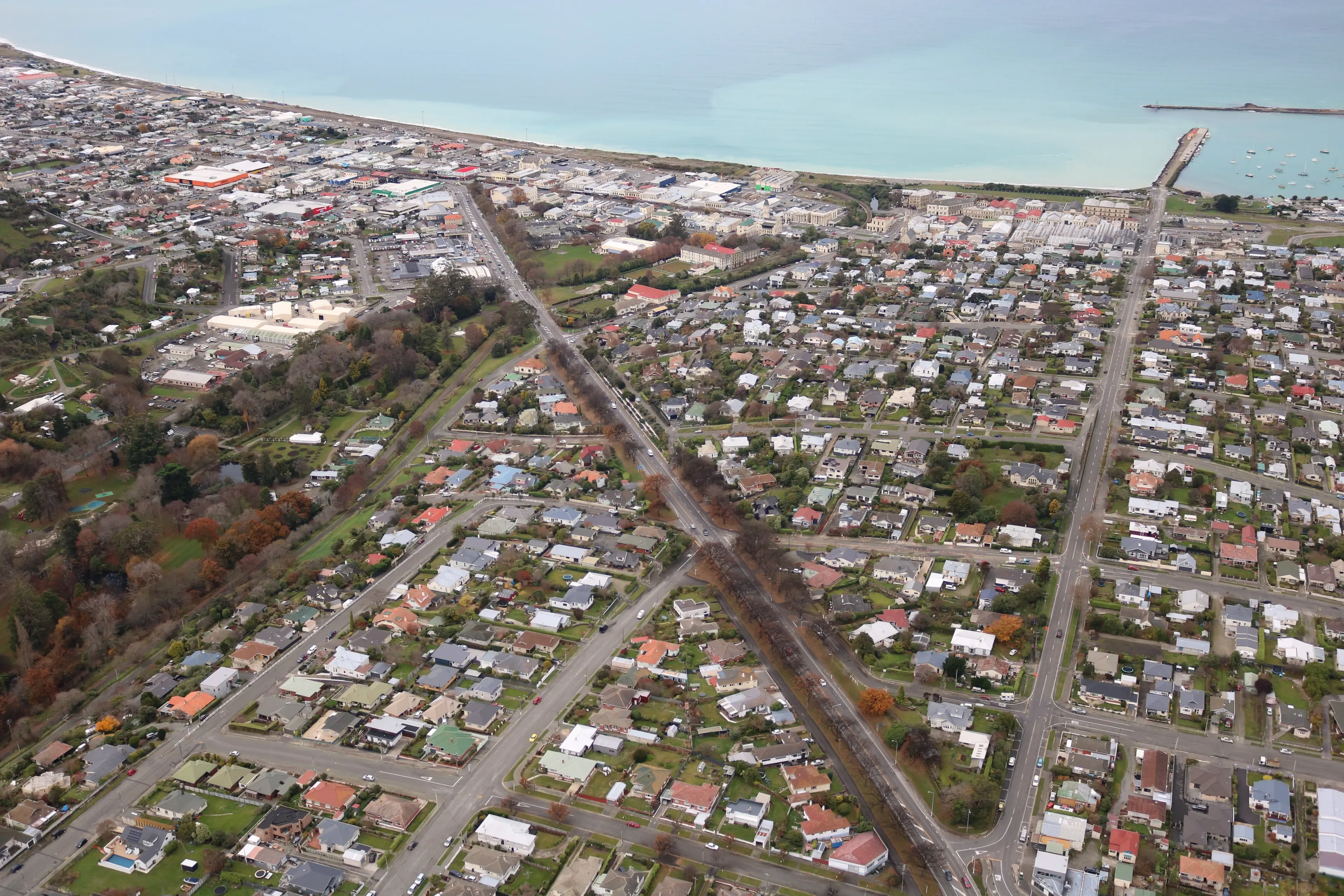
Too many people in Waitaki are “falling through the gaps” because homelessness services readily available elsewhere “simply” do not exist in the district, the mayor says.
“Where someone lives should not determine whether they can access help,” Mel Tavendale said.
A recently published Housing Needs Analysis report painted a stark image of significant — and escalating — levels of homelessness in the district.
It also highlighted the district had no homelessness outreach services or Housing First programme (a government-funded approach delivered elsewhere to provide long-term housing and support for people experiencing chronic homelessness).
The report, published by community coalition Stronger Waitaki, not only demonstrated the “growing need” in the district but also the need for equity when it came to homelessness support, the organisation’s lead Ali McIntyre said.
The report should not sit gathering dust on a shelf, she said.
It was a “practical tool for action”.
Homelessness support a ‘postcode lottery’
Mrs Tavendale said too many people in Waitaki were “falling through the gaps because services available elsewhere simply aren’t available here”.
The district needed more government support and investment, “so communities like Waitaki have access to the same services that are already operating in other parts of New Zealand”.
“Where someone lives should not determine whether they can access help,” she said.
Prevention was key, Mrs Tavendale said.
“This means supporting people who are struggling with housing costs, relationship breakdowns, mental health challenges, family violence, addiction, or other pressures that can put having a roof over their heads at risk.”

Every Waitaki resident deserved access to the support they needed “to have a safe place to call home”.
Local organisations such as Stronger Waitaki were doing “important work” advocating for services and connecting people with support, “but they cannot do it alone”.
The mayor said the Waitaki District Council, alongside Stronger Waitaki, would continue to advocate strongly to government for “fair access” to homelessness services and housing support.
‘Hidden’ homelessness
Ms McIntyre said Stronger Waitaki’s report pointed to a “growing need for support for people experiencing homelessness and severe housing hardship”.
The Housing First programme was an “evidence-based approach” with a “simple premise”: to provide stable housing quickly, then help people address their social, financial and health needs.
It already operated in centres across New Zealand with central government funding.
Homelessness often stemmed from a myriad of overlapping pressures, including financial hardship, relationship breakdown, mental health challenges, addiction, unemployment, family violence and a lack of affordable housing, she said.
“Some people remain in unsafe relationships or unhealthy homes because they have nowhere else to go.”
Housing First provided support, not just housing, “rather than requiring people to resolve these challenges before they can access a home”.
A homelessness outreach service meanwhile could reach people sleeping rough, living in vehicles or campgrounds, couch surfing, or staying in other temporary accommodation, she said.
Outreach workers could then connect these people with support and help them join the social housing register.
Workers could advocate on their behalf and improve access to housing, income, health and social services, she said.
Not only would this better support people, but it would also reveal the “true scale of homelessness”.
“Because much homelessness is hidden, effective planning is difficult.
“Better information would help direct resources where they can make the greatest difference.”
‘Ripple effect’
When people could not access housing support or a healthy home, the effects “ripple” across the whole community, Ms McIntyre said.
This included shifting pressure to other local services, a greater risk of social isolation and higher long-term social and economic costs.
“Acting early can stop housing problems becoming more complex and costly.”
Ensuring that government funding and services kept pace with local need was described as a “major challenge” for communities such as Waitaki.
“Funding models often favour larger urban centres, where populations are bigger and need is more visible,” Ms McIntyre said.
This could leave smaller districts — particularly south of Christchurch — “struggling” to secure investment despite significant housing pressure.
The Stronger Waitaki report found that the district’s homelessness rate was comparable to Rotorua’s, yet Rotorua received “significant” government investment in social housing and homelessness responses.
Waitaki by comparison had gained only six additional social housing homes in the past five years and no dedicated homelessness funding.
“Government investment should better reflect provincial need,” said Ms McIntyre.
Waitaki a victim of its own geography
Delivering services across Waitaki’s vast geographic area was “harder and more costly”, said Ms McIntyre, particularly when support was based in centres such as Dunedin or Timaru.
Service gaps also needed to be closed.
“Some residents miss out simply because they fall outside a service boundary.”
One example of this was Canterbury communities, which fell within the district but currently had no access to a Sustaining Tenancies service.
Waitaki residents deserved the “same opportunity for help” as people in larger urban centres.
On the ground
Stronger Waitaki was part of a network of more than 100 community and social service organisations advocating for housing and homelessness support, said Ms McIntyre.
Advocacy was central to this work, she added.
The Housing Needs Analysis report showed the “scale and nature of local housing challenges” and made Waitaki’s needs “visible to decision-makers”.
Another priority was making help easier to find, including the recently launched Stronger Waitaki Support Finder, Helping Hand Guide and at community events.
A ‘practical tool for action’
The housing needs report was described by Ms McIntyre as a “practical tool for action”.
“This report should not sit on a shelf.”
It clearly defined the district’s housing challenges and provided evidence to press for greater support and investment, she said.
The report had already been shared widely, she said, in a bid to make sure future funding, service and housing decisions reflected local need, “not assumptions”.
“Ultimately, Waitaki deserves its fair share of housing support and resources.”
The report
The number of people living without shelter in the Waitaki district had surged by 320% in recent years and was higher than the rate in Dunedin, according to the report.
And people were increasingly sleeping rough, living in their vehicles or staying long-term in campgrounds, due to worsening financial pressures.
Among its notable statistics were:
- A 60% increase in the number of people experiencing homelessness in recent years.
- For those living without shelter, one category used to define homelessness, there was an even more stark increase of 320%.
- An estimated 468 people in Waitaki were experiencing homelessness, as of the latest Census.
This data also did not factor in the more recent cost-of-living crisis.
‘Embarrassing’ to admit
Stigma was a barrier for those seeking support, according to one respondent to the report who said it was “embarrassing for whānau to say they are living on the street”.
“If we had more mental health services and drug rehabilitation centres in Oamaru or close by, then I believe this would ease the pressure on housing.
“It would allow some people to get the help they need before hitting rock bottom,” one respondent said.
“Most of the system is reactive — support only kicks in when someone is already in crisis.”
What do political candidates say?
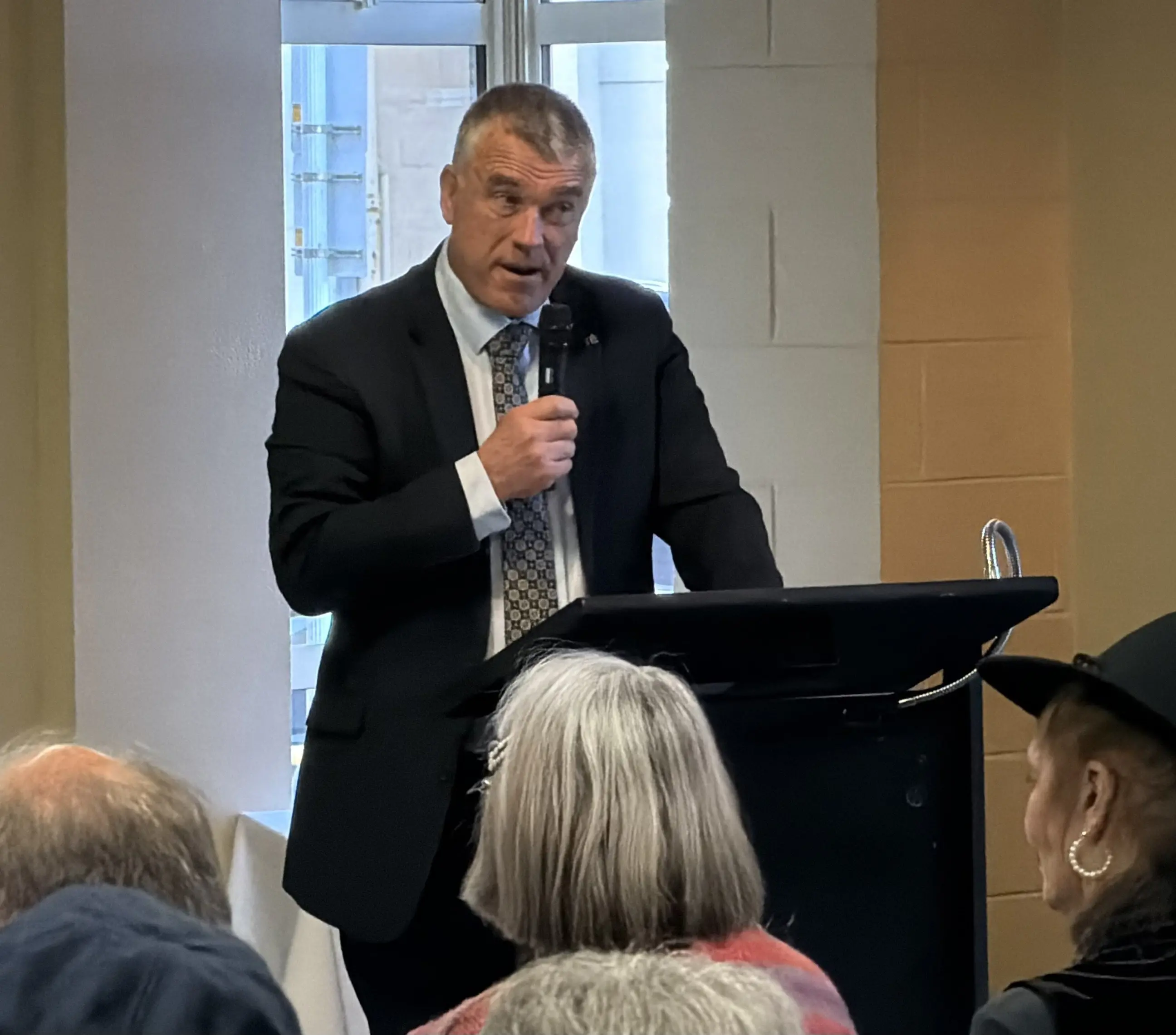
Miles Anderson, National
Mr Anderson said the coalition government had made “significant” progress after inheriting an emergency housing system which he claimed had left thousands of families living in motels for months “or even years”.
Waitaki’s incumbent MP said these numbers had fallen significantly since.
His government had achieved its 2030 emergency housing reduction target five years early, he said.
Families with children had been prioritised, he said, “increasing pathways into social and private housing, and improving co-ordination between agencies and housing providers”.
This progress was reflected locally, he argued.
“Waitaki District Council reports there are 125 public homes in the district outside its own council-housing portfolio.
“Kāinga Ora’s September 2025 stock report also recorded no vacant Kāinga Ora homes in Waitaki, showing that the existing public housing stock is being put to use for people who need it.”
A new mental health crisis support service was opened in Oamaru in August last year.
The coalition government had funded 1500 new social homes through its 2024 Budget and invested a further $17 million in “immediate support” for people living without shelter, including access to up to 300 additional social homes, he said.
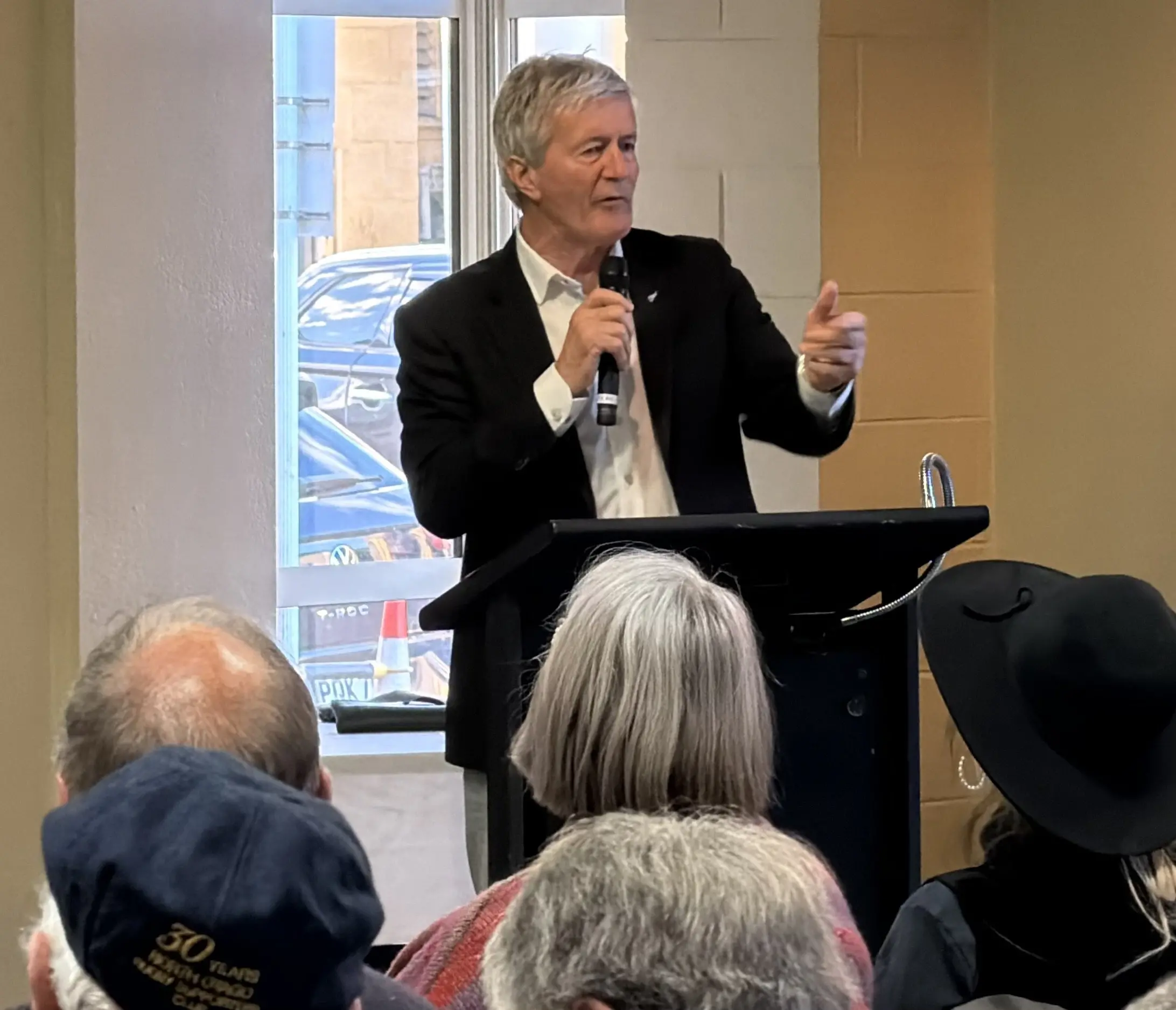
Damien O’Connor, Labour
Mr O’Connor said his party was committed to building 6000 new social houses and having them located throughout New Zealand, not just in cities.
He acknowledged there was “huge pressure” in rural towns and provincial areas where he said there had been “insufficient” investment in the last few years.
He said the coalition government had shifted people into motels without any alternative accommodation available for them.
Mr O’Connor spoke to the ‘‘hidden issue’’ of homelessness in rural areas, where people were not necessarily sleeping rough, but in cars and insecure accommodation.
“We are seeing this in provincial towns.”
It was easier for people to hide away in provincial and rural towns but the situation was “just as dramatic” for many of these people.
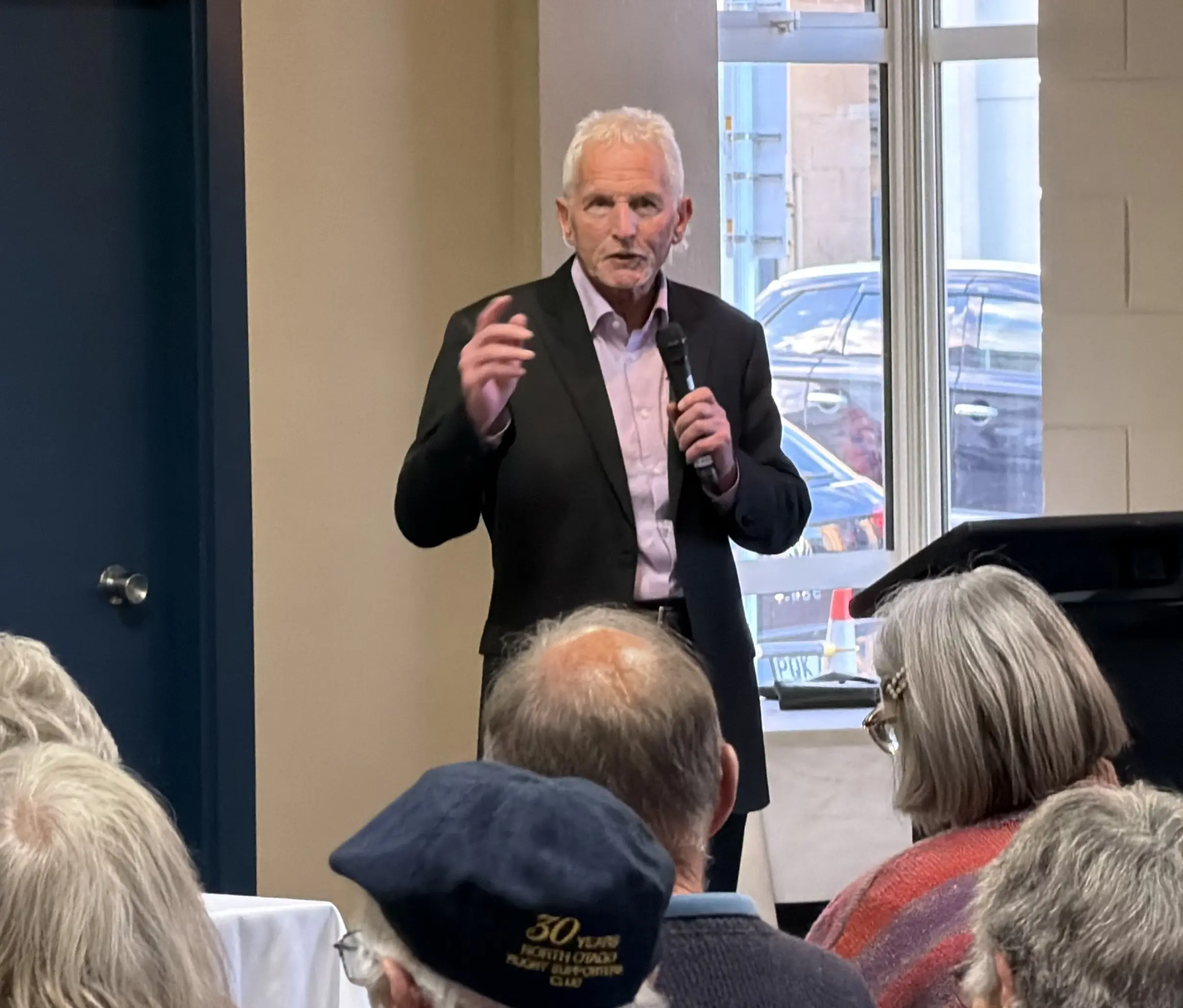
Michael Laws, New Zealand First
Affordable housing was a problem not just confined to Oamaru, Mr Laws said.
“In fact it’s more affordable in Oamaru than in Cromwell or Wānaka (or Queenstown).”
It was time to look at other options, he said, including community housing with central facilities, especially for single people.
Families took priority with assigned Kāinga Ora rentals.
“That is an option currently provided by the private sector in Cromwell and seems to be working well.”
Mr Laws said there were “probably greater issues” of priority for taxpayer investment in the Waitaki electorate, “especially” health and maternity services.

Helen Tait, Opportunity Party
Ms Tait said her party had policies which would address “the problem in both the short and long term”.
“In the longer term, we will be working to persuade other parties that New Zealand needs a complete tax reset, to include a tax on assets in line with the majority of OECD countries.”
A proposed land value tax would cover the cost of a universal basic income which would provide support to those experiencing short-term “or ongoing” difficulties with accommodation, she said.
“A proposed land value tax will cover the cost of a universal basic income.”
Health and housing policies were also high on the party’s list of immediate priorities.
Opportunity planned to “streamline” housing delivery, by reforming planning zones, and providing financial incentives to councils to fund social housing projects.
Act New Zealand candidate Sean Beamish was contacted for comment but had not responded by the time the Oamaru Mail went to print.