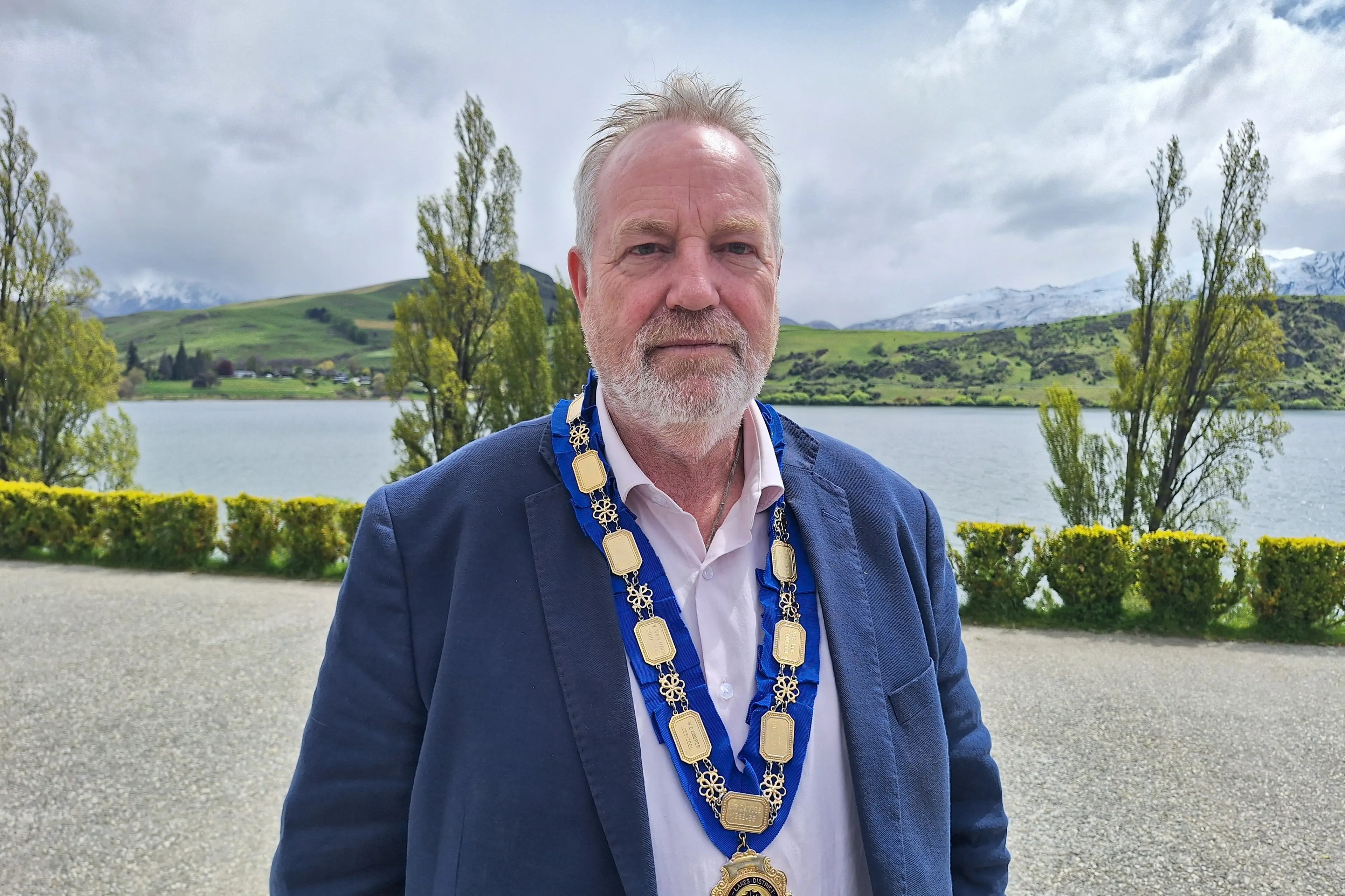
If property owners are not allowed to build on their own land if it is an outstanding natural landscape or heritage feature, Queenstown’s council may have to compensate them if a law is passed. These ‘regulatory relief’ provisions are in new planning legislation replacing the Resource Management Act, which could well be in effect by late September. In its submission, Queenstown’s council pointed out its area includes about 5000 parcels of privately-owned land protected as ‘outstanding natural features and landscapes’ or rural landscapes with an estimated combined value of about $13 billion. In the legislation, if a council stops a landowner from making “reasonable use” of such land, that council has to compensate them for its value. On top of council’s potential liability approaching $13b, “this figure could be substantially higher if compensation were to reflect a landowner’s intended use of land for extensive development and sale”, council argues. These potential costs need to be accounted for through long-term plan processes, its submission states, and funded by the public. “QLDC considers this level of fiscal exposure to be unacceptable, unmanageable and inconsistent with sound public finance principles, particularly where councils are being required to implement nationally-directed landscape protection outcomes. “It is concerning that the proposed system may empower the courts to direct councils to make such payments. “QLDC considers this inappropriate and a misuse of public funds.” The council urged the government to remove these provisions from the Planning Bill. However, when a select committee reported back last week, the provisions remained intact. Commenting last week, mayor John Glover says this is “of significant concern”. “Last time I checked we didn’t have $13b in the bank, and I’m not sure when you divide $13b by 30,000 ratepayers what that looks like. “I think most commentators thought the government might move back from that … it sounds like they haven’t.” He says he would be “gravely concerned” if the provisions remain, because the landscapes are “the drawcard for our tourism sector”. “Those … views are absolutely essential to supporting our future economy, and if our future economy fails, then it does so for the rest of New Zealand.” scoop@scene.co.nz