PHOTO
The Auckland and Queenstown Lakes District mayors are both disappointed with National's announcement on Sunday ruling out the bed tax, with Auckland mayor Wayne Brown hitting out at National "walking away" from its commitment to the Auckland Regional Deal.
On Sunday, the National Party ruled out the idea of a bed tax, promising that there will be "no new taxes" if it's re-elected.
It comes a fortnight after Prime Minister Christopher Luxon spoke publicly about the possibility of three new taxes under National - a bed tax, a bank tax and a fuel excise increase.
Brown said in a statement that Sunday's announcement raised serious questions about the government's commitment to the Regional Deal.
"The deal is meaningless if the government cannot honour even a relatively modest commitment to explore an agreed proposal.
"Ruling out the bed-night levy without offering any meaningful alternative to support the industry is deeply disappointing," he said.
The regional deal, signed in April this year, included the government committing to considering the accommodation levy policy in 2027.
Brown said the bed-night levy was a user charge, not a general tax.
"Taxes are unavoidable, you can avoid this by just not staying in a hotel.
"It would result in no additional rates or taxes on Aucklanders, while enabling Auckland to attract more events, support local businesses and grow the regional economy," he said.
Brown said the regional deal was an agreement between the Crown and the council. "It should not be something one party can simply disregard," he said.
Brown said he looked forward to discussing the issue with ministers responsible for the Regional Deal - Infrastructure Minister Chris Bishop and Local Government Minister Simon Watts - at the next quarterly review of progress in September.
A 'complete u-turn'
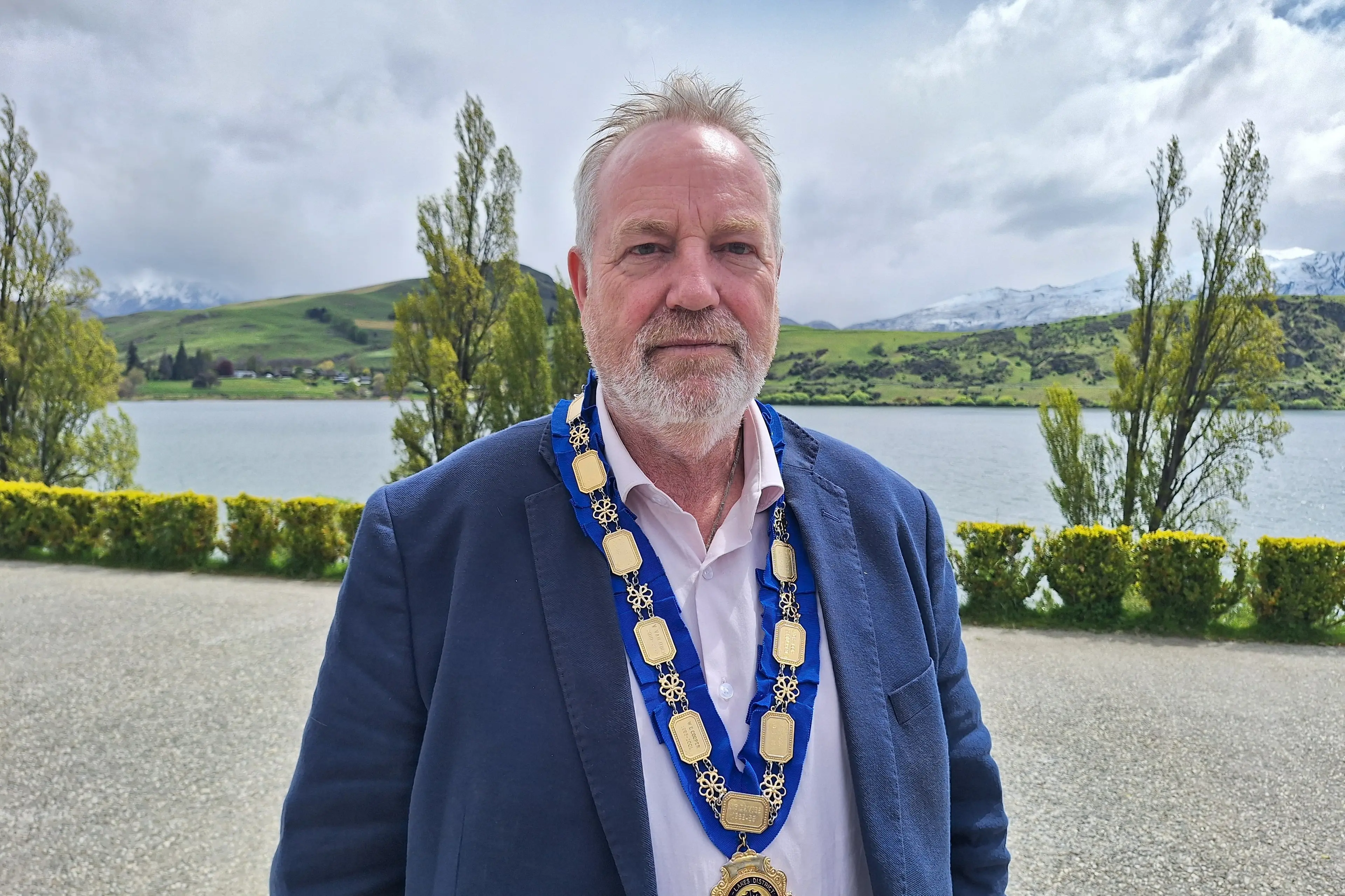
Queenstown Lakes District mayor John Glover told RNZ it appeared to be a "complete u-turn" on policy, after the government agreed to consider the accommodation levy for visitors in both the already-signed Auckland Regional Deal, and the deal for his region, which was almost signed a week and a half ago - but had to be rescheduled due to National's crisis talks on the same day.
"It feels like policy making in a state of panic. I appreciate there's a campaign message about no new taxes, but the government particularly says it doesn't want to tax Kiwis for a weekend away.
"Well, what we just need to be clear about is that Kiwis are already being heavily taxed across the country, because every ratepayer that's in a tourism town is already having to pay for the cost of tourism, so to say they don't want Kiwis to be taxed is a bit of a rabbit hole to be going down," he said.
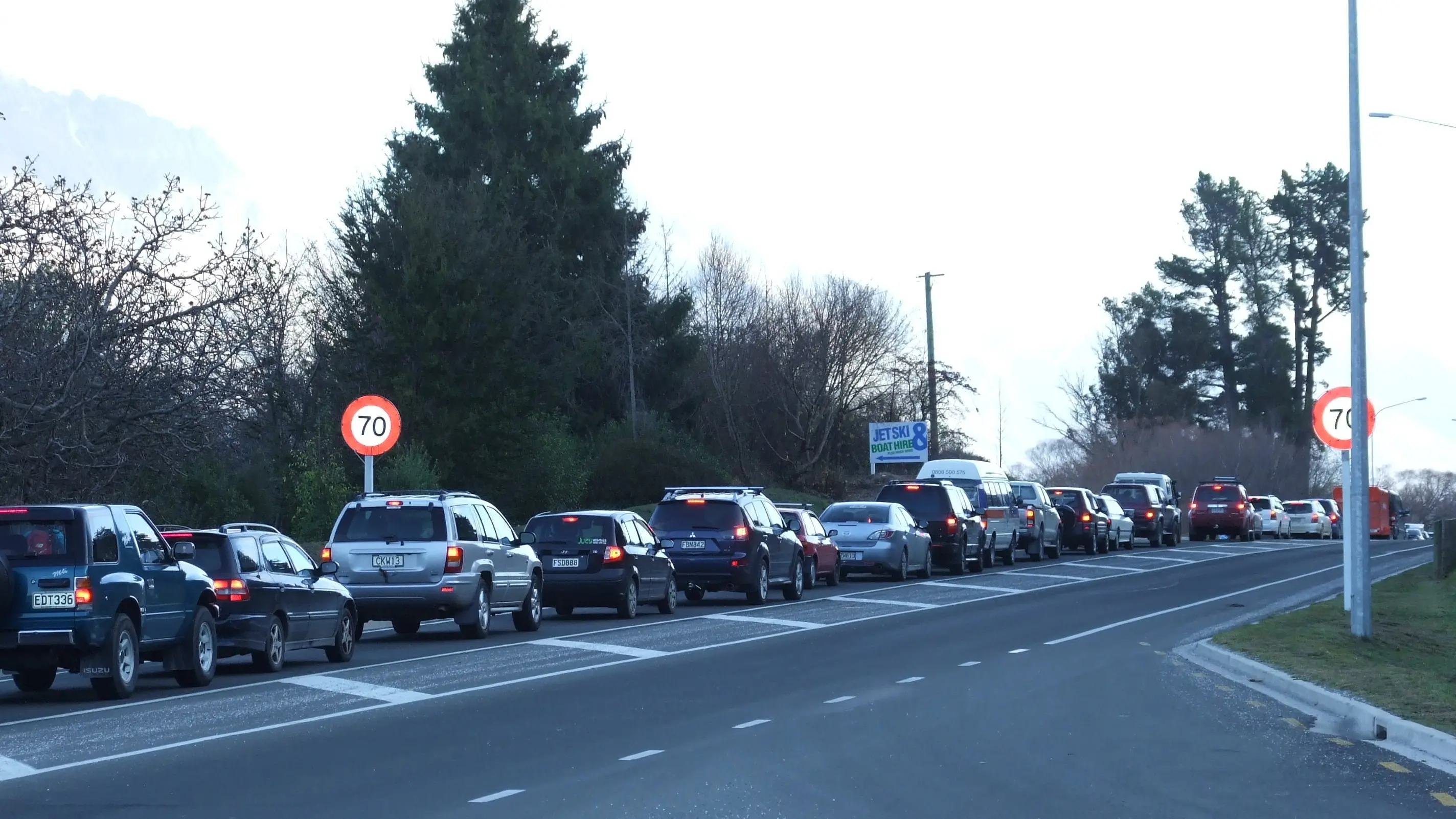
Glover said not being able to implement a bed tax would be "significant" for his region, where infrastructure was strained by the number of visitors each year - doubling the population during peaks.
"Things like car parks or waste collection, you know we've got some really expensive roads that go to the likes of the Routeburn track or Skippers Canyon, there might be five ratepayers live down there, but tens of thousands of visitors go there every year," he said.
"You would think we deserve governments that support tourism in this country, and they need to give council the tools to do that," Glover added.
Rotorua mayor Tania Tapsell said she was "surprised" with the announcement, considering that the bed tax formed part of the Auckland Regional Deal.
"We're definitely sad to hear that because there's been so much hard work behind the scenes," she said.
"Councils without any alternative will have to continue to use ratepayer funds to invest in tourism offering," she added.
Tapsell said she and other mayors had also been pushing hard for more fair distribution of the International Visitors' Levy back to the regions, like Rotorua.