
PHOTO
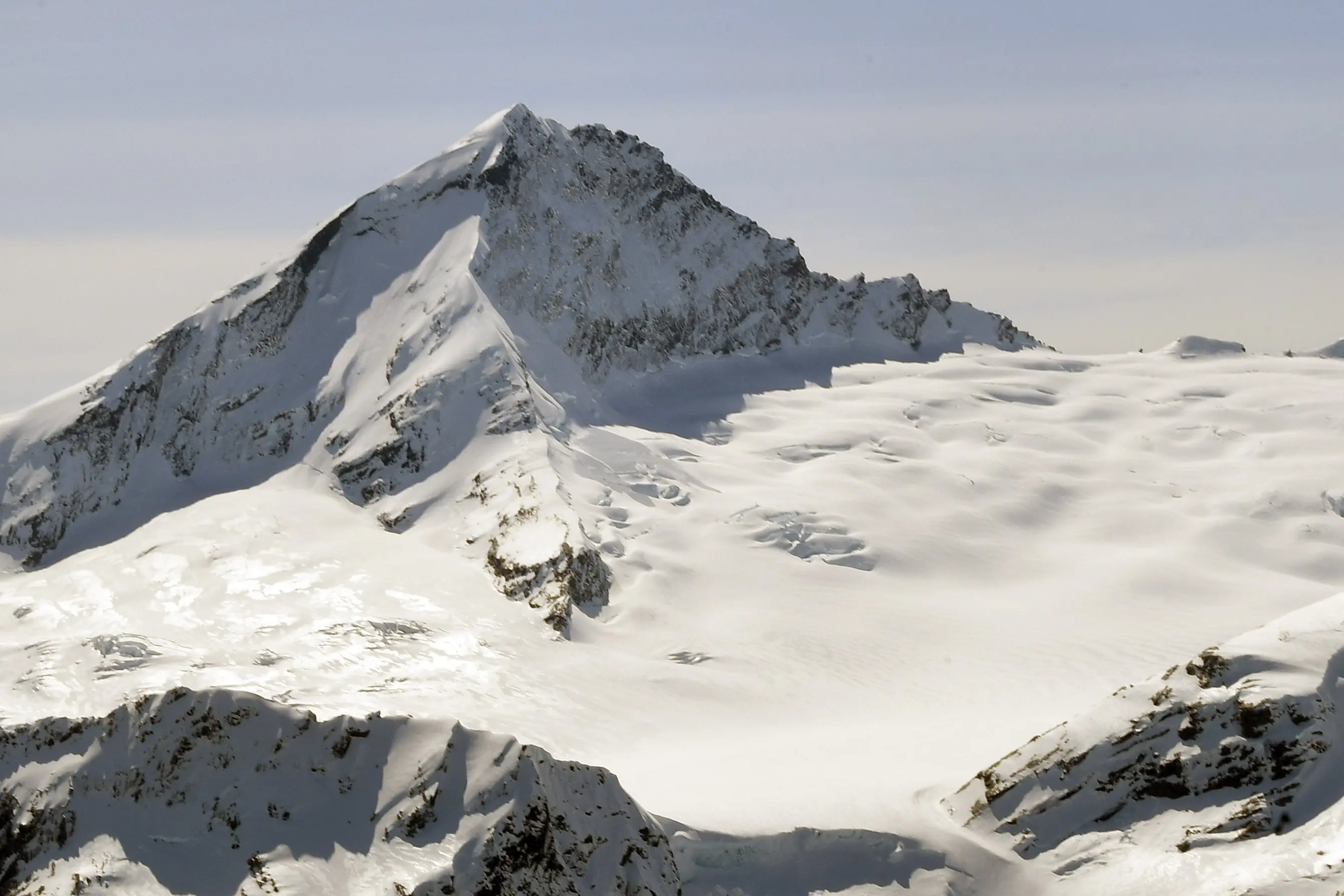
A climber whose companion plummeted 200m down Mt Aspiring clambered up difficult alpine terrain in the bitter cold for three hours to get a phone signal and raise the alarm.
His efforts were rewarded when a rescue helicopter plucked both climbers at around 1am on Wednesday morning.
The incident unfolded when police received a report of a climber falling an estimated down a cliff face and into a crevasse at about 6.15pm on Tuesday.
Sergeant Darren Cranfield, of Wānaka police, said the climber's companion was faced with an extremely challenging situation.
"After the fall, the companion spent more than three hours climbing in difficult alpine terrain to find enough satellite reception on a mobile phone to raise the alarm.
"During that time, they too were becoming increasingly at risk of hypothermia."
Otago Lakes Search and Rescue and Heli Otago took to the air to search for the pair.
The weather was closing in and the chances of a successful rescue were "diminishing rapidly”.
"This was a complex and dynamic operation where two lives were at risk," Sergeant Cranfield said.
"Given the remote alpine environment, success depended on strong communication, effective collaboration between teams, cross-district coordination and clear decision-making throughout the rescue effort."
At about 1am, both climbers were successfully rescued by Heli Otago, with assistance from the Wakatipu LandSAR Alpine Cliff Rescue Team.
"We are incredibly pleased with this outcome and grateful that we brought both climbers to safety," Sergeant Cranfield said.
Police thanks search and rescue personnel, alpine rescue specialists, Heli Otago Rescue and all those who contributed to the operation.
"The professionalism, skill and commitment shown by everyone involved played a critical role in bringing this incident to a successful conclusion."
Sergeant Cranfield said the incident was a timely reminder of the risks that can be encountered in alpine environments.
"Conditions in the mountains can change rapidly, and even experienced climbers can find themselves in dangerous situations."
"We encourage anyone heading into alpine areas to thoroughly prepare, carry appropriate communication equipment and emergency supplies, and ensure they have a plan in place should the unexpected occur."
"Being prepared for the worst can make all the difference when things go wrong."