

PHOTO
Migrants and academics are questioning the rationale of New Zealand First's new superannuation policy, calling it unfair and unjustified.
The party on Sunday pledged to restrict NZ Super to citizens from 2029 if elected in November.
Leader Winston Peters cited concern about the scheme's affordability for the policy change.
"With our growing older population and the increasing costs of Super on taxpayers, how is it fair that the tax burden of supporting seniors now goes to paying for the full retirement of someone who has migrated to our country and only lived and paid taxes for sometimes less than half of the time compared to those who have worked their whole lives here?" he asked when announcing the policy at a public meeting in Hamilton on Sunday.
Currently, permanent residents and residents can get NZ Super, but they must have lived in New Zealand for 10 to 20 years based on their date of birth from age 20, which must include five years from age 50.
Auckland resident Sophie Liu was shocked to learn about NZ First's new policy.
Originally from China, which doesn't allow dual citizenship, Liu hasn't changed her passport despite being in New Zealand for more than a decade and meeting all requirements for citizenship.
She said her family were still in China.
For migrants from countries such as China that do not allow dual citizenship, becoming a New Zealand citizen was not a straightforward decision, she said.
Liu said many residents and permanent residents have shifted their retirement future to New Zealand and stopped contributing to their home country's pension system.
"Are you seriously suggesting that these people should reach retirement having lost or reduced their pension entitlements in their country of origin, while simultaneously being denied access to New Zealand Superannuation despite having spent decades living, working and contributing here?" she said.
Kelly Feng, chief executive at Asian Family Services, said she had serious concern about the policy, which she described as being unfair and inhumane.
Being denied a pension might lead to increased inequity, poorer health outcomes, and mental pressure for certain families and groups, which wouldn't be good for social cohesion, she said.
"We have to think about what social economic cost may be transferred to families, charities, healthcare and emergency services.
"It's not simply just giving Super to a citizen. This policy doesn't really consider the ripple effect of what is going to happen."
Permanent residents were not temporary visitors, with many having lived and worked in the country for decades, paid taxes and contributed significantly to the economy and community, she said.
"I think eligibility should recognise a person's year of residence ... like the current policy, not simply a passport."
Feng also said migrants might have family, property and other commitments in their home countries, which could make it tricky to give up their original citizenship.
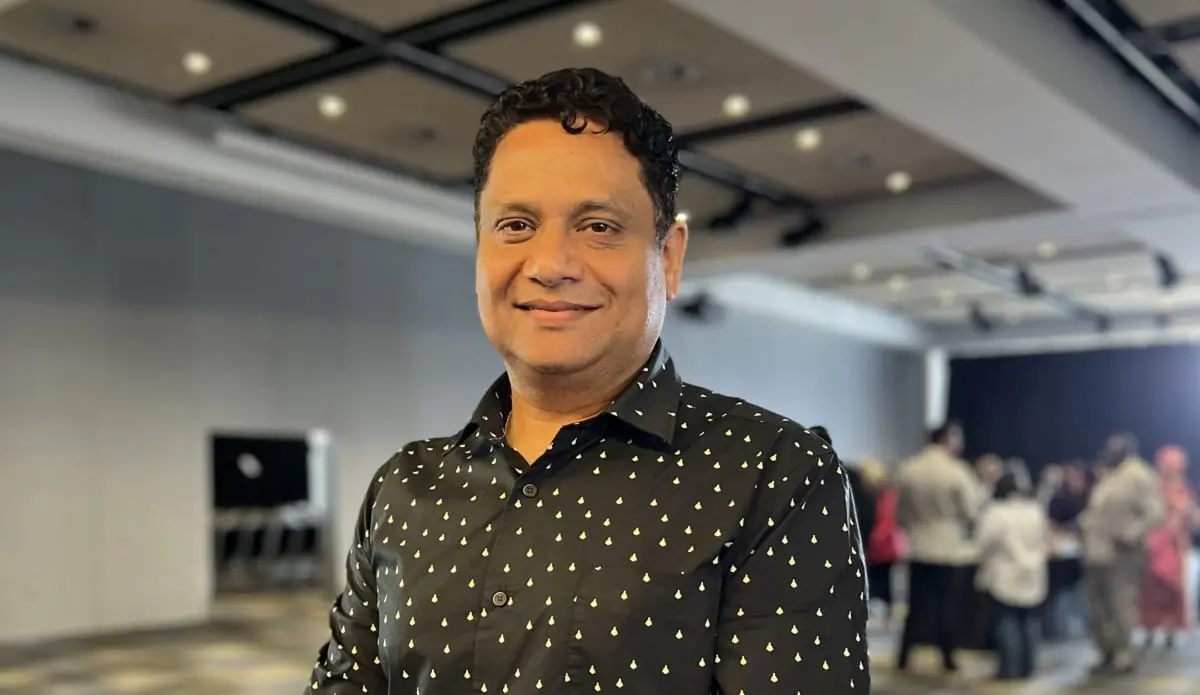
Asian Network Incorporated chief executive Vishal Rishi said the decision to settle overseas typically showed migrants' commitment to their new country.
"I think these politicians don't understand how much time, effort and resources go into a migrant's headspace to settle well, to raise their families here," he said.
"They didn't come here just for the superannuation 20, 30 years ago, right?
Rishi also pointed to an earlier pledge by NZ First to take voting rights off residents, saying it sounded like such individuals would only be left with "the right to contribute".
Migrants who had contributed to society for decades were viewed as burdens now they had aged, Rishi said.
"When they were asking for investments, when they were asking for money and skilled labourers, there was no burden.
"Now when something has to be given, then there's a burden. That's not really right. That's not ethical at all."

Experts question the policy's rationale
Susan St John, honorary associate professor in the economics department at the University of Auckland, said the existing requirements for NZ Super were already "quite stringent".
She didn't see citizenship as a meaningful threshold, especially if the party wanted to save money on one hand but also wanted to ensure people who received NZ Super had made a commitment or contribution here.
"It's hard to see that there would be any saving in fiscal costs to start with or that we would be necessarily any better off simply because somebody has decided that they'll become a citizen because that's the way they get New Zealand Super," she said.
St John said the universal superannuation scheme was put in place in the 1970s and was designed to be egalitarian.
The scheme was set up based on residency to avoid disadvantaging people who weren't able to make contributions for the required length of time over their working life or had been in low-paid employment, she said.
"It has been through some degree of change, but the fundamental system has remained the same, which was a universal, taxable, flat-rate payment to everyone who meets the residency requirement and lives in New Zealand."
She said the unintended consequences should be looked at as people might have valid reasons to not want to become a citizen.
"It's something people should be able to freely choose, not be forced to choose if they wanted to receive the pension.
"It's huge penalty for somebody reaching the age of retirement and then find they don't get a pension because they're not a citizen."
St John said affordability concerns could be addressed by changing how NZ Super was taxed or by reducing support for wealthier recipients, rather than limiting eligibility to citizens.
"It could be tweaked if we think that it's unduly generous to those that have got huge amounts of income or assets but not based it on an arbitrary distinction between permanent residents and those that have citizenship."

Massey University professor Paul Spoonley said the proposal would mean a fundamental change to New Zealand's policies and approach to immigration.
One of the attractions of New Zealand for migrants was that people were allowed to hold other passports and citizenship and their access to citizenship rights once they moved here has been relatively open, he said.
"New Zealand First is changing long-held policies - which needs to be tested in terms of whether there is a public and political mandate - and is sending a message about who they want as an immigrant.
