
PHOTO
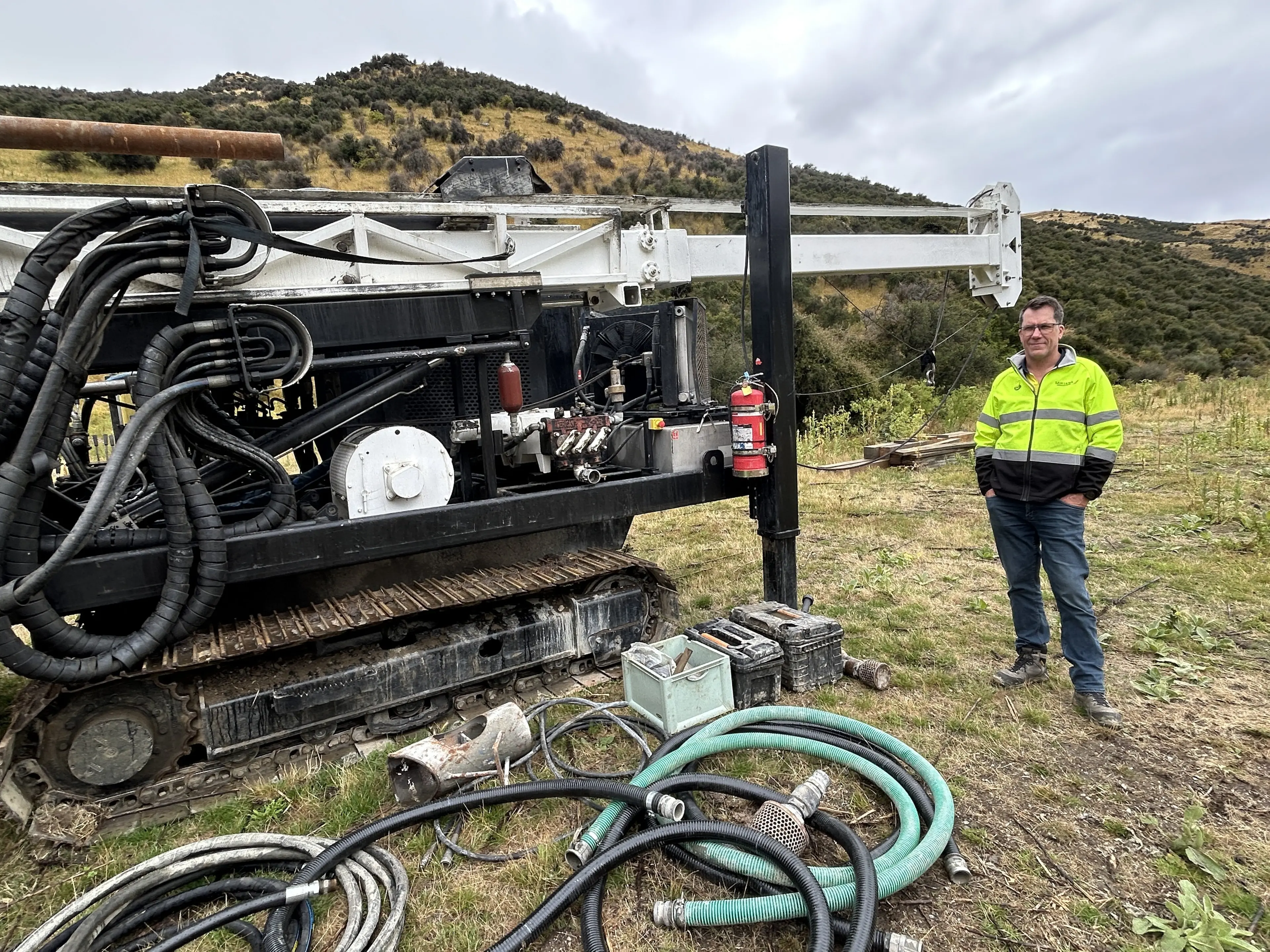
The flood of job applications landing on his desk each week is a clear answer to critics of the proposed Bendigo goldmine, Santana Minerals chief executive Damian Spring says.
More than 100 applications a week — about two dozen CVs a day — showed people were ‘‘hungry for well-paid, career-based jobs and real opportunities for their families’’, he said.
For Mr Spring, a veteran of underground mining projects in South America, Australia and at Macraes in East Otago, the debate around the mine feels stuck in another era.
Concerns about the project so far have been vocal, as a yet-to-be appointed expert panel of up to seven people is expected to begin assessing Santana’s application for resource consent for its mine next month, under the government’s new fast-track legislation.
People’s worries are many-fold and include its potential environmental and landscape impact, risks to water, the fast-track consent process, weak community engagement, a perceived lack of transparency and information and the impact on existing local economies.
The most vocal opponent thus far, environmental action group Sustainable Tarras, argues it is not just about whether a mine could operate legally — it is about whether it should.
The group did not respond to a request for comment on Mr Spring’s remarks in this story.
Mr Spring said Santana was not interested in ‘‘re-fighting arguments that New Zealand law, science and experience have already resolved’’, but in building a project designed to stand up over decades.
While mining would begin at the surface, the operation would transition underground by year five — the phase Mr Spring said most of the project’s engineers, who came from underground backgrounds, were most excited about.
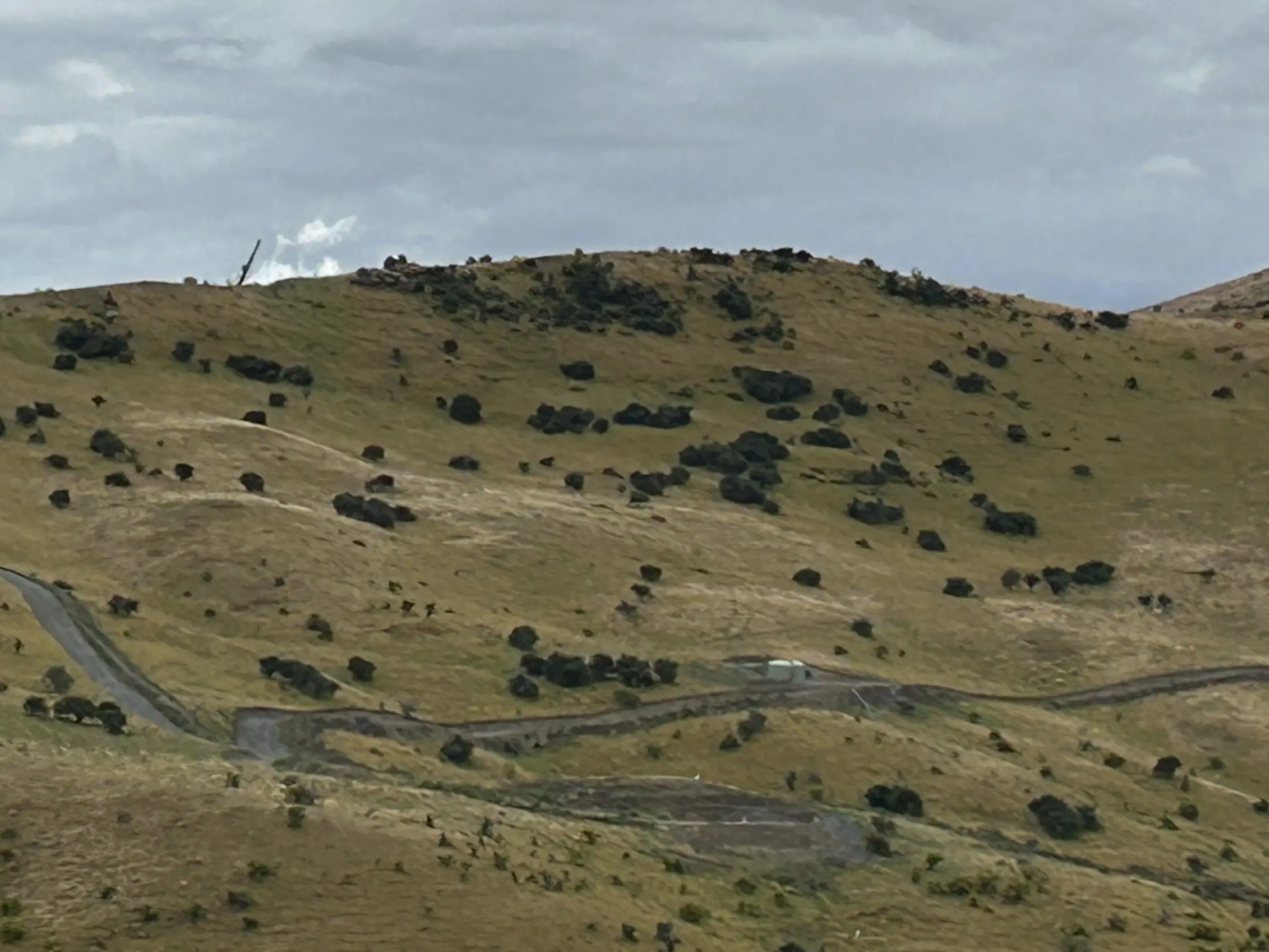
Opposition to the project, he said, relied on outdated fears rather than modern realities.
‘‘Being anti-mining in 2026 isn’t radical — it’s lazy,’’ Mr Spring said.
‘‘Every phone, battery and wind turbine depends on mined materials. The only real question is whether we produce them responsibly here, or outsource the impact somewhere we don’t control.’’
Concerns about chemicals such as cyanide and arsenic were dismissed as ‘‘ghost stories told to frighten children’’.
Cyanide was one of the most studied and tightly regulated substances in modern industry, he said, noting that far less controlled chemicals were routinely sprayed across farmland.
‘‘And no-one calls that an emergency.’’
Arsenic, he said, was not invented by mining but was a natural part of Otago’s geology — present in schist, soils, vineyards, homes and even fireplace ash.
‘‘Mining didn’t put it there — nature did,’’ he said.
‘‘What mining does is measure it, manage it and regulate it.’’
Cyanide used in processing would be broken down on site, reduced to about half the level allowed under New Zealand drinking water standards, and further degraded by sunlight.
At the end of the process, weak acid dissociable cyanide would be below 0.5 parts per million — far under the 50ppm threshold considered safe for wildlife in a discharge.
Naturally occurring arsenic from the ore would be solidified and contained within the tailings slurry.
The area to be mined was ‘‘just naturally high in arsenic and also gold, which is part of the same mineralisation’’.
Mr Spring said the operation would be similar to Macraes and involved no new or untested substances — only chemicals already widely used in New Zealand, including lime, caustic soda, cyanide and diesel.
Of the roughly 3000 hectares available to Santana, about 600ha would be disturbed by mining. About 2200ha would be set aside as permanently fenced ecological enhancement areas.
Bendigo Station would continue high-country farming in the area.
A closure and rehabilitation plan was already in place for the end of the project, at least 14 years away and potentially longer if extensions were approved.
Ultimately, the mine’s fate rested with the fast-track approvals process now under way, but Mr Spring said he was confident consent would be granted.
Consented exploration-stage work was already progressing, including water infrastructure and road upgrades, and major equipment had been ordered — with delivery times of up to six months.
By then, Mr Spring expected work to be under way, despite submitters telling fast-track panel convener Judge Jane Borthwick they needed more than the 60 days allowed to assess the company’s proposal, which is more than 9000 pages long.