
PHOTO
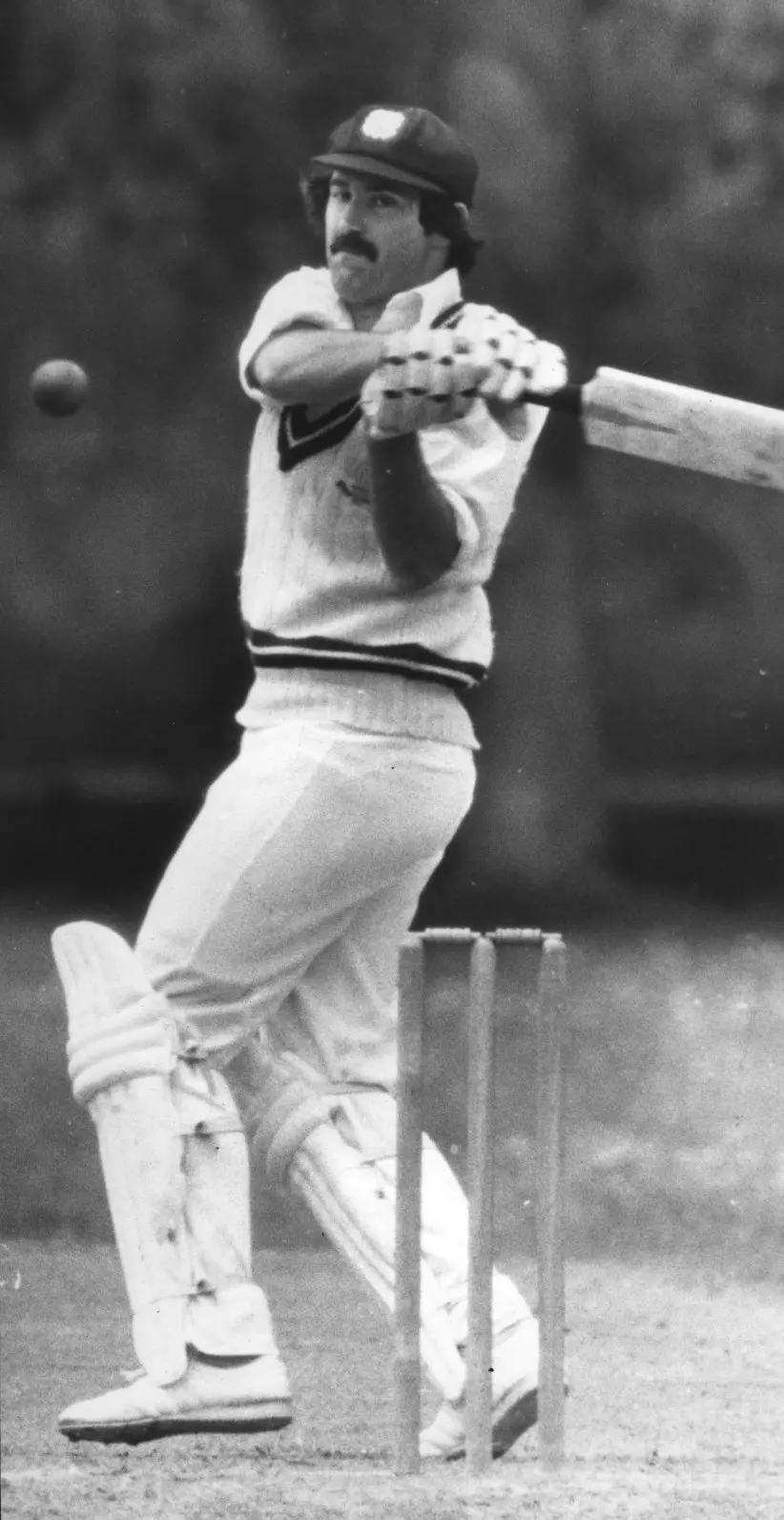
Ian Rutherford was a ‘‘guiding light’’ for his sons, an inspiration for his younger brother Ken and a damn good cricketer who was unlucky not to play for his country.
He was also responsible for a small chip out of the corner of the Plunket Shield.
More on that later.
Ian Alexander Rutherford’s life was cut short in a car accident near Ettrick on April 2.
He was 68.
His sudden death rocked the tightly knit Central Otago community and wider Otago cricket community.
The former Otago opener was perhaps one of the unluckiest players not to have played for New Zealand.
John Wright and Bruce Edgar had a mortgage on the opening slots at the time and he was unable to crack the national team.
But ‘‘Ruds’’ was an ever-reliable member of the Otago team from 1974-75 to 1983-84, during which time he also played one season for Central Districts and had a year with Worcestershire in English county cricket.
The right-hander played 79 first-class games.
He scored 3794 runs at an average of 27.10, including five centuries and 16 half-centuries. He also nabbed a couple of wickets and scored 449 runs in 21 list A games.
Otago cricket stalwart Warren Lees played alongside Rutherford during a very successful period for the province.
The pair were the best of friends and were flatmates for about a year as well.
Lees had no doubt Ian had the ability to play international cricket.
‘‘I always believed it was a toss-up,’’ Lees said.
‘‘And Ruds was the very, very unlucky player who didn’t get selected.
‘‘Both John and Bruce went on to be very successful, don’t get me wrong.
‘‘But it was seldom that you have three players so close.
‘‘I don’t know if it really affected him too much, but everyone had an opinion about it.’’
Rutherford’s crowning achievement was arguably the marathon knock of 222 he posted for Otago against Central Districts during the Shell Trophy final in March 1979.
He batted for more than 10 hours.
Lees was out in the middle with him for a stretch and helped coach him through a rough patch.
‘‘He was getting towards 200 and I’ll never forget ... he came down the wicket and he said to me, ‘Leesy, Leesy, I’m getting cramp in my arm’.
‘‘I asked which arm? And he said, ‘both arms’, and I said, ‘what do you mean?’.
‘‘And he said, ‘I’ve got cramp in my leg as well’.
‘‘And then he said, ‘stuff it, I’ll just hit boundaries’, and the very next over, he hit four fours because he didn’t want to run.’’
Rutherford was not particularly fond of running.
Nor walking apparently.
Cricket took a toll on his body.
He was more mobile following a hip replacement.
But according to his youngest son, Lachlan Rutherford, one of his favourite sayings was ‘if I want to go for a walk, I’ll go for a walk. If I want to play golf, I will take a cart’.
He loved sport.
Cricket, football, bowls, golf and horse racing were all dear to his heart.
He also enjoyed watching rugby and grew to love basketball when Lachlan started playing.
Ian was born in Dunedin on June 30, 1957.
He was the second child of Alec and Annie Rutherford, who were Scottish immigrants from Aberdeen.
He grew up in Oxford St in South Dunedin alongside his older sister Linda and his younger brothers Neil and Ken.
Ken went on to play 56 tests and 121 ODIs for New Zealand and said they had a typical upbringing for the time.
The Rutherfords were stoic and not prone to outbursts of lavish affection. But they all got along and cared deeply for each other.
Ian was eight years older than Ken so there were not a lot of backyard cricket games, but there was a lot of extra cricket gear.
‘‘I remember getting one of his Crown cricket bats back in the mid-70s and taking it to a game of primary school cricket.
‘‘It was about five sizes too big.
‘‘It was like trying to wield a massive log around the pitch.
‘‘And even going into my first class career for Otago, I dare say my brother was my main supplier of cricket gear,’’ Ken said.
Ian was also there to offer advice when needed.
‘‘He was always watching, and obviously, through his own prowess in the game, he had a lot of knowledge himself.
‘‘I wouldn’t say he was full of advice, but nor was he devoid of advice.
‘‘I think he struck just a nice balance and I think he understood my game better than a lot of other people.’’
Ian ‘‘was always the dependable guy’’.
He was consistent and solid and the source of ‘‘an awful lot of horse racing [tips]’’.
Ian attended King’s High School but left to play cricket for Albion in year 13.
He was a talented sportsman from a young age and a bright student who was particularly good with numbers.
He was driven and pursued a degree in commerce while playing cricket.
Ian started an accounting career at Deloitte in Dunedin and met his future wife, Jacqui, through future father-in-law and Dunedin publican Guy Smith, who had hosted a function for the Otago cricket team.
The pair married in Dunedin in 1981 and had three sons, Mitchell (1986), Cameron (1988) and Lachlan (1992).
Following his cricket career, the couple moved to Alexandra.
Jacqui had got a job teaching at Dunstan High School and Ian started an accountancy business.
When he was not crunching numbers, he would seize every opportunity he could to watch his sporty sons.
‘‘He was just a great dad,’’ Mitchell said, adding it was still very raw.
‘‘He did all the things that parents aspire to do.
‘‘He put his family first at all times.
‘‘He would umpire cricket, he would coach cricket, he would score cricket.
‘‘Often all at the same time.
‘‘He would be driving us around Central Otago to take us to sporting events.
‘‘He had a lot of good life still to live, so it was a really tragic situation, but we all loved him a lot and lots of good memories to reflect on.’’
He was a ‘‘guiding light’’, Cameron said.
‘‘He had some amazingly good advice about rugby for someone who had never actually played a game of rugby.’’
Lachlan injured his shoulder when he was younger and pursued cricket umpiring for about 10 years.
‘‘He was really proud of my achievements in that area.’’
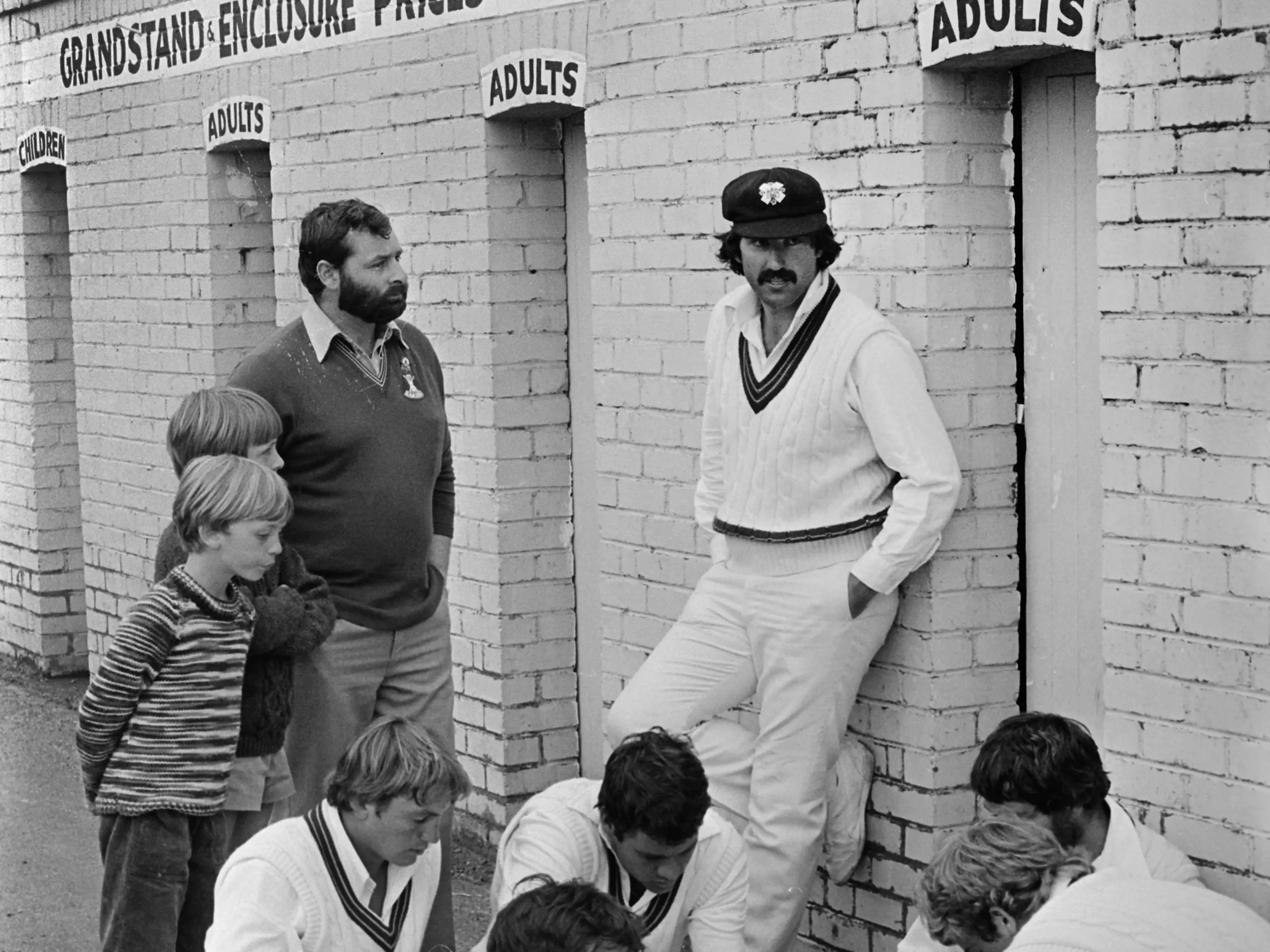
Ian was a very active member of the Central Otago sporting community.
‘‘He served as the chief executive of the Central Otago Cricket Association and coached at club and schoolboy levels.
He also had a stints as the secretary of the Central Otago Trotting Club, treasurer of the Alexandra Golf Club and as the financial controller at the Alexandra Districts Club.
‘‘He was really strong in networking,’’ Cameron said.
‘‘He was always interested in getting to know people and connecting with people in Alex.’’
Sport took up so much of his time, that he was not always up to date in other cultural spheres, like the time he went to Stevie Nicks’ concert expecting to see a male singer.
He could take a one-handed catch on the sideline without spilling his beer.
‘‘He was a big, cuddly bear in a funny way and he didn’t have enemies.
‘‘Everyone just liked Ruds, they just liked him because he was just take it or leave it,’’ Lees said.
‘‘He was a real South Dunedin boy.’’
He was a reliable presence at the top of the Otago order, someone you could count on, Lees said.
But as a Plunket Shield custodian, he had some shortcomings.
According to Lees, when they were flatting together, ‘‘Ruds’ room had an extremely drafty fireplace’’ which had been decommissioned.
‘‘One night, there was some banging coming from his room.
‘‘And he’s wrapped a blanket around the Plunket Shield and he was shoving it up the chimney to stop the draft.
‘‘There’s a wee chip off the top left-hand corner where it got stuck up the chimney.’’ — Adrian Seconi