
PHOTO
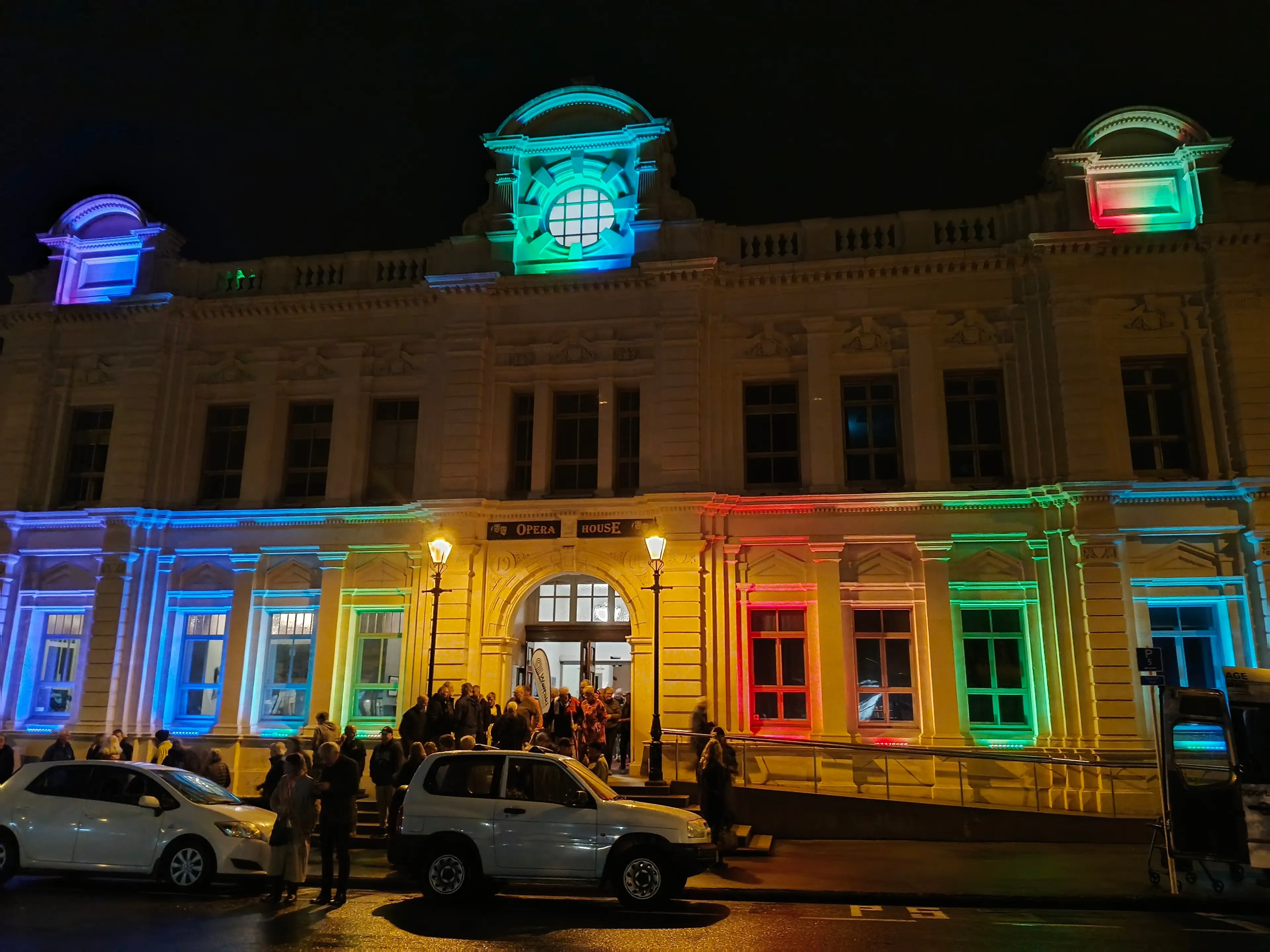
The council needs to be ‘‘open about the challenges facing Waitaki in the coming financial year’’, the district’s mayor says.
This week, along with councillors, Waitaki District Mayor Mel Tavendale faced the fury of a 500-plus crowd at the Oamaru Opera House in one of three community meetings on a proposed rates rise between 19% and 45% next year.
Yesterday, Mrs Tavendale thanked those who attended the rates consultation meetings in Otematata, Palmerston and Oamaru.
‘‘We know this is a difficult conversation to have, but it’s necessary to be open about the challenges facing Waitaki in the coming financial year.
‘‘As mayor it’s my job to front up to the community and take responsibility for the decisions council has to make.
‘‘The mayor and councillors are the ones who make the decisions, so it’s right that we show up and explain the situation to the community.
‘‘In the end, we will decide on the rates as the elected representatives for the ratepayers.’’
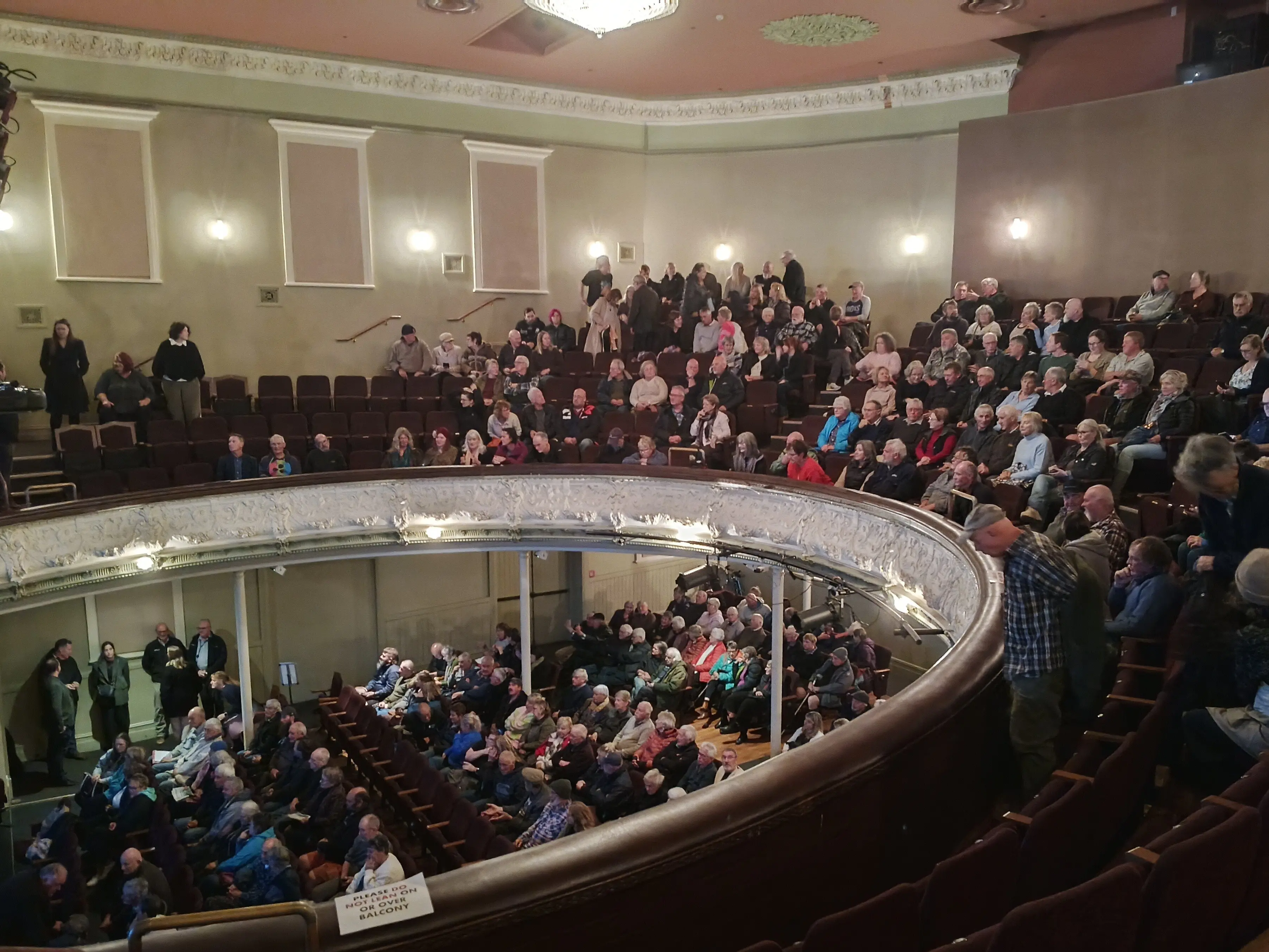
The council had already received 250 submissions on its annual plan, the most the council had received ‘‘for a long time’’, she said.
On Wednesday night in Oamaru, a homeowner of 10 years said she was having to sell her property and coming to terms with the fact she might end up with a tiny home, or a caravan, ‘‘not her dream home’’, at the age of 58.
A pensioner told councillors that part of his pension already went to his rates bill and the 45% option would leave him with ‘‘no money to live on’’.
A ratepayer of 35 years, who was now in arrears, asked what a person should do if they could not pay their rates.
She said she had fallen behind with her rates payments and this meant being charged a late penalty of 10% on every instalment not paid by the due date, which ultimately ended up being passed on to her mortgage provider.
She was not being helped and had rung the council numerous times about the issue but no-one had returned her call.
‘‘That’s not OK,’’ Mrs Tavendale said.
She confirmed the late payment penalty was 10% and that the council was looking at what would happen if people were unable to pay their rates.
She said that the 10% was ‘‘probably not appropriate’’.
Another resident said it seemed to him the council was ‘‘willing to push their ratepayers into poverty and force them into living off an austerity budget while not imposing that same level of austerity on themselves’’.
Five Forks farmer Jane Smith said there should be austerity measures at the council to reflect the struggles the community was going through and that everyone needed to ‘‘hunker down’’.
Another ratepayer said she was there to represent already struggling parents and schoolchildren who could not be there on the night.
She highlighted that the meeting was on a school night and there were many parents who would have been unable to attend or find childcare.
She also raised concerns that landlords would pass on the cost to renters.
Mrs Tavendale said council staff were scrutinising budgets as part of the long-term plan.
Waitaki would be a much smaller council once Three Waters went out, she said.
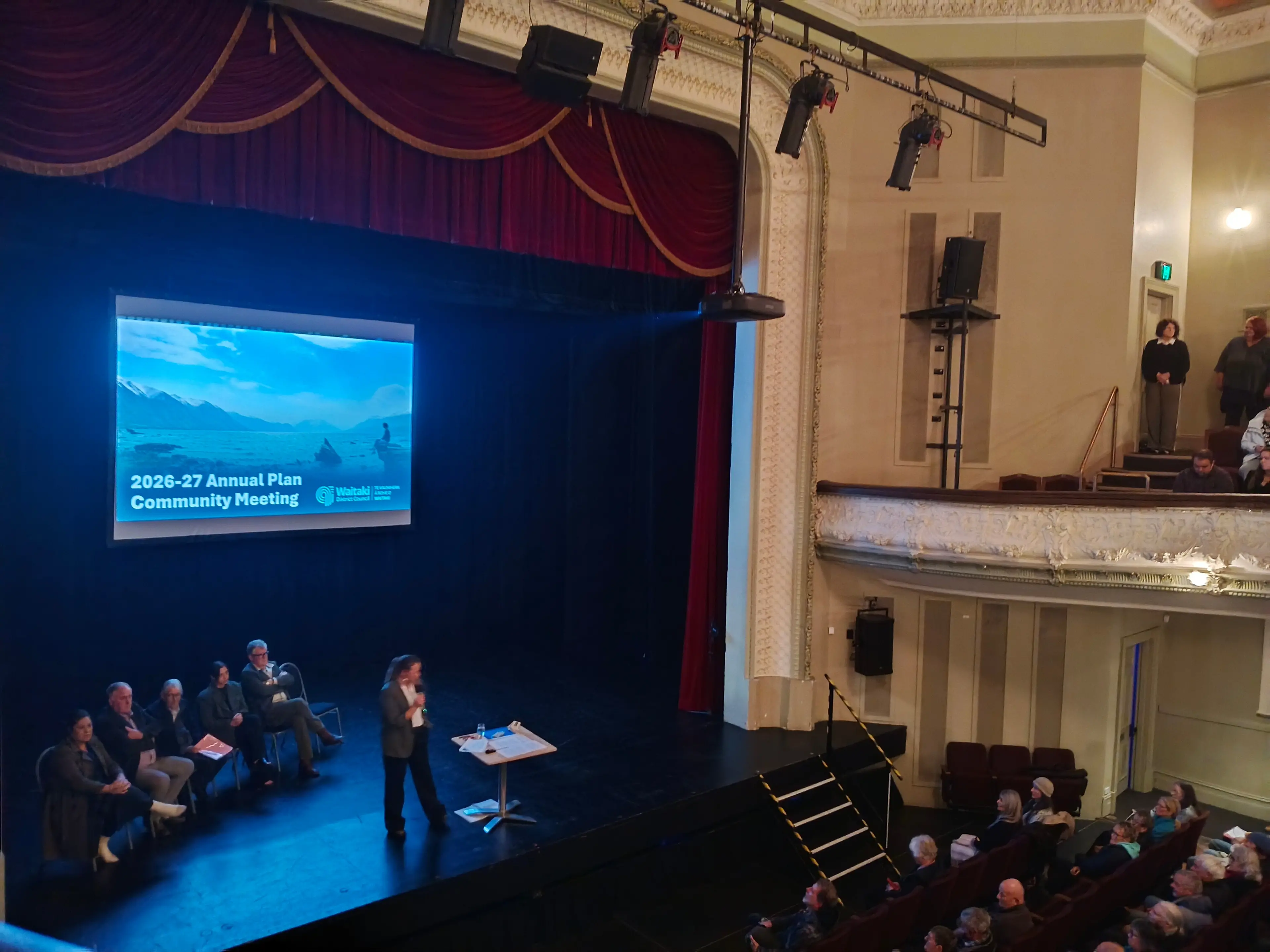
The mayor had earlier run through slides summarising the council’s position.
She was flanked by deputy mayor Rebecca Ryan and fellow councillors Hana Melania Fanene-Taiti, John McCone, Dan Lewis and Jim Hopkins, while councillors Frans Schlack, Courtney Linwood and Jeremy Holding passed microphones around the crowd.
Conservative lobby group Taxpayers’ Union yesterday issued a statement calling the consultation under way a ‘‘stitch-up’’.
Spokesperson Tory Relf noted councillors rejected consulting ratepayers on a 9% rates increase option and instead were only presenting options of 19%-45%.
While ‘‘budget adjustments’’ could not be avoided in the district in order for the council to fulfil its water delivery requirements, ‘‘efficiencies could still be found elsewhere’’.
‘‘The real scandal is that council apparently knew there was still a lower option and chose not to put it to the public.’’
In response, Mrs Tavendale said the council’s long-term plan had forecast a 7% rates rise next year — but that increase was forecast in July last year when the Official Cash Rate was around 3.25% and falling, and inflation was about 2.7%.
‘‘That’s not the uncertain, cost increasing, financial situation council finds itself in now.
‘‘In the last three months we’ve seen fuel prices rise dramatically, affecting our existing 2025-26 contracts.
‘‘Looking ahead, potential 30% increases for delivering our road and water maintenance programmes, as well as our mandated water infrastructure upgrades, mean council must ensure it has enough money to fund the essential infrastructure and services in the 2026-27 financial year.’’
She said in recent years the council had ‘‘artificially kept rates low’’ in the face of increasing costs and government mandated investment in infrastructure.
‘‘Councils have the real-world responsibility of delivering services, upgrading infrastructure and complying with government legislation — and finding the most financially sustainable way to fund that with the limited options available to us,’’ Mrs Tavendale said. — Additional reporting Jules Chin