
PHOTO
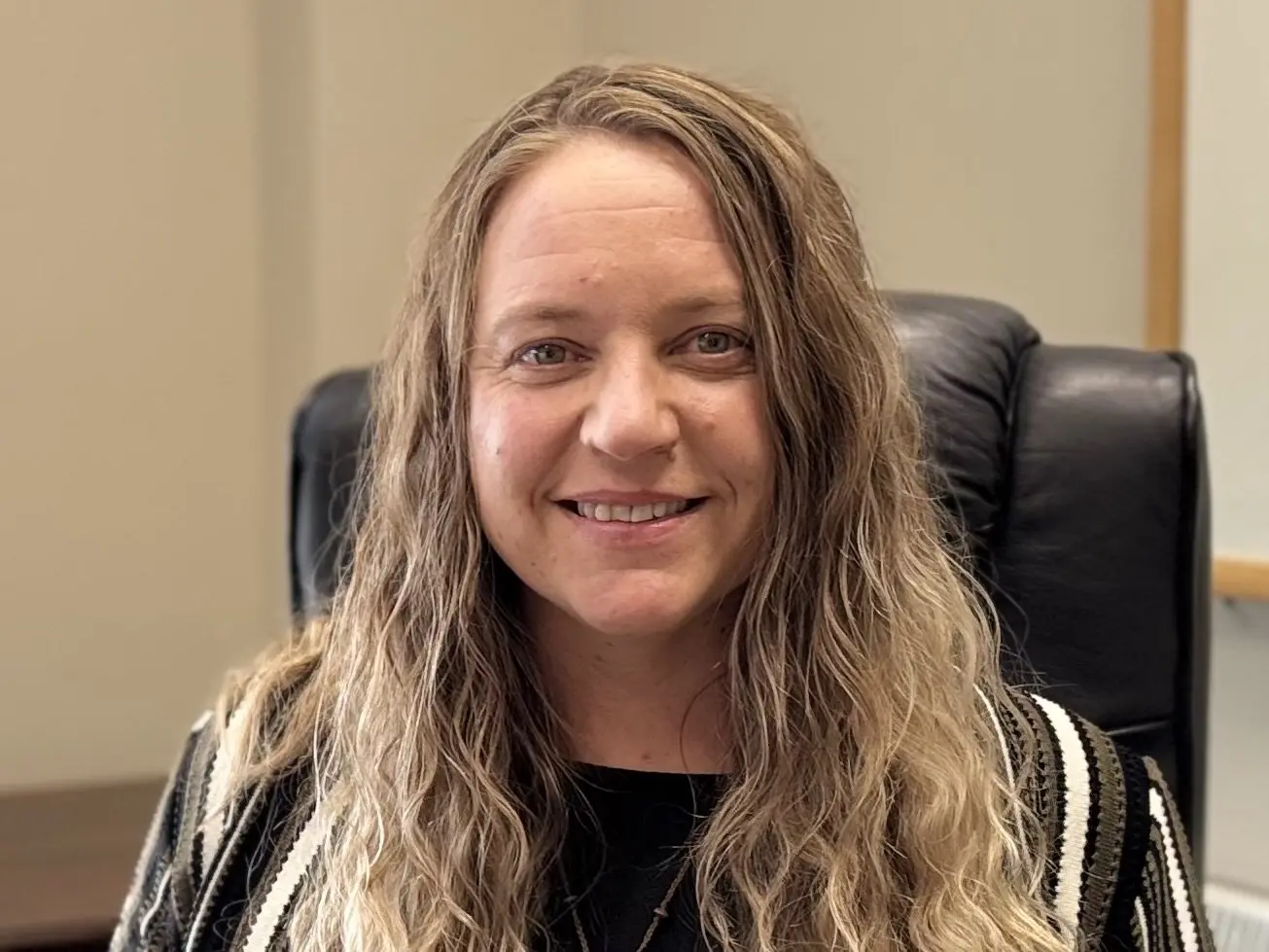
A government-imposed district rates cap will bring "clarity" to future planning but some fine details still need to be worked out, Waitaki Mayor Melanie Tavendale says.
"Monday’s announcement of a proposed cap on rates, excluding water charges and some other fees and charges, will bring clarity to the council’s future planning for 2026’s Annual Plan, and 2027’s Long Term Plan,’ Mayor Tavendale told the Oamaru Mail on Tuesday.
"However, we have yet to fully digest the detail of the Minister’s proposals and are carefully going through the fine print to discover the impacts, good and bad, on our ratepayers and the services [the] council delivers.
"Through all the government’s proposed changes, our aim remains to get the best outcome for our community — and deliver the services that they need in an efficient and cost-effective way.
"We will share details with our communities as they become clear to us and will always seek your input where it is appropriate."
Local Government Minister Simon Watts said the government is introducing a new model that sets a target range for annual rates increases, based on long-term economic indicators like inflation at the lower end and GDP growth at the higher end.
"Analysis suggests a target range of 2% to 4% per capita, per year. This means rates increases would be limited to a maximum of 4%," Mr Watts says.
"A minimum increase is necessary so councils can continue to provide essential services like rubbish collection, council roads maintenance and the management of parks and libraries."
The cap will apply to all sources of rates — general rates, targeted rates and uniform annual charges — but will exclude water charges and other non-rates revenue like fees and charges.
"Councils will not be able to increase rates beyond the upper end of the range, unless they have permission from a regulator appointed by central government.
"These new rules will be a big change, and many councils will need time to adapt, which is why there will be a transition period starting from 1 January 2027," Mr Watts says.
"From 2027, councils will be required to consider the impact of rates caps on their long-term plans and report on areas of financial performance, like the cost of wages and salaries, council rates as a percentage of local house prices and estimates of local infrastructure deficits.
"The full regulatory model will take effect by 2029. However, officials will be monitoring rates rises nationwide as soon as the legislation is enacted. Where councils propose increases beyond the proposed cap, this may present grounds for intervention under the Local Government Act."