

Although the garden appears to be resting, July is one of the best months for preparation. A good winter tidy-up makes a huge difference. Rake leaves from around roses and shrubs where insects shelter over winter, then spread manure-enriched compost around deciduous plants, roses and hydrangeas so nutrients are ready when spring growth begins. A layer of fresh mulch will protect the soil, suppress weeds and help retain warmth.
Winter gardens have a beauty all of their own.

Pruning: Before reaching for the secateurs, take time to understand how a plant grows. Spring-flowering shrubs bloom on last season’s wood and are best pruned after flowering, while late-summer bloomers flower on new growth and can be pruned harder during winter.
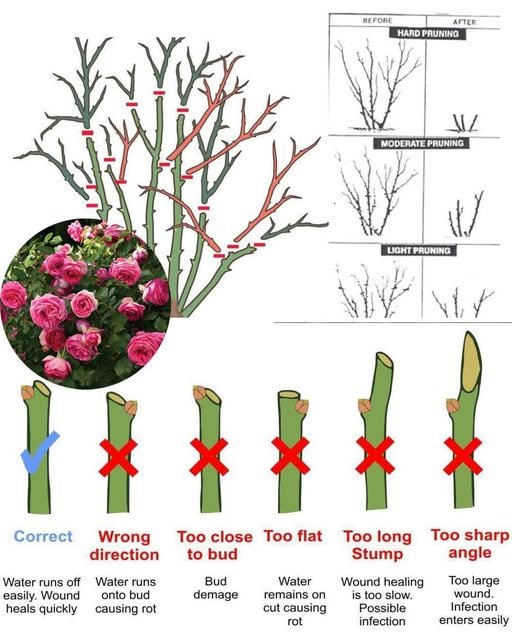
July is also prime rose-spraying and pruning roses: First spray lime sulphur to defoliate bushes, then, after pruning in late July or early August, spray with Champion Copper and Conqueror Oil. Roses are remarkably forgiving when pruned. Remove dead or damaged wood, open the centre of the bush and reduce growth by around two-thirds.
Climbing roses benefit from having their main canes trained horizontally, while Fairy and Flower Carpet roses respond well to a quick trim with a hedge trimmer, then thinning with secateurs.
Bare-rooted deciduous trees are arriving in garden centres, making this an excellent time for planting while the soil is moist. Compost heaps naturally cool during winter, but adding a sprinkle of lime and layers of manure and insulating with straw or bags of leaves helps keep beneficial organisms working.
Vegetables: Plant winter veg, garlic and shallots in well-drained soil, add compost, aged manure and a light dressing of lime to empty beds. Chit (sprout) early potatoes indoors. Raised beds warm earlier and drain better.
Fruit: Continue planting deciduous fruit trees, avoiding frosty hollows for early-flowering varieties such as plums, pears and apricots. Prune peaches and nectarines in early spring and cherries in summer. Avoid pruning apples too hard in winter, as it encourages vigorous water shoots; a lighter winter prune followed by summer shaping produces a healthier, more balanced tree.


