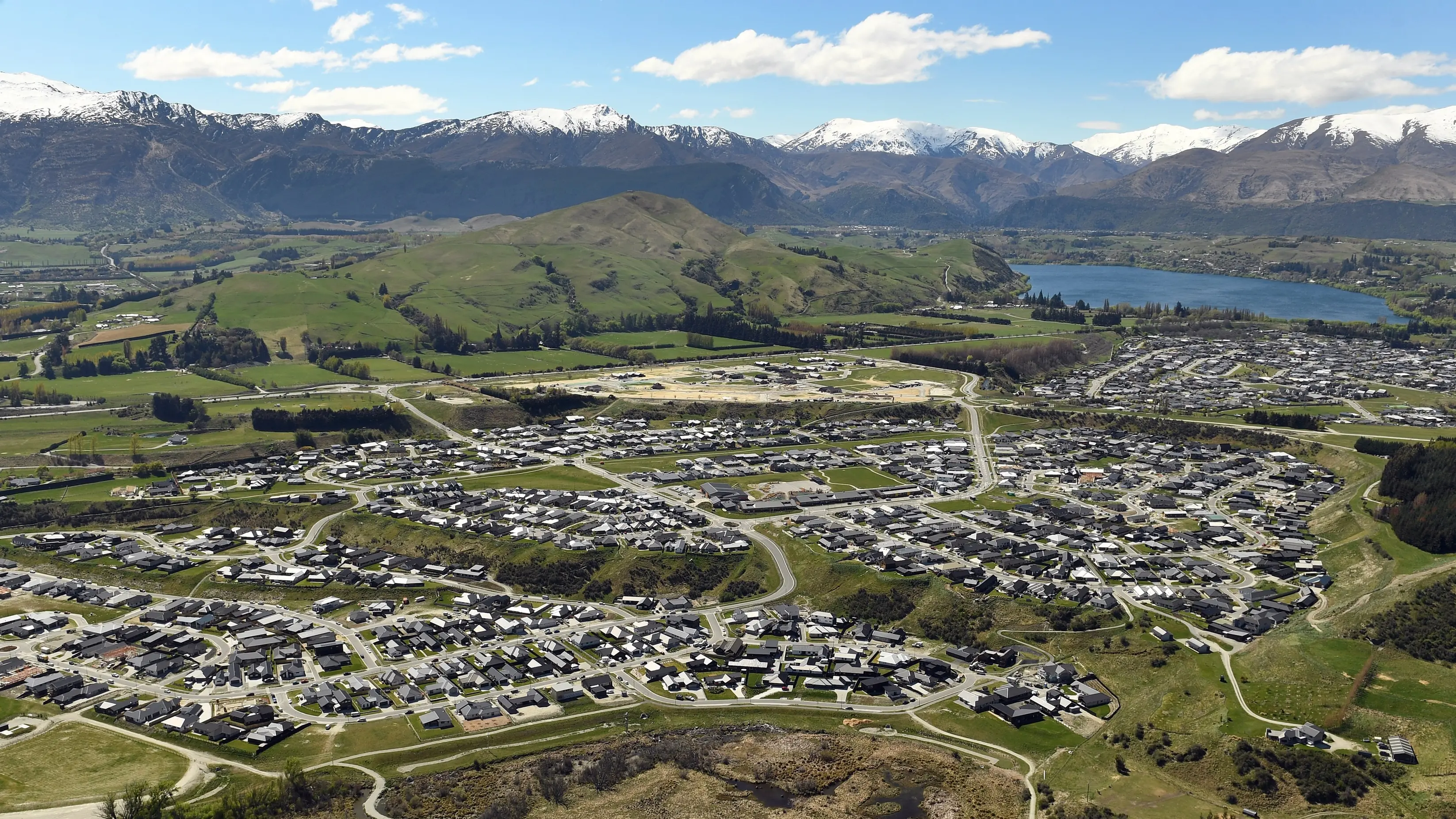
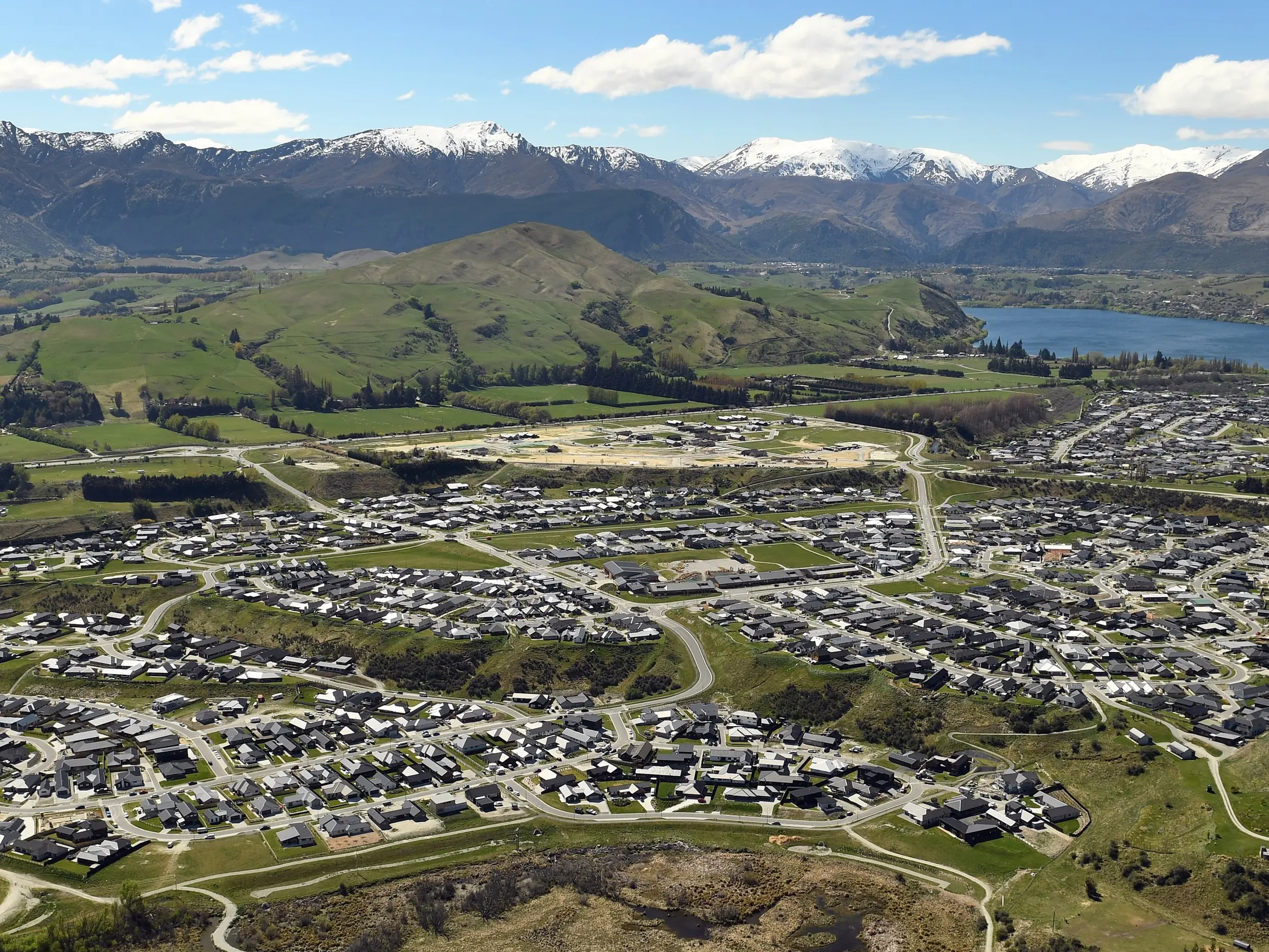
The Otago Regional Council may appeal to government ministers in an effort to change a conservation order, after a significant part of the resource consent applications for Shotover Delta flood protection work was turned down.
A decision on the consents - to extract gravel, build a training line, form a runway safety extension for Queenstown airport and provide for the disposal of wastewater on the Shotover Delta - was released to the regional council yesterday.
Independent commissioners Trevor Shiels, Dr Jeff Jones and Mike Bowden made their decision after a six-day resource consent hearing in Queenstown in February.
The international status of Queenstown Airport was supported, with the commissioners' approval to excavate gravel from the river bed.
Up to 1,070,000cu m of gravel would be used to build a 90m-long, 45m-high engineered fill on the western bank of the Shotover River.
The fill would be the platform for a runway end safety area at the eastern end of the existing runway, as required by the Civil Aviation Authority, by October 12, 2011.
However, chief executive Graeme Martin broke the news to the engineering and hazards committee of the regional council yesterday morning that while the majority of consents had been approved, consents relating to the training line had not.
The 1km curved training line on the delta bed would redirect the river to its true left, to allow sediment to be flushed downstream instead of accumulating.
Its aim was to reduce the impact of Shotover River flows on high lake levels.
Commissioners yesterday granted the consents needed for the training line from the Queenstown Lakes District Council, but declined those needed from the regional council.
The decision said the regional council needed to address the "significant tension" between its own regional water plan; the statutory protective Water Conservation (Kawarau) Order 1997; and the training line concept.
The regional council, QLDC, and the Queenstown Airport Corporation now needed to think about their next steps, Mr Martin said.
That could mean appealing the decision to the Environment Court, or, "given the order has no rationale", go to the ministers of conservation and environment to highlight the problem and "seek that they exercise their authority to change the order".
The applicants could also do both.
"I feel quite strongly we should take that line," Mr Martin said.
Applicants had provided legal advice to the panel that the order should not impact on the training line, he said.
The line would not dam the flow of the river and modelling had shown that even in 2002 high flow, it would only have a small effect on the flow.
The delta had also changed a "good deal" in the 15 years since the order came in and there had been three major floods.
Cr Duncan Butcher said he had always thought the order did not stop the council from protecting the community with flood protection works.
Issues regarding flooding in the Queenstown area had been around since he was first elected in 1989 and this proposal was one shown to reduce the effect of future floods.
"The whole issue is distressing. Disappointing."
Cr Bryan Scott suggested a report on the options available be put to the council at its next meeting in a fortnight, which councillors agreed to.