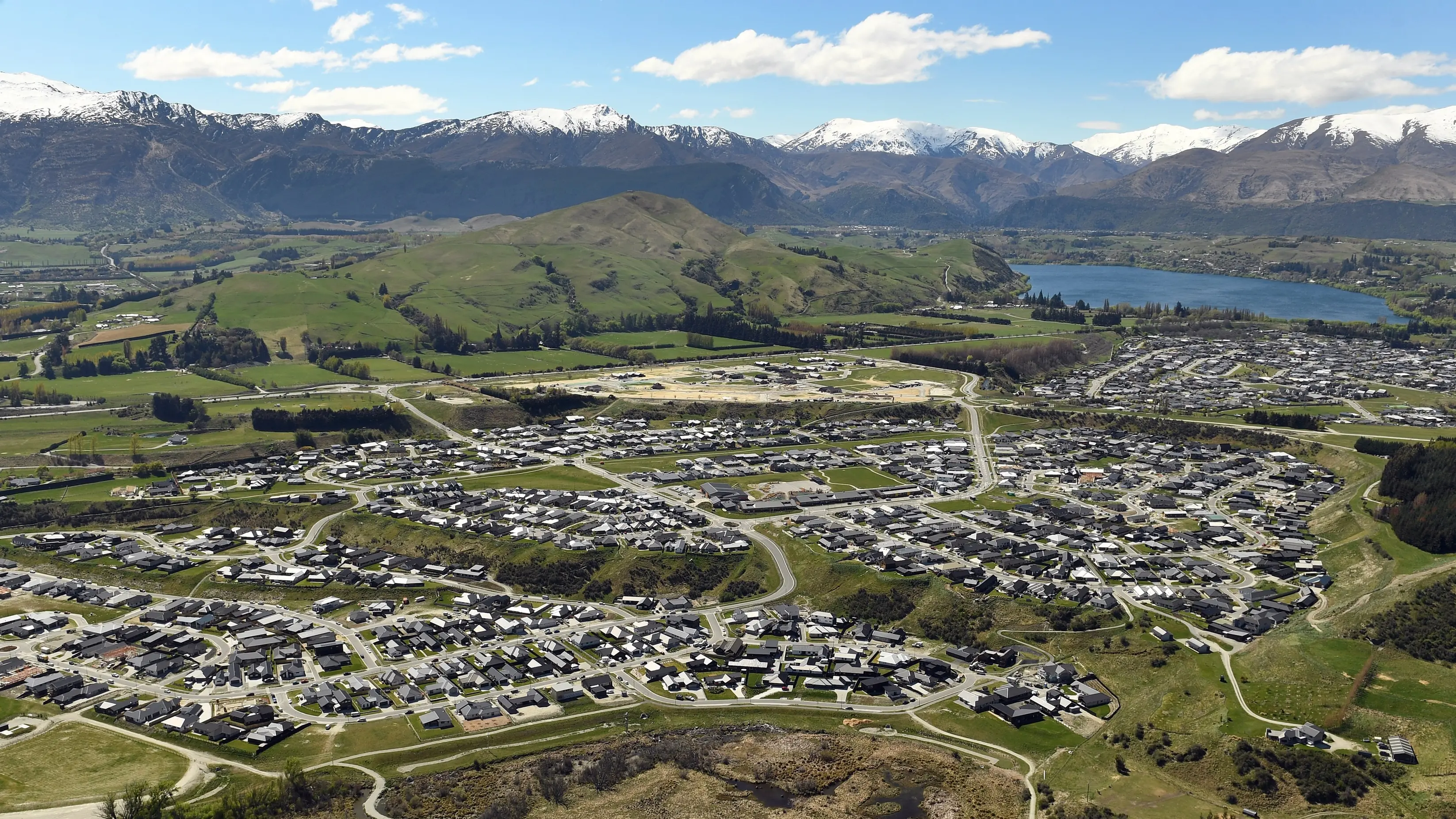
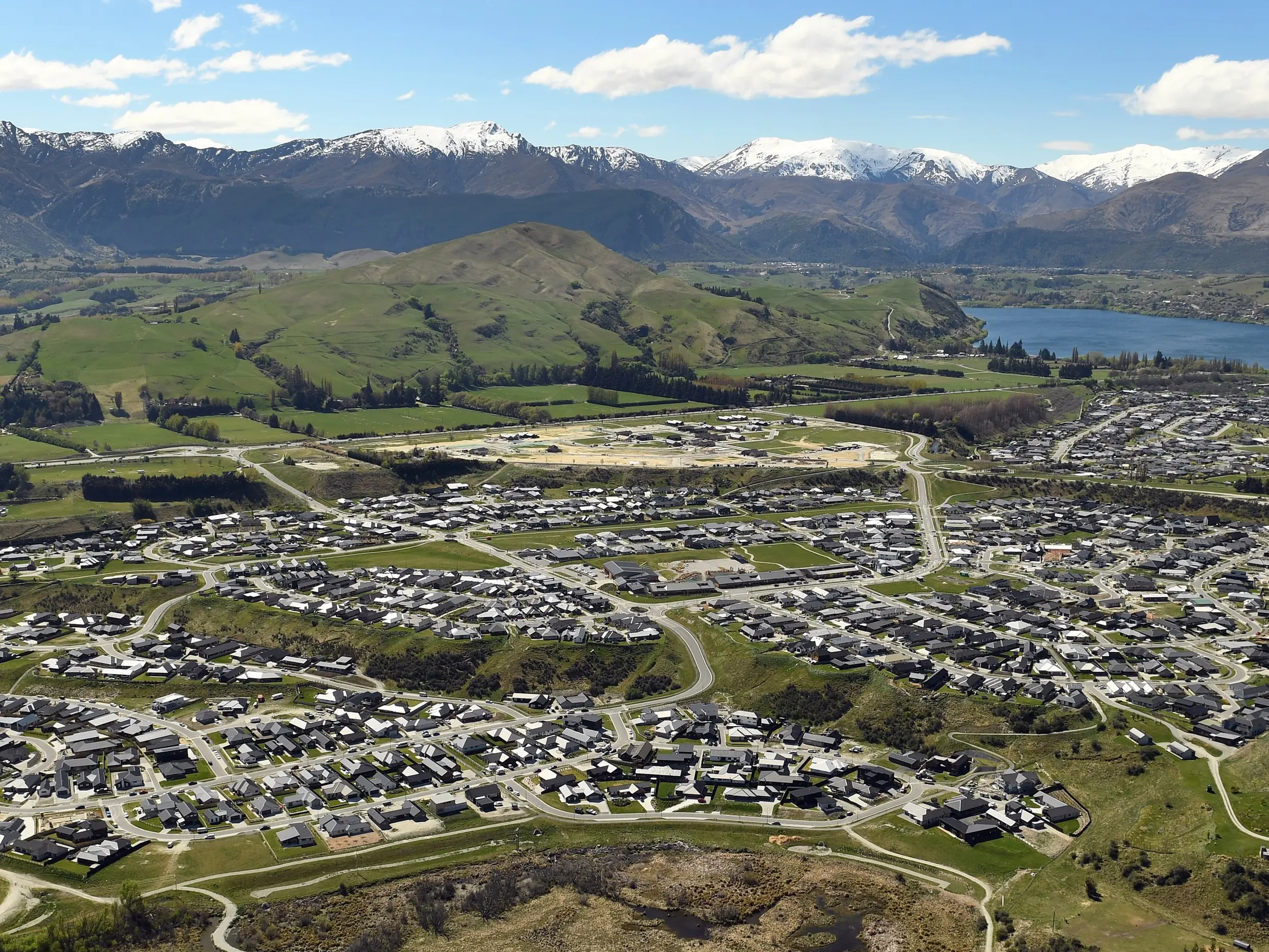
Lisa Johnston and her daughter Awa Inwood at their farm in Queensberry where they have become self-sufficient and sell food locally. PHOTO: OLIVIA CALDWELL The Upper Clutha region is at serious risk of needing to double its food supply in the coming decades, a food resilience report warns. Working As One (WAO) Aotearoa and Southern Lakes Kai Collective released a food resilience report recently which showed the Queenstown Lakes District needed to look at homegrown food for better resilience and emergency preparedness. The report outlined the root of the issue was not only the region’s population and visitor growth but its dependence on imported food through supermarkets. Up to 95% of the district’s 34,748 tonnes of food was transported by plane or truck. The region’s growth played a major part in the urgency of the issue and if the trajectory continued, the Queenstown Lakes District might exceed Dunedin’s resident population by mid-2030. The report concluded the amount of food the district required every year was set to reach between 63,000 and 95,000 tonnes by mid-2050, meaning demand could double or even triple in less than three decades. Southern Lakes Kai Collective co-ordinator Babu Blat said the report should come as a wake-up call. Given the area’s reliance on supermarkets alone meant any delays or road closures could mean a delay in the area being fed, especially in emergencies, she said. The report also offered a glimpse of hope, explaining there was still an opportunity to make changes if households, businesses and councils supported a home-grown food economy. Ms Blat said most of the region’s locally sourced produce, such as meat and grapes, was exported and there was only a handful of people in the region growing fruit and vegetables for the community. Frog Song Farms co-owner Lisa Johnston has been running the small-scale market garden since 2017, alongside her family. The farm had just over half an acre dedicated to growing organic salad greens and herbs to sell to Fresh Link and local restaurants. The family farm was their main source of income, but it was not easy turning their passion into their livelihood, Ms Johnston said. An increase in local growing was much needed, but the cost of production was out of scale with the cost of land, she said. Having acknowledged the difficulties local growers face, community groups aimed to bridge the gap by looking for investments to assist interested local growers. This included continuing to apply for funding from Central Lakes Trust, Central Otago Trust and the Queenstown Lakes District Council. The council’s climate and biodiversity plan 2025-2028 promised to "strengthen the resilience of our local food system" with an estimated investment of between $20,000 and $100,000. Council resilience and climate action manager Bill Nicoll said they had been able to grow a range of food initiatives such as the Queenstown community harvest gardens, Grow Wānaka, Hāwea Food Forest, and KiwiHarvest. While it was a positive start, the council would need to continue funding initiatives and potentially look at reducing the red tape for those wanting to start growing, Ms Blat said.