
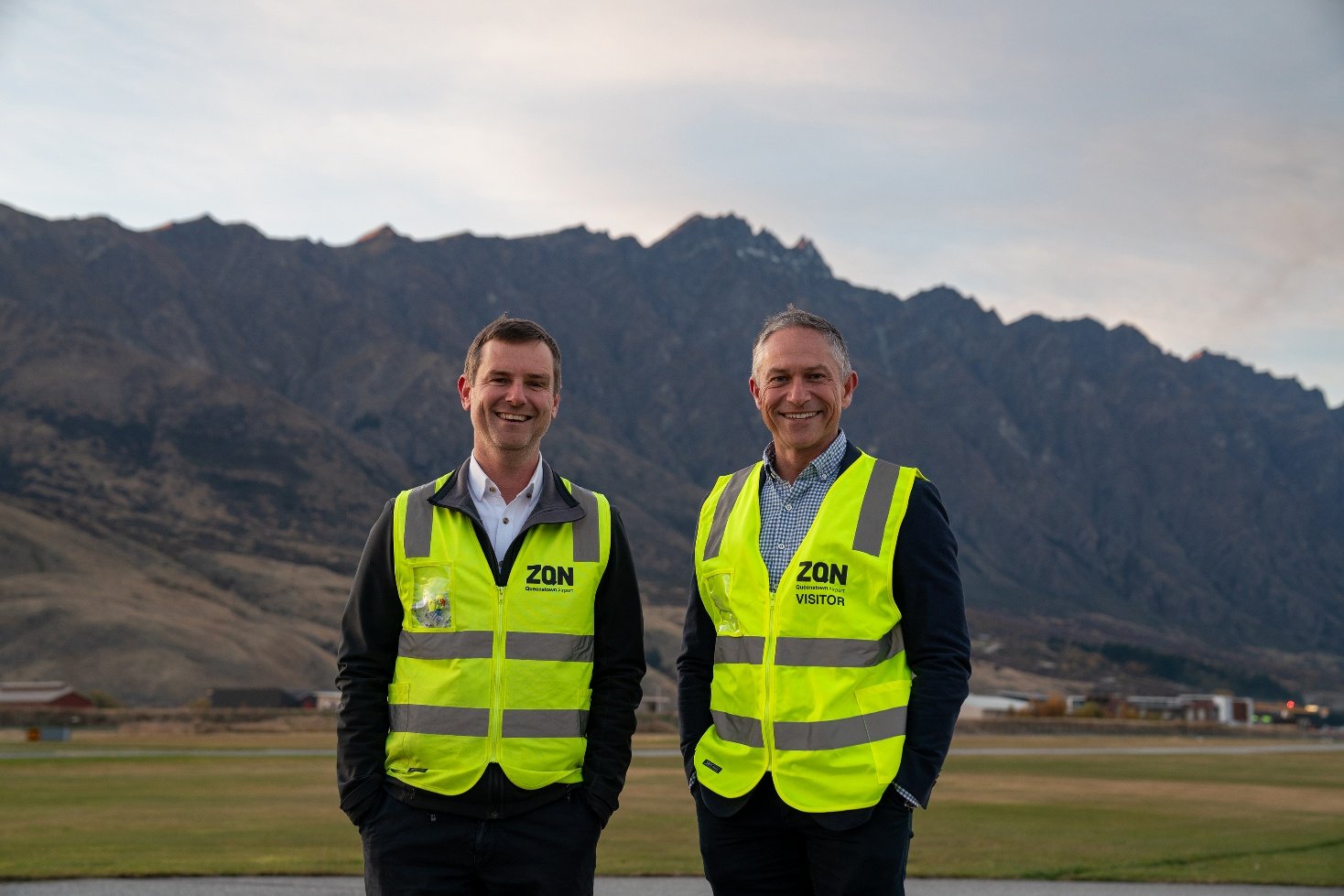
While the ‘‘Code C’’ heavy taxiway would not change the length of the airport’s runway, or enable the introduction of larger aircraft, Queenstown Airport chief executive Shane O’Hare said it would improve operational efficiency, particularly during peak periods or disruption.
The new taxiway, part of a $60m programme of works which also includes a runway overlay, would allow planes to move between the apron and runway more efficiently, and improve on-time performance and operational resiliency, he said.
At present, scheduled planes need to backtrack along the main runway after they land and before they leave. Once the 1600m heavy taxiway is constructed, planes landing will be able to use it to return to the apron, while aircraft leaving will use it to taxi to the threshold to take off, rather than down the runway.
In both cases, planes will spend less time on the runway, freeing it up for other aircraft.
Mr O’Hare said the new taxiway would reduce ground delays and the length of time pilots were asked to fly a ‘‘holding pattern’’ while waiting to land which would, in turn, enhance safety and lower fuel consumption.
Airport project manager Greg Emms said a pre-construction services agreement had been signed with Fulton Hogan and the project would be staged to allow construction to progress while the airport stayed open and operating.
Fulton Hogan project director Edward Husband said that would require ‘‘meticulous planning, specialist expertise and close collaboration’’.
An airport spokeswoman said they were hoping construction would start in July and finish ‘‘mid-2027’’.
There would be a combination of day and night works.


