PHOTO
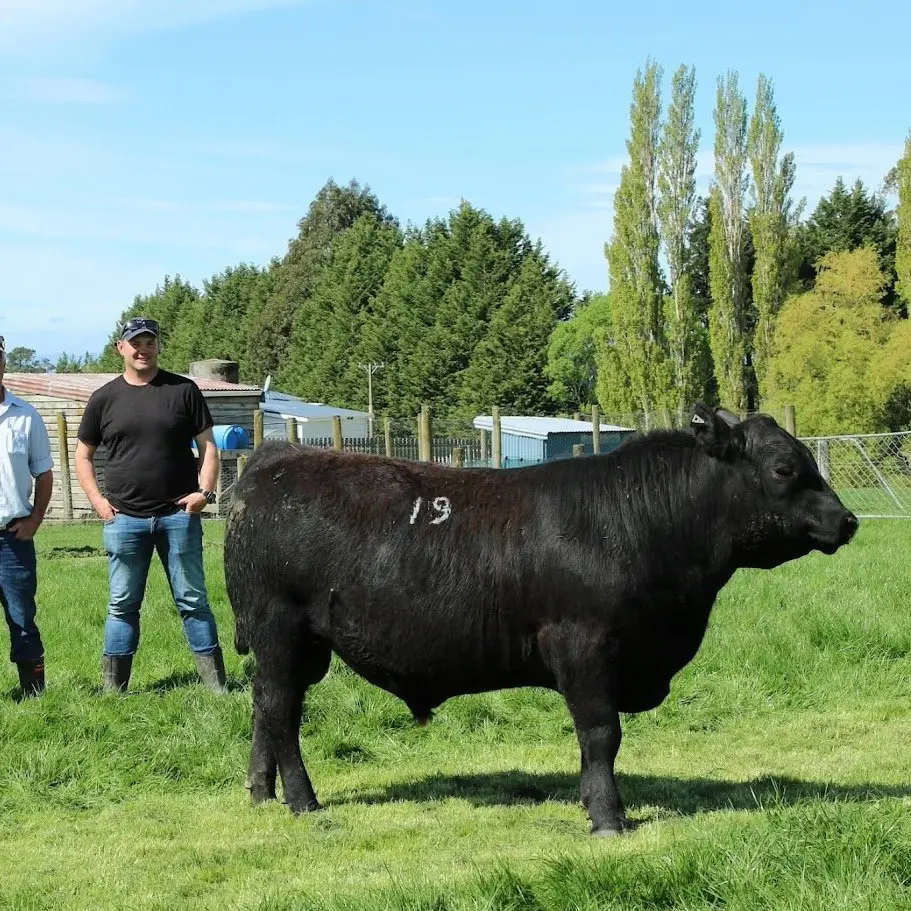
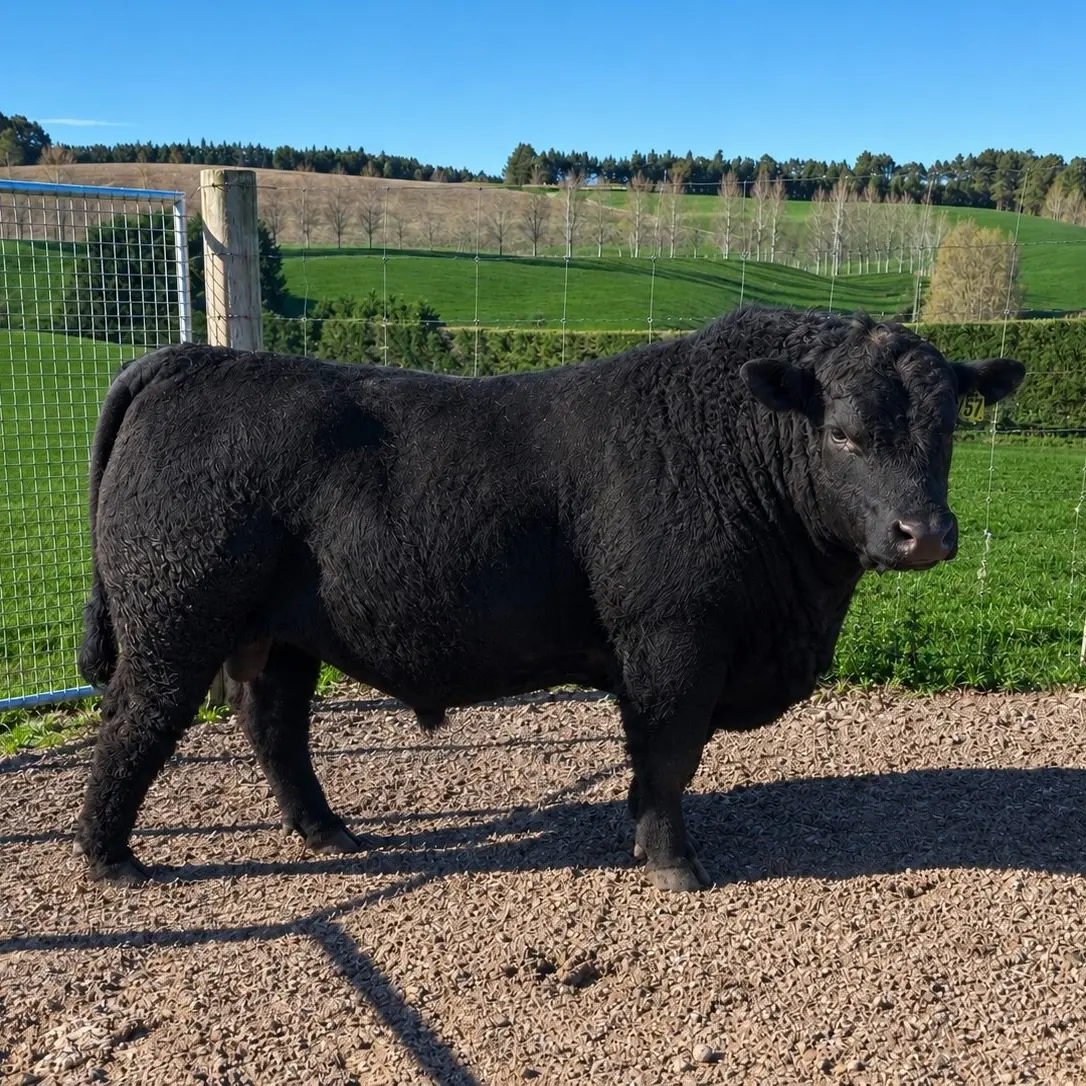
The growth of the Southland beef herd is the largest percentage shift in New Zealand for the livestock class, a Beef + Lamb New Zealand survey shows.
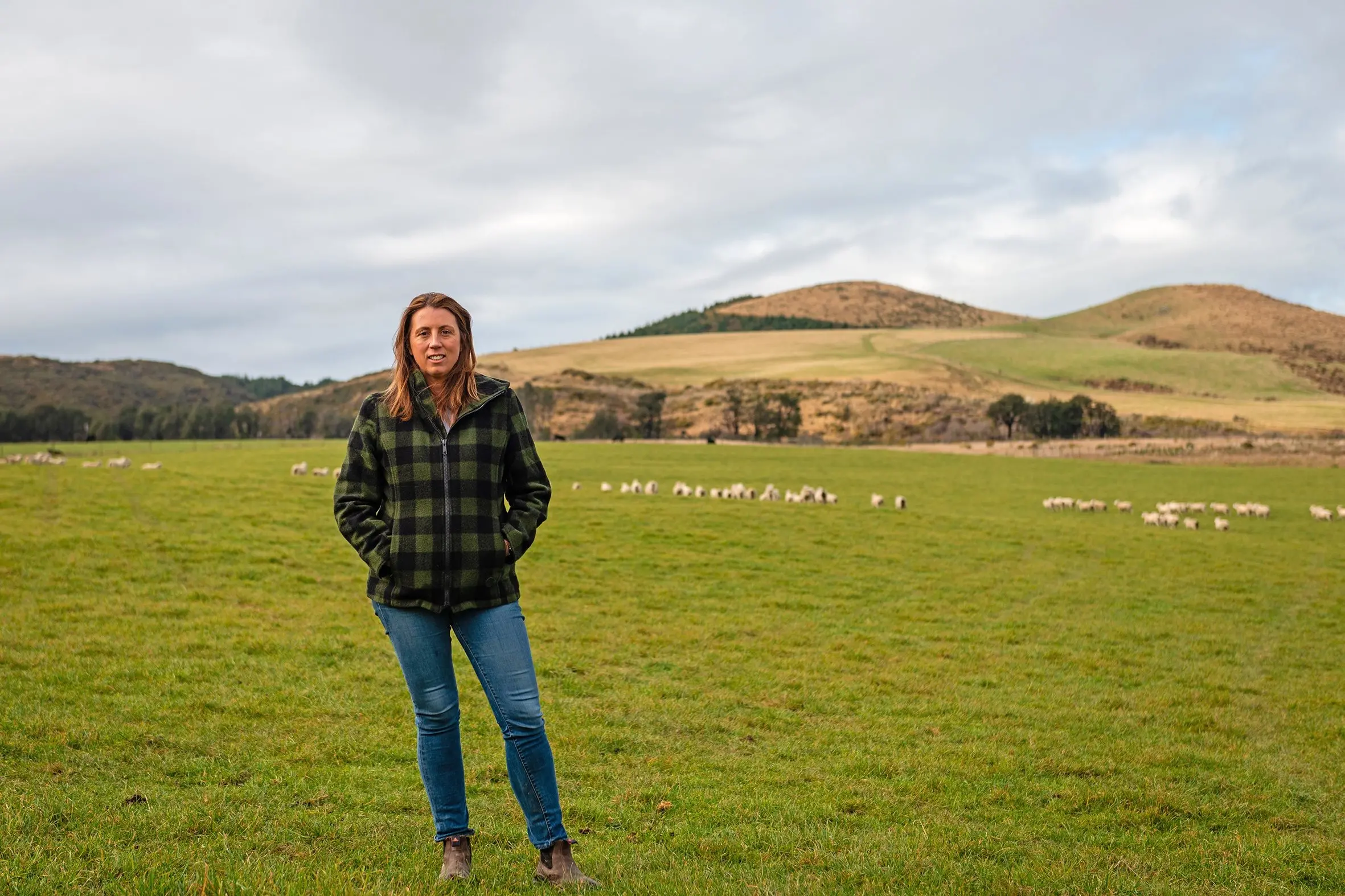
In a statement, chairwoman Kate Acland said the livestock number survey shows beef cattle numbers increased by an estimated 3.3% to 3.96 million for the year up to June 30 this year.
During the same period, total sheep numbers fell an estimated 2% to 22.78 million, with reductions recorded in every region.
However, the lamb crop was expected to be relatively steady.
The increases in beef cattle numbers had been supported by strong returns, feed availability, and farmer preference for trading and finishing cattle.
The South Island beef cattle herd increased 3.6% to 1.25 million. Southland grew by 6.7%, driven by more weaners and trading cattle on finishing farms. Marlborough‑Canterbury increased 3.6%, and Otago increased 1.3%.
Beef cattle numbers in the North Island increased 3.2% to 2.71 million. Taranaki‑Manawatū recorded the largest North Island increase, up 6%, followed by East Coast, which grew by 2.9%, and Northland‑Waikato‑Bay of Plenty, up 2.3%.
Despite fewer sheep, the lamb crop was forecast to be broadly stable at 19.75 million head, down 0.3%, supported by an estimated ewe lambing percentage of 132.3%.
The final result will depend heavily on spring lambing conditions.
Nationwide, breeding ewe numbers decreased by 1.9% and hogget numbers decreased by 4.5%.
The North Island sheep flock was down by 3% to 11.14 million, and the South Island flock was down 1.1% to 11.64 million.
Northland‑Waikato‑Bay of Plenty had the largest regional decrease, dropping 6.3% and reflecting fewer breeding ewes and hoggets. Taranaki‑Manawatū decreased 2.5% and East Coast decreased 1.6%.
Marlborough‑Canterbury saw a very small drop of 0.5%, as an increase in hoggets offset part of the decline in breeding ewes. Otago decreased 0.8%, while Southland decreased 2.4% as hogget numbers fell.
The changes reflect a longer-term structural shift in the livestock mix and land use, she said.
“Total sheep numbers have fallen 46% since 2000-01, from 42.26 million, while beef cattle were 5.6% below 2000-01 levels despite increasing in each of the past three years.
“The long-term decline in sheep numbers reflects cumulative land-use change and changing farm policies, including dairy conversion, forestry and native planting, retirement of grazed land, urban development, and farmer decisions around labour, succession and relative livestock returns.”
The survey is good news for rural communities and the New Zealand economy, she said.
“This shows the continued strength and resilience of a sector that supports jobs and keeps spending flowing through regional New Zealand.
Research for B+LNZ and the Meat Industry Association shows New Zealand’s red meat sector generates $48.7b in spending across the economy each year and supports one in every 20 jobs.
The sector also generates $12.8b in export earnings annually, with a powerful multiplier effect that sees $133 million a day being spent across New Zealand.