PHOTO
A call for rook sightings in Otago follows reports of lone males across the district.
Otago Regional Council portfolio lead and councillor Andrew Noone said rooks first appeared in the pest management plan in 2008.
Rooks were introduced to New Zealand between 1862 and 1873 to control insects.
ORC, Environment Southland and Environment Canterbury had worked together to control the species across the lower South Island.
“With the addition of invaluable community support, rook numbers in Otago have been reduced to single digits from several thousands of individuals in the late ’80s to mid ’90s.”
A decades-long eradication programme had been highly successful, Cr Noone said.
“As we near the end of the programme the question is: are there any breeding pairs left?”
Rook sightings in Omakau and Tapanui this year and Clarks Junction last year were likely to be lone males, he said.
“We need the public’s help to target the last remaining birds, bearing in mind the potential always remains for the population to increase again. Rooks are attracted to recently cultivated paddocks and will feed on newly sown crops causing significant damage.”
People were being asked to report rook sightings during spring, when the pest birds are most active.
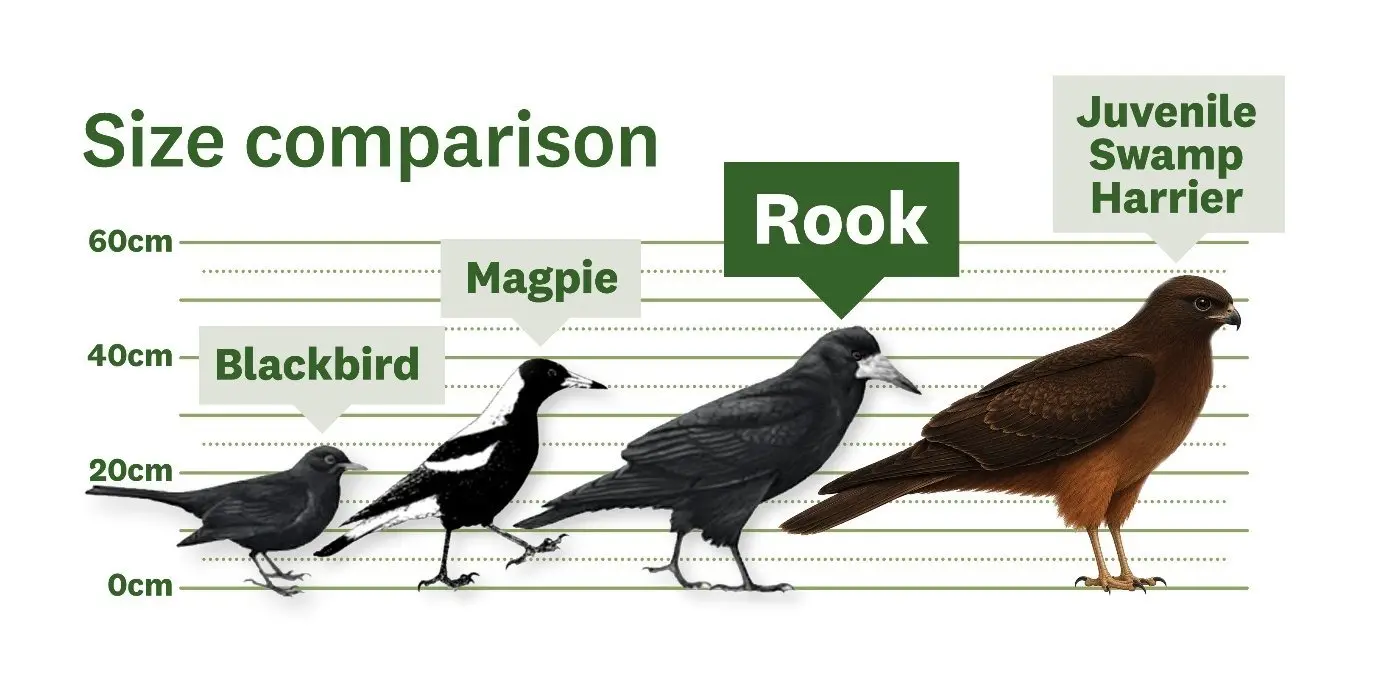
He urged anyone reporting a sighting to the biosecurity team to take a photo, as rooks could be confused with magpies, blackbirds and hawks, Cr Noone said.
“Should we discover an active nest, ORC would investigate to establish if the rooks are actively breeding or if it is just the male going through the motions of nest building, which they can do regardless of a mate.”
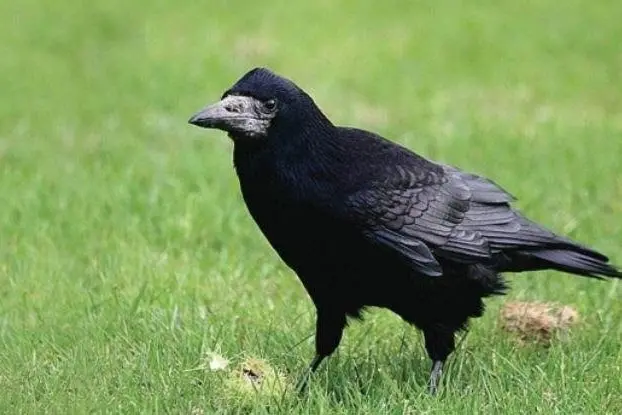
Rooks are part of the crow family — a large bird with glossy, purplish-black feathers.
They have a distinctive “kaah” call, a slow wing flap and are very wary of people.
Cr Noone said as rooks were wary, it was important people did not try and shoot them, rather report the sighting as soon as possible to the regional council so effective control options could be undertaken at no cost to the landowner.
• Report rook sightings to Otago Regional Council.govt.nz/reportapest or 0800 474 082