PHOTO
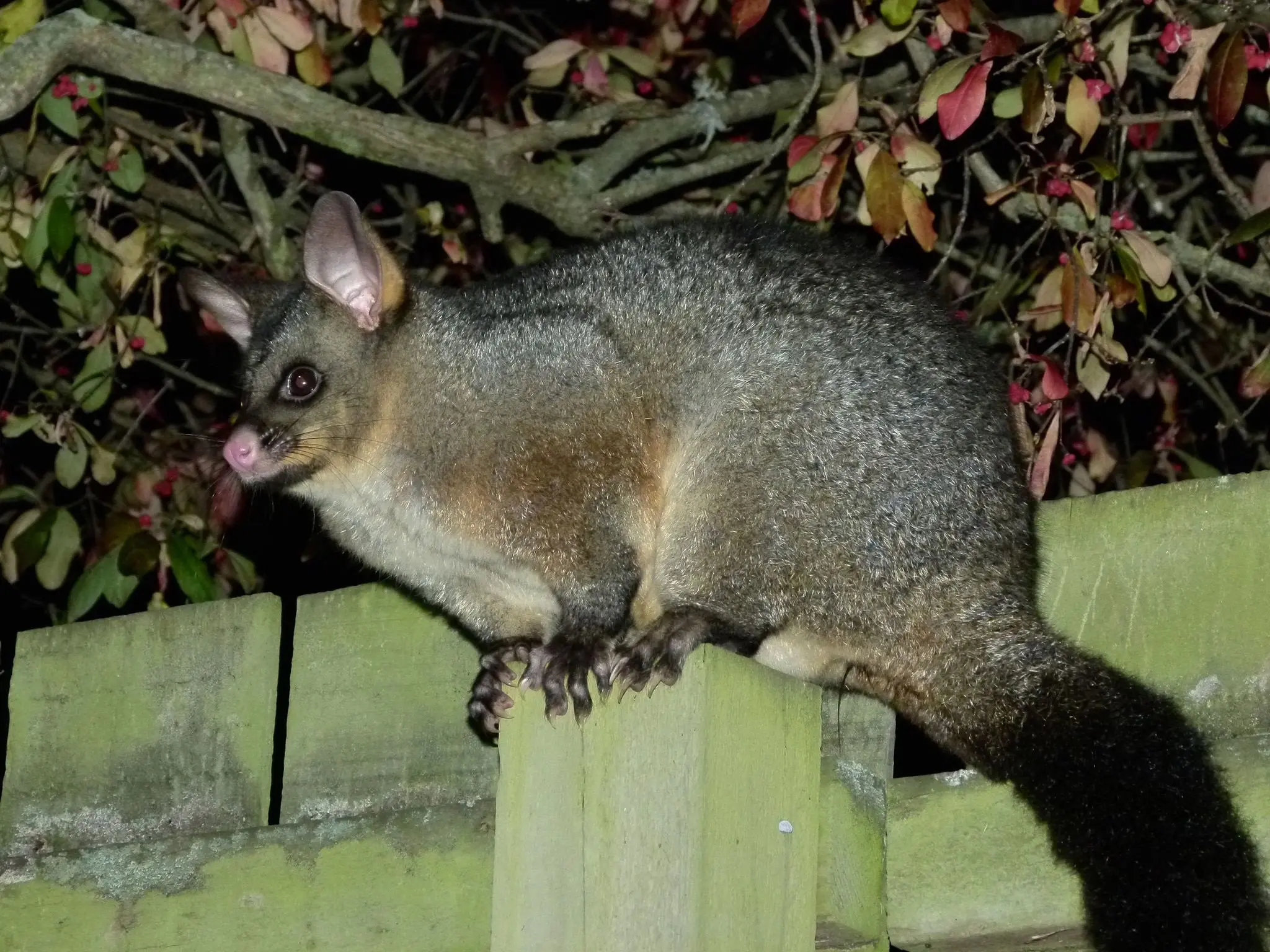
A plan to eradicate tuberculosis-infected possums from parts of New Zealand, including Otago, aims to protect herds from the disease.
In a statement, Biosecurity Minister Andrew Hoggard said an independent review of the National Pest Management Plan for Tuberculosis recommended Tb-infected possums must be cleared from a few areas of Otago, central North Island and Hawke’s Bay before New Zealand’s livestock could be permanently protected from the disease.
The government accepted the review team’s proposals, Mr Hoggard said.
"Possums are the main way Tb spreads to farmed cattle and deer, so the new management plan will focus on eradicating it from both possums and livestock by 2040.
"We can’t get rid of bovine Tb without getting rid of infected possums.
"If they remain, they will keep reinfecting our dairy, beef and deer herds."
Sixteen herds were infected in New Zealand.
"We’re very close to achieving zero infected herds with just 16 herds nationwide. That’s an amazing achievement after decades of hard work by farmers and continued investment.
"Now we need to finish the job."
Funding would stay at $60 million a year for the next five years, with farmers paying 60% and the government 40%.
To ensure sustainability of the programme after 2031, a review of progress against the plan and ongoing term funding requirements had been agreed.
Operational Solutions for Primary Industries (Ospri), which administers the TBfree programme, was making operational changes to support it, including switching from blanket Tb testing to a more focused approach in surveillance areas.
"This will reduce compliance and costs for farmers, by using existing technology and data to focus testing where it’s most needed, to protect herds against further spread," Mr Hoggard said.
The new plan affected the dairy, beef and deer sectors, including farmers who had never faced Tb on their farms.
"As long as Tb is still present here, no matter how small the areas of infection, we are still farming with a big hurdle.
"The work we do now will make farming easier in the future."