

PHOTO
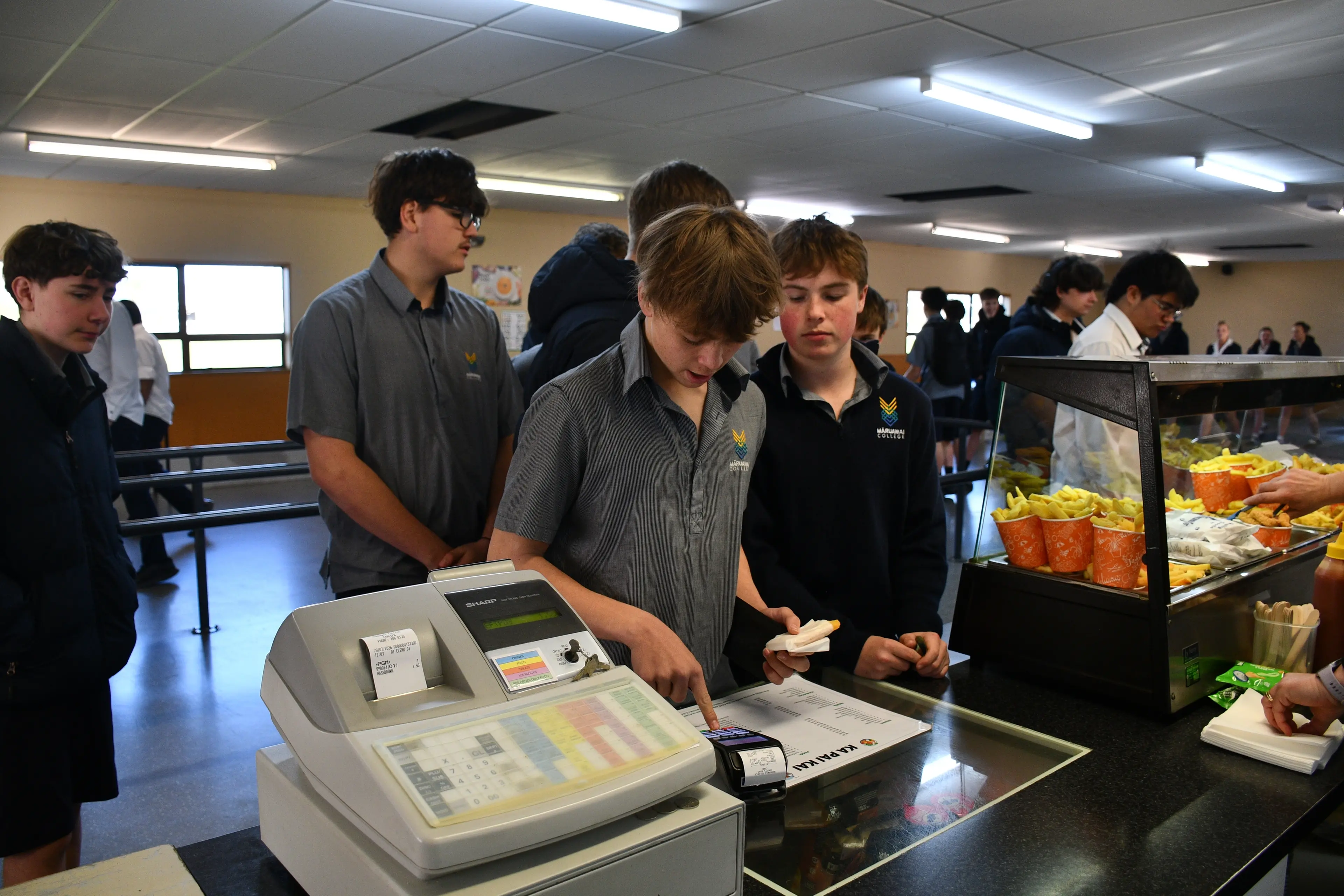
Dissatisfaction with the government-funded school lunch programme has led to a Gore high school re-opening its senior canteen this week.
Principal Melanie Hamilton said the revamped school lunch programme introduced at the start of last year failed to feed the school.
“We had a good uptake initially … [now] it’s just petered right off,” Mrs Hamilton said.
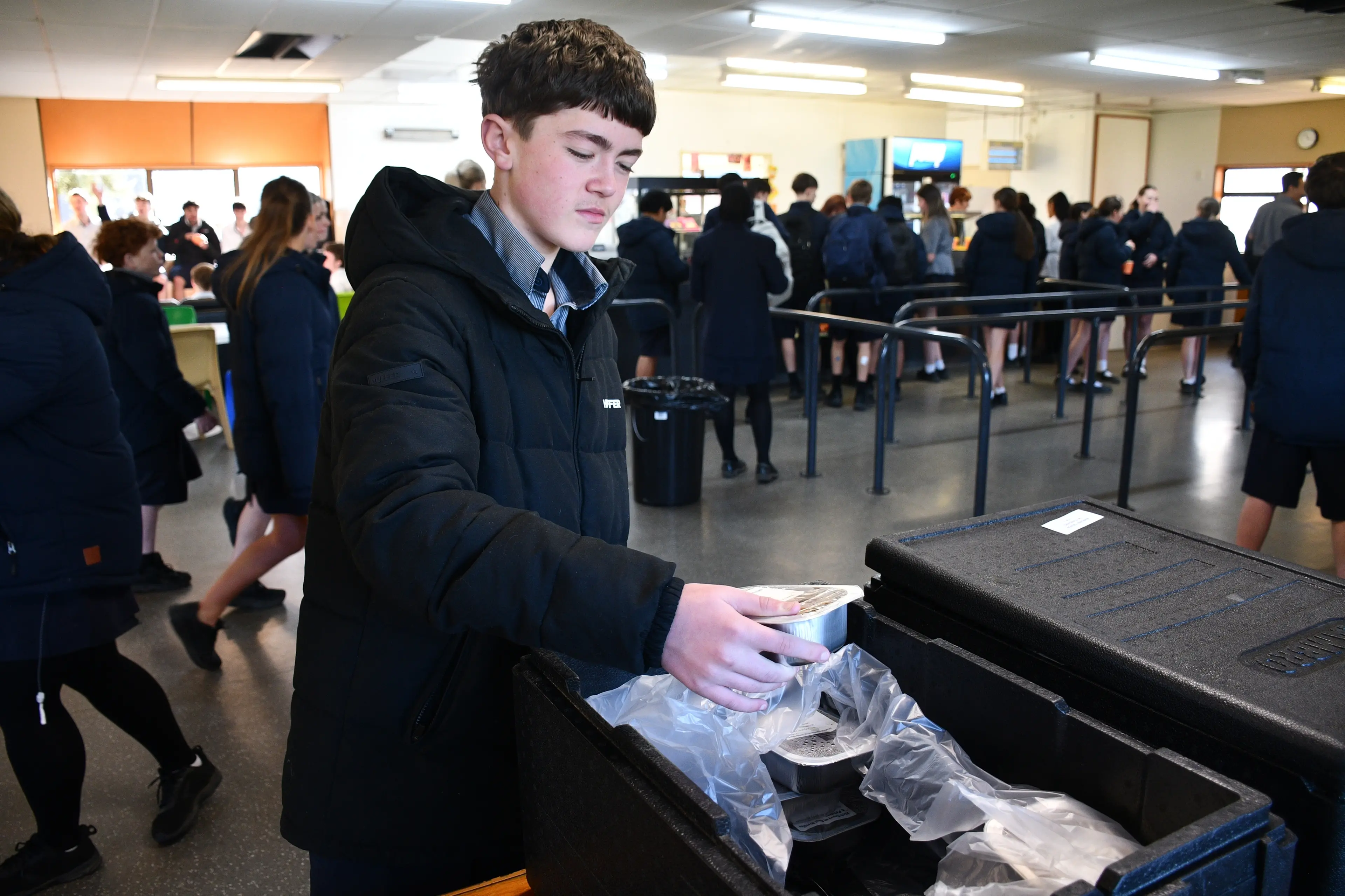
“There’s 500 kids on that site … there’s not even 100 of them eating the meal[s].”
Mrs Hamilton said while she was grateful the school received the meals, the quality had “slipped”.
Last year, four out of five meals a week were mince-based, for a whole term, Mrs Hamilton said.
“Everybody’s entitled to eat nice food.
“It’s got to be of a quality, I think that’s the problem,” Mrs Hamilton said.
“It’s a basic need, isn’t it?”
Student Tyson Miller, 13, said the meals were bland and unappetising, but he ate them anyway.
“They’re not good I reckon … It’s just not what the kids want to eat,” he said.
“It’s just not the best quality food … it feels quite cheap.”
He said food from the canteen was top notch.
The canteen had a range of readily available food including hot chips and pies, meals students could pre-order using an app, such as burgers and wedges, a range of sweets, and a variety of cold drinks.
Most items were under $10 and many were under $5.
Student Arauna Van Den Berg, 14, said the government-funded meals made her sick more than once.
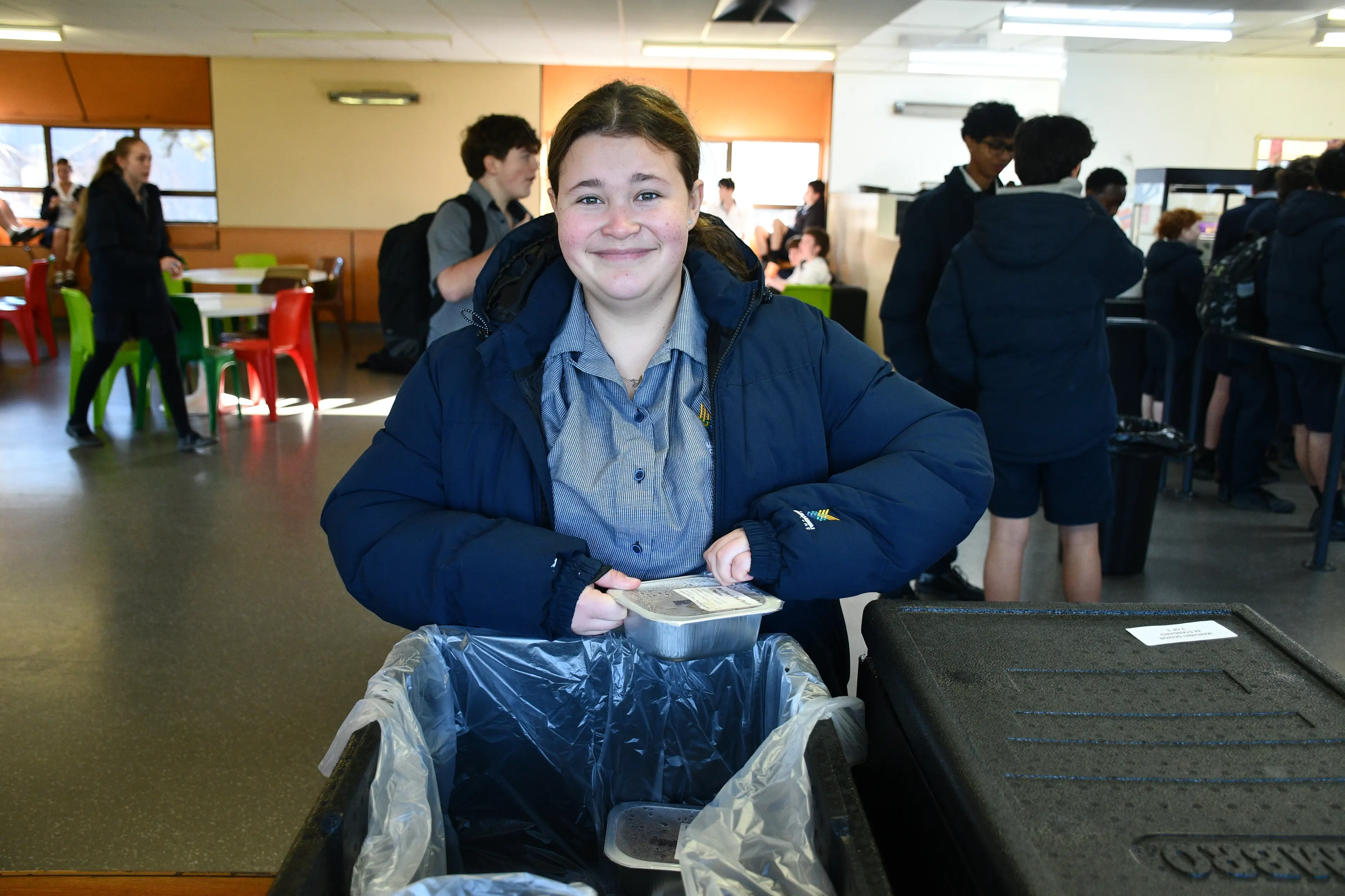
“The [canteen] food tastes way better, and it doesn’t give me a stomach ache either,” she said.
The Healthy School Lunches Programme was introduced in 2020, providing lunches for more than 200,000 students nationwide.
At the start of last year, the Ministry of Education contracted the School Lunch Collective to deliver a new model aimed at reducing costs and waste.
At the time the school was receiving 500 hot meals from Compass Food Group, which was more than enough to feed its full roll.
It only took half a year of the programme before Māruawai College’s senior campus started to cut the number of lunches it ordered.
Since term two last year, the number of lunches ordered dropped to 150, due to a significant number of students not wanting them.
A report tabled in Parliament last month by the Auditor-General warned the government had not been able to clearly show the scheme was delivering its aims.
It also flagged concerns about how the new system was set up, including weak back-up planning and last-minute changes even after contracts had been signed.
The findings were part of a final report from the Auditor-General’s investigation begun last year after concerns were raised about the programme over quality, timeliness, appropriateness of the food provided, how costs were determined and how providers were selected.
gemma.sinclair@alliedmedia.co.nz