
PHOTO
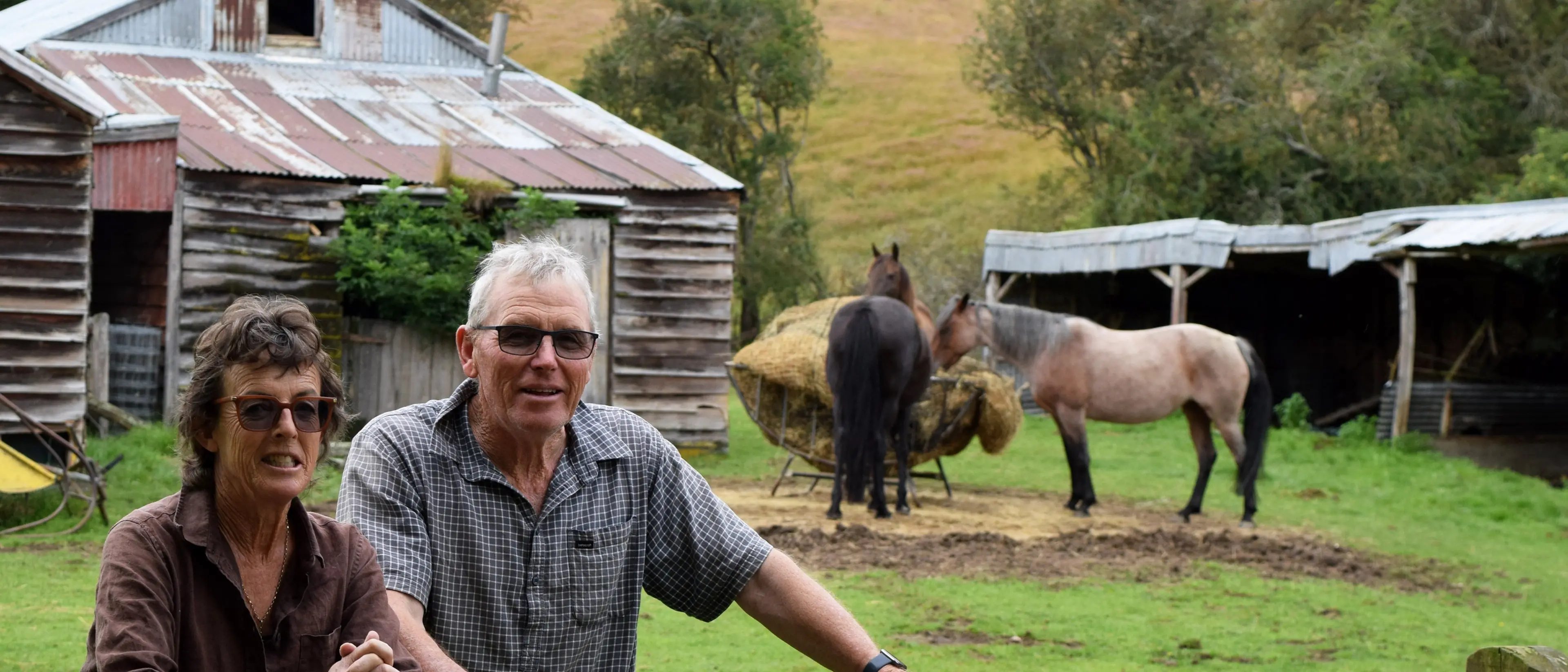
Sheep and beef farmers Garry and Julene McCorkindale will call time on their family’s nearly 160-year tenure on their property Glenside in South Otago at the end of next month.
"It’s time," Mrs McCorkindale said.
Mr McCorkindale said his great-great-grandfather Malcolm McCorkindale emigrated from Scotland and began farming the property in Waitahuna, south of Lawrence, in the late 1860s.
Both of their two sons live overseas and had forged their own careers.
"With nobody wanting to farm, the decision was up to us on when we got out and we weren’t going to battle on until we were 90."
Mrs McCorkindale said the plan was never to die wearing gumboots.
"You can either die with your boots on or you can get out while you’ve still got a bit of go."
Mr McCorkindale said the 752ha farm sold quickly to a neighbouring sheep and beef farmer.
They were pleased Glenside would continue to run livestock.
The McCorkindales had bought a "retirement block" in Bannockburn, which was big enough for them to take their horses and ageing working dogs.
Their stud, Glenside Simmentals, was established in 1985 and they held their 34th annual on-farm bull auction in May last year.
Mr McCorkindale said he would take a "small selection" of black Simmental cows from their stud to Bannockburn.
He believed the black Simmentals could play a bigger part in the beef sector as a maternal, rather than a terminal breed.
"We are not out of the Simmental business just yet."
He had an arrangement to sell weaner calves to a Simmental breeder in South Canterbury, who would then decide to either sell them at their bull sale or send them for slaughter.
Glenside Simmentals would be holding a dispersal sale on-farm in Waitahuna from 1.30pm on March 12.
Mrs McCorkindale said the sale would be "the last hurrah" and she hoped it would attract many past and existing clients.
The sale would feature her final batch of home-made cinnamon oysters, she said.
Mr McCorkindale said the sweet treat was a perennial favourite at their annual bulls sales.
shawn.mcavinue@alliedmedia.co.nz
Only cattle, including 18 bulls and all of the red Simmental "terminal" cows, would feature at the sale.
Most of the Romdale sheep on Glenside had been bought by the new farm owner and any of the remaining flock would be sold at saleyards.
The annual bull auction could range from being a "downer" to a "thrill", he said.
"You put yourself out there."
Mrs McCorkindale said she would miss the annual trips both of them made to deliver bulls to buyers.
"You get to see where they go and what they do for the buyers, it’s cool. I’ll really miss that but I won’t miss the stress of sale day," she said.
Glenside was one of the first in the Century Farms awards programme and when it was recognised in 2005, the farm had been in the family for 137 years.
The family’s farming history on Glenside includes breaking in and cultivating land, buying neighbouring blocks and installing farm infrastructure including a woolshed and covered shep and cattle yards.
Glenside expanded to 1600ha, until it was split with his brother Ritchie, as part of succession planning.
Ritchie sold his neighbouring farm several years ago.
Other farm improvements on Glenside included growing crops, such as summer brassicas to ensure the farm was resilient to changing climate, Mr McCorkindale said.
The climate on Glenside was generally "benign" but autumns were generally becoming drier, winters shorter, springs earlier and summers drier.
To help battle recent dry summers, cows were sent away for grazing and sheep numbers had been reduced.
Their remaining time on Glenside would include the removal of large trees toppled by strong wind in October last year.
They were looking forward to more settled weather in Central Otago, Mr McCorkindale said.
"We won’t miss the barbecue-killing easterly that comes in often on a summer night."
The timing of the sale of Glenside, coinciding with a rising confidence in the sheep and beef sector was fortunate, he said.
However, other past financial farm decisions had been made when the market was rising and did not play out as well.
One of those times was when their lambs were fetching $75 each, 50% higher than the year before, spurring a decision to build a new home on Glenside in 2005.
By the time the bills for the build began to arrive, the lamb price had returned to $50 a lamb.
Often it could be a battle for a farmer to make a profit so when the market improves, it sparks a hope of an upward trajectory to a more sustainable level but often that dream was short-lived.
"It’s like being in a plane, you’re on the runway and you feel it moving and your just off the ground and then you’re back down again," Mr McCorkindale said.
"A crosswind catches you, " Mrs McCorkindale said, referring to market influences outside of their control.
Mr McCorkindale believes the outlook was good for sheep and beef farmers for at least the next two years.
"If we had stayed in farming we would have some good years, that’s great but it is also a great time to step off too."