
PHOTO
When we discuss cataract surgery, the conversation usually centres on eyesight. We talk about sharper vision, safer driving, brighter colours and a better quality of life. All of these matter.
But there is another compelling reason New Zealand should pay closer attention to timely cataract treatment: preventing falls. Falls are one of the most significant health risks facing older people.
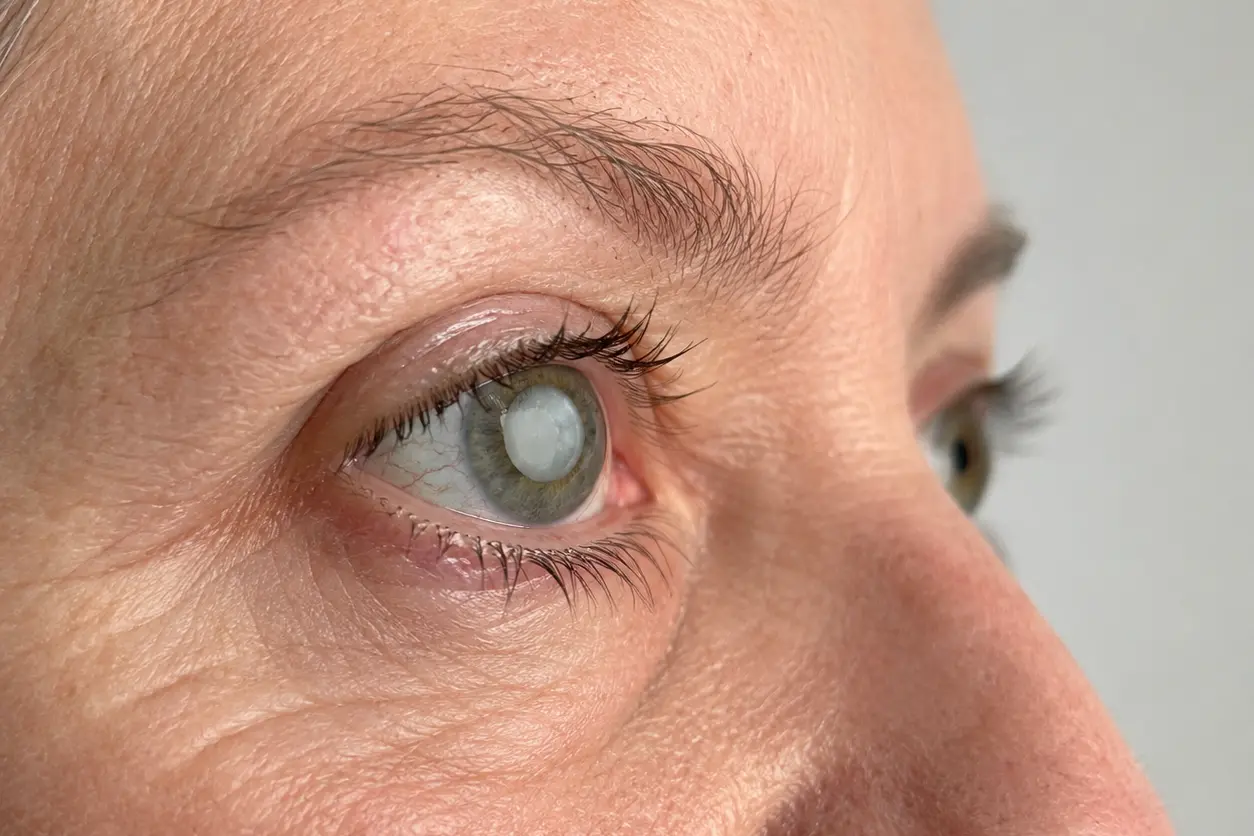
Cataracts do far more than blur vision. They reduce depth perception, contrast sensitivity and the ability to navigate stairs, kerbs and uneven surfaces safely. For many older adults, declining vision quietly erodes confidence and mobility long before it becomes a recognised medical problem.
The evidence is increasingly clear. Research published in JAMA Ophthalmology found people with cataracts face a significantly higher risk of falls and fractures. Those consequences can be devastating, often leading to hospitalisation, loss of independence, entry into residential care and, in some cases, premature death. The human cost is immense, but so is the economic burden. The combined cost of hip fractures across Australia and New Zealand is estimated at about $1 billion annually. These are costs borne not only by health systems, families, and communities.

Importantly, cataract surgery is already recognised as one of medicine's most successful and cost-effective procedures. Studies have shown that prompt surgery can reduce falls and lower the risk of serious fractures. In other words, investing in cataract care is not simply an expenditure on eyesight; it is an investment in public safety, independence, and healthy ageing. As New Zealand's population ages, policymakers should view timely access to cataract assessment and surgery as part of a wider falls-prevention strategy.
Good vision is essential infrastructure for independent living. Clearer vision can mean steadier steps. And steadier steps can mean fewer lives changed forever by a preventable fall.