
PHOTO
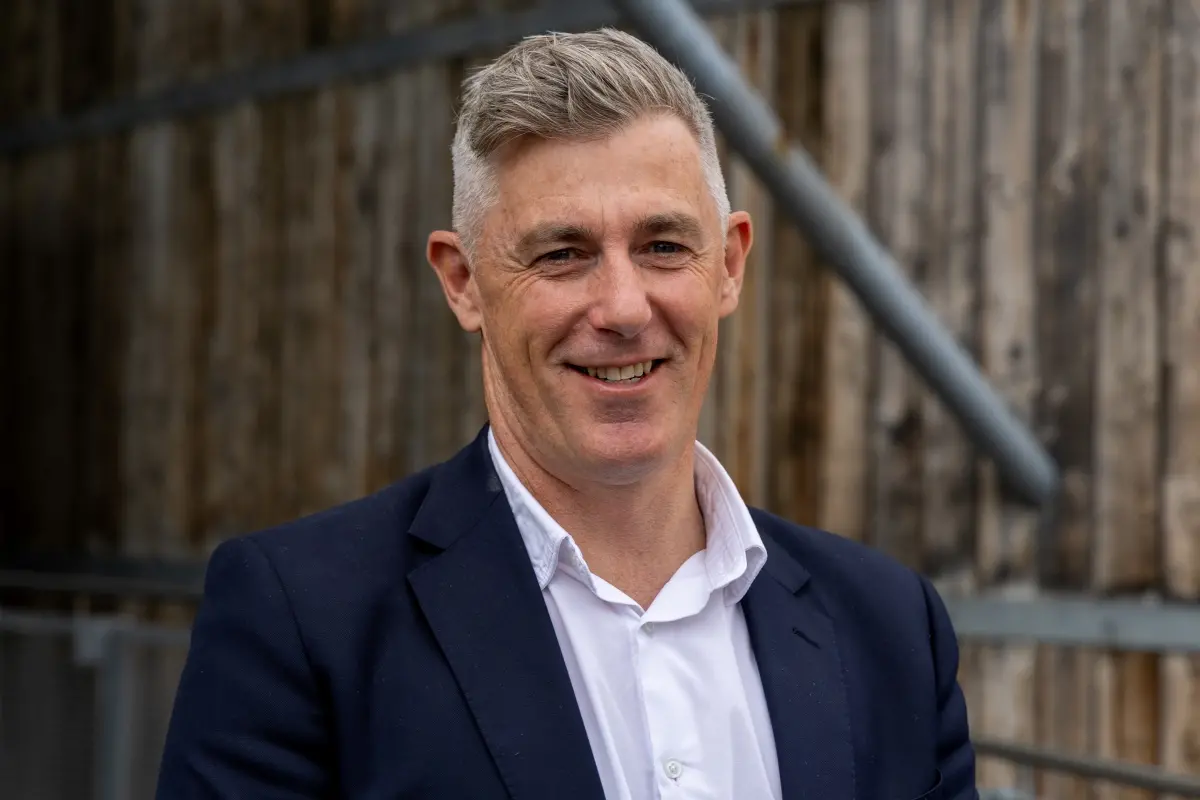
Selwyn District Council has appointed Steve Gibling as its permanent Chief Executive.
Gibling officially begins in his role today but has has been acting in the role since January, after Sharon Mason resigned.
Selwyn Mayor Lydia Gliddon said the appointment followed a robust recruitment process and reflected Council’s strong confidence in Gibling's leadership.
“We had a high calibre of candidates for this role and went through a thorough and robust process. In the end, we know we’ve appointed the right person for Selwyn,” she said.
“We’ve had the benefit of seeing Steve lead the organisation over the past seven months, and he has shown strong, steady leadership through a period of change.
Gibling's salary is $350,000, while Mason was paid $374,000.
Gliddon said Gibling's handling of complex issues, including work to rebuild trust with Upper Selwyn Huts residents, highlighted his ability to balance community connection with council’s responsibilities.
Gibling brings more than 25 years’ leadership experience across local government, not-for-profit and tertiary sectors, and has a strong background in community-focused services and organisational leadership.
Gibling said he was proud to take on the role permanently.
"This is a district I feel strongly connected to - my kids live here, play sport here, and I see first-hand what makes this place special and what matters to our communities," he said.
“My focus is on building on the work already under way, continuing to support our people, strengthening our partnerships with mana whenua, and working alongside our communities as we shape what comes next for Selwyn.
"We’re in the middle of what is likely the biggest reform of local government since the 1980s. That brings uncertainty, but also a real opportunity to shape how we deliver for our communities into the future.”
The past seven months have also reinforced the importance of strong relationships and clear direction, he said.
“We’ve got some big pieces of work ahead of us, including our long-term planning and ongoing reform conversations. It’s important we bring our communities with us, listen well, and make sure the decisions we take reflect what matters most to them.”