PHOTO
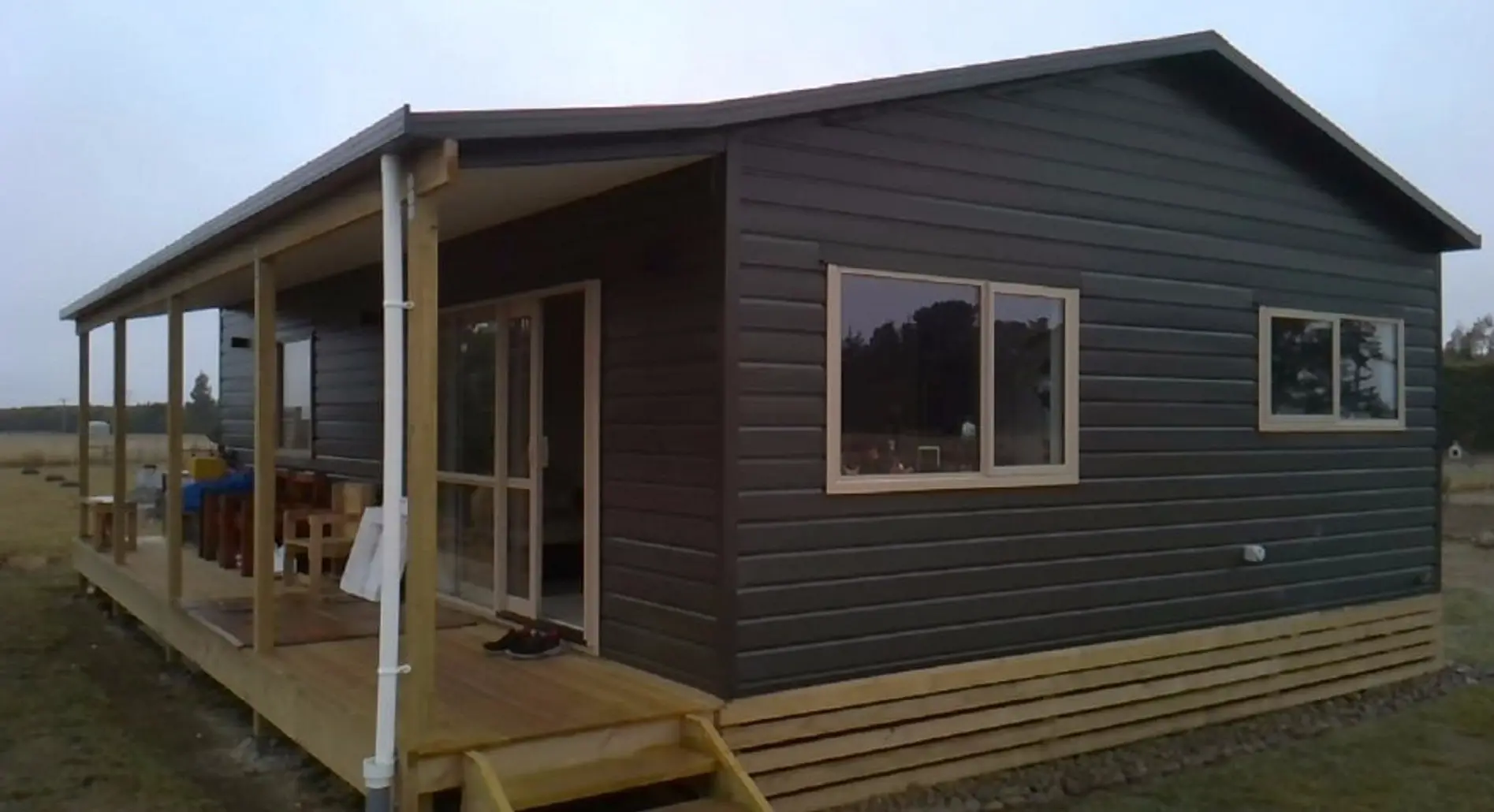
The relaxing of granny flat rules could lead to more illegal structures due to homeowners not understanding the criteria, a Canterbury council manager says.
Hurunui District Council building and property manager Kerry Walsh said homeowners still need to contact the council before they begin the build to ensure it will comply with building regulations.
‘‘Property owners will now be able to build a granny flat or small stand-alone dwelling providing they follow some basic criteria.
‘‘No building code checks will be done by the council, so caution when selecting a licensed building practitioner is recommended.
‘‘We are also expecting a larger number of non-complying or illegal granny flats as people build them unaware of the minimum criteria.’’
Under the new legislation, residential buildings up to 70 square metres no longer need a consent, provided the new building is at least two metres from other buildings and the property boundaries, and there will be only one granny flat on the site.
Buildings must be new, stand-alone and single storey, must be of lightweight timber or steel framing, and designed and built by a licensed building practitioner.
A resource consent may be required if the site is in a natural hazard area.
Homeowners who meet the criteria will need to apply to the council for a PIM report (project information memorandum) before engaging a builder.
‘‘For normal work, around 20 percent of inspections are failed for consented work, so this needs to be considered when building a granny flat with no inspections,’’ Mr Walsh said.
‘‘You do have the option of still applying for a building consent so that you can get some certainty of building code compliance.’’
The new rules over-ride the existing Hurunui District Plan rules, including Hanmer Springs’ design standards, he said.
Waimakariri District Council planning, regulation and environment general manager Kelly LaValley said the new planning rules will simplify the process for building a granny flat with fewer costs.
But property owners will be legally responsible for ensuring the building work complies with the building code and notifying the council when work starts and is completed.
A fixed fee for granny flats will be introduced and the council will provide the option to obtain a building consent to provide ‘‘assurance through the consent and inspection process’’, Ms LaValley said.
The new Waimakariri District Plan also has rules around the size and location of granny flats and the new National Environmental Standards for Detached Minor Residential Units will also apply, she said.
Kaikōura District Council building control manager Glenn Vaughan said homeowners need to contact the council before they begin the build.
‘‘One of the most important things about the granny flat legislation is that there must already be an existing dwelling on the proposed building site."
Mr Vaughan said the PIM process ensures the building work will meet the requirements of the District Plan and exemption requirements.
Once a PIM report has been issued, the homeowner has two years to engage a builder and complete the build, notify the council the work is complete and pay any development contribution notice required.
As there is no consenting process, the council is not liable for building work undertaken under the exemption, Mr Vaughan said.
‘‘We strongly advise homeowner's to ensure they have the necessary insurance as well as a strong building contract in place with their designer, builder, roofer, plumber, electrician and any other tradespeople they choose to employ.’’
By David Hill, Local Democracy Reporter
■ LDR is local body journalism co-funded by RNZ and NZ On Air.