
PHOTO
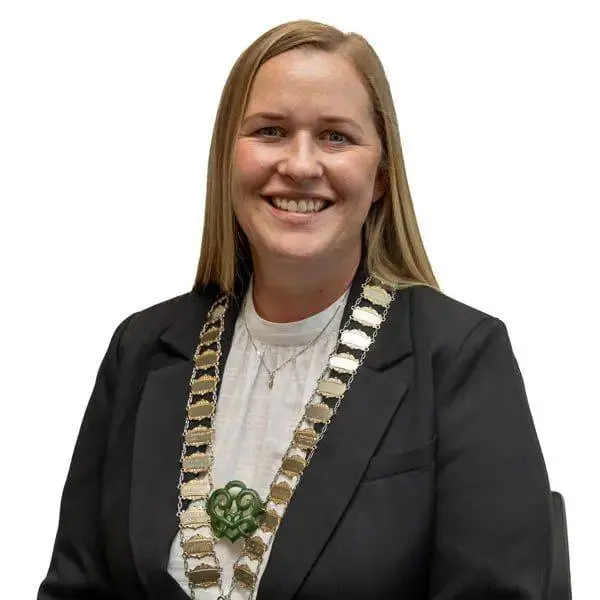
Selwyn Mayor Lydia Gliddon believes her district could make a case to go it alone.
Councils across the country have 33 working days to submit ideas for how they would respond to the Government’s proposed reform process, or risk having an unwanted amalgamation model imposed on them.
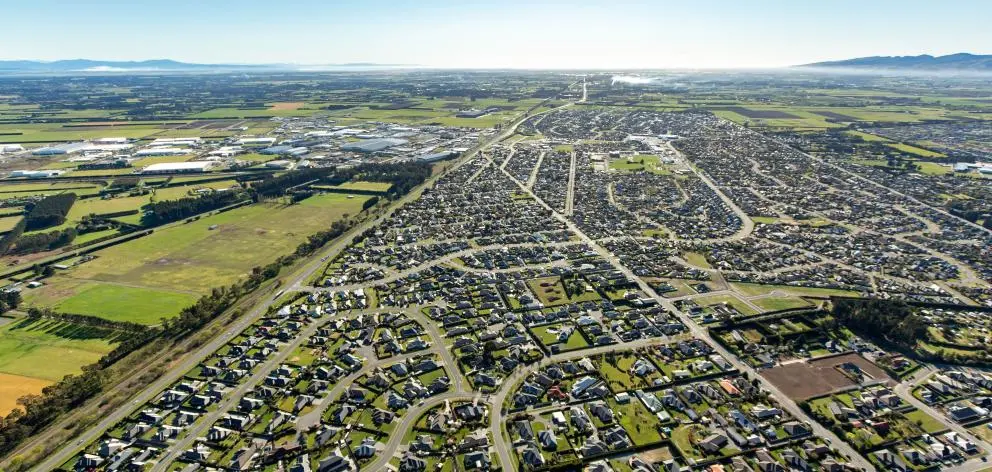
Gliddon said Selwyn District Council may not need to amalgamate with anyone and could instead become a unitary authority, given its rapid growth.
“We are not just a dormitory suburb of Christchurch; we are our own place, and I think that is a real option on the table,” she said.
If Selwyn became a unitary authority, it could take on functions currently delivered by Environment Canterbury, including river and flood management, public transport, and environmental consents.
Selwyn's biggest town, Rolleston, is on track to reach a population of 50,000 – the threshold for city status – within the next 10 to 12 years.
“We are not making these amalgamation decisions for today and tomorrow; this has got to be a long-term outcome.”
Canterbury’s 10 councils have agreed in principle to submit a single combined proposal to the Head Start Pathway, but exactly what it will look like remains unclear.
To help shape the proposal, councils have been running public surveys.
Selwyn’s survey, written by Gliddon, drew 6900 responses from the public and 123 from council staff by the time it closed on Sunday.
“I’m really proud of our community for coming out and having their say. I think this is the most engagement we have had in the history of Selwyn, and this shows how important this is.”
The majority of submissions supported the council exploring both a unitary authority model and one or more amalgamation options with neighbouring councils.
District councillors are due to be briefed on the results today.
However, with the Resource Management Act being replaced by the Planning Bill and the Natural Environment Bill, the future division of responsibilities remains unclear, with some activities expected to no longer require consents.
“We actually don’t 100% know what functions we are going to be left with,” Gliddon said.
If amalgamation proceeds, options include forming a super city with Christchurch and Waimakariri, or a southward alignment with Ashburton.
Gliddon said any arrangement that splits Selwyn is not preferred, noting the district has been built around a hub-and-spoke model with many services centred in Rolleston.
Many of ECan’s roles also cross district boundaries and may require a shared services approach, either embedded within councils and jointly funded, or delivered through council-owned companies.
“Regardless of where unitary authorities and your boundaries are, there’s going to be functions delivered at a regional level.”
Gliddon said the council is also looking at how much ECan spends in Selwyn, with about 59% of the regional council’s rates coming from Christchurch, followed by Selwyn at 14% and 10% from Waimakariri.
For example, Christchurch subsidises about $4.5 million of the $9m spent on public transport in Selwyn.
HAVE YOUR SAY: Should Selwyn become a unitary authority? Send your views in 200 words or less to daniel.alvey@alliedmedia.co.nz