
PHOTO
Navigating conflict and asserting rights are key themes in a new workshop.
A two-day empowerment and self-defence course seeks to provide disabled women and gender-diverse people simple yet effective safety skills to advocate for themselves in all areas of life.
The programme is being organised by Kia Haumaru – Personal Safety Education, in association with the Disabled Persons Assembly.
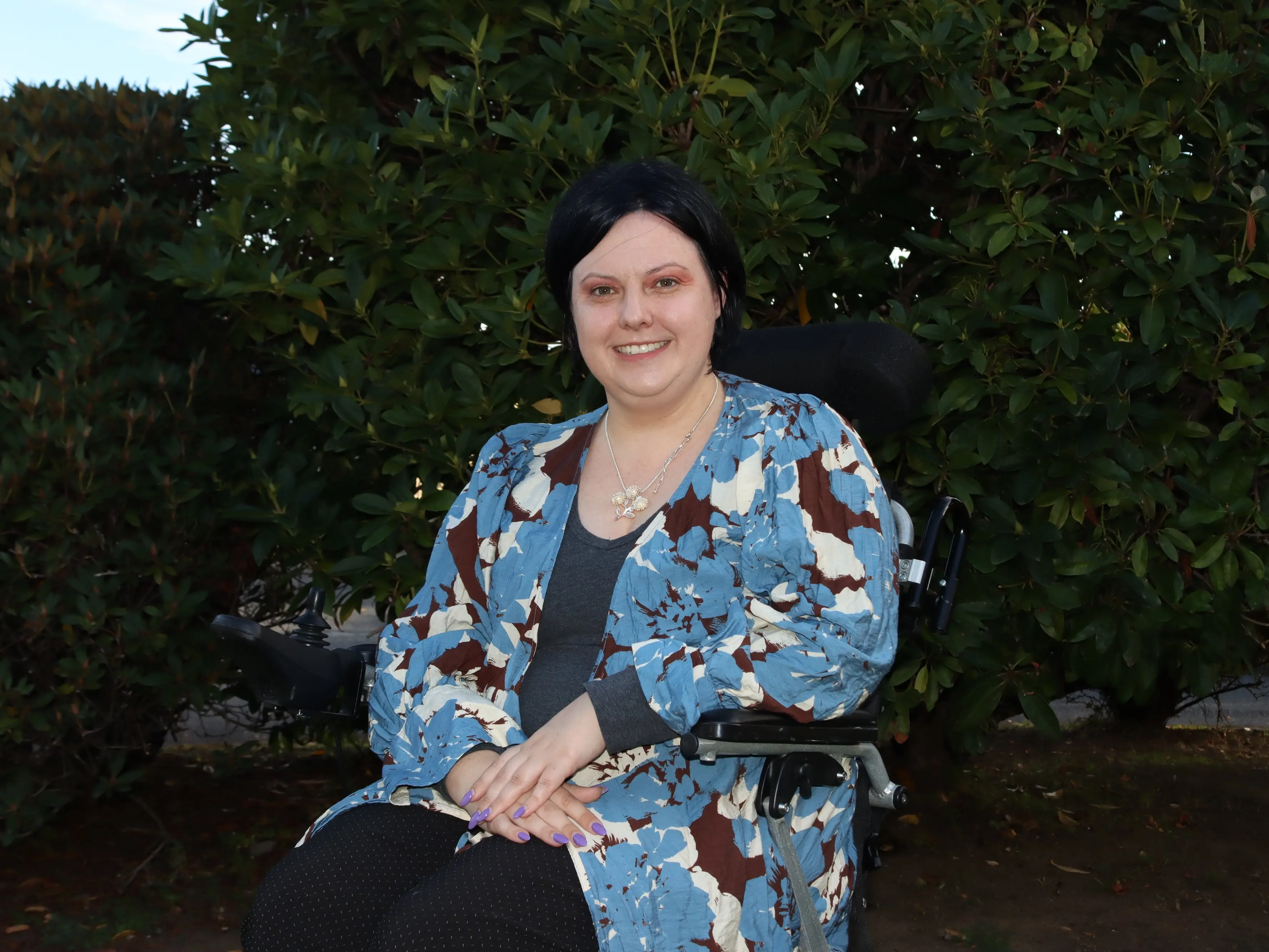
Disabled Persons Assembly Kaituitui Ōtepoti Amy Taylor said the training was not only about physical self-defence but also communication and de-escalation.
"I don’t like to use the word vulnerable, because I think a lot of people associate disabled people with being vulnerable and they can use that word quite dismissively.
"But we do also need to face the reality that in a conflict situation, being, say, a wheelchair user may put you at something of a disadvantage."
The sessions were also about knowing your rights and developing skills that could be used to counter a range of challenges, such as being in a GP’s office.
"Say your GP is gaslighting or dismissing you, it is how to organise your thoughts so you can actually advocate for yourself."
In public situations when she was using her wheelchair, she was at waist height to people. She used a power chair so needed at least one hand to drive it and people who used manual versions were using their hands to propel them.
"So things like your personal belongings, like your phone or your cash or whatever, you can’t necessarily be hanging on to that in the same way as an able-bodied person might be."
Ms Taylor said there were also benefits to being in a wheelchair and she viewed it as a "hidden skill".
"I’ve used this before, when we have had really rowdy homeless people on the main street, is to actually go to them and say, listen, you are being disruptive to the community right now.
"And they would not touch me, because those people have a certain sense of honour, that they would not touch a disabled woman in a wheelchair."
"I think that I have actually used that in a really positive way to be able to say, we are all part of a community here and we need to work together."
The course would also address inequities and power imbalances at home with caregivers and family members.
"Sometimes disabled people are at the whim of their caregivers," Ms Taylor said.
She noted examples of support workers ignoring clients’ needs to do tasks such as washing an already clean bathroom or picking out clothing for a person with a learning disability without consulting them.
"And that matters, because all the rest of us get to decide what we want to put on today.
"It is part of your self-expression, it is part of your self-identity."
Ms Taylor hoped if there was interest, this would be the first of many similar initiatives.
"We are hoping we can go to some of the community funding organisations and say, this is what we have achieved and this is why we are doing it, can you fund us to continue to do this kind of work."
The course is being led by Bell Murphy, an accredited member of Kia Haumaru – Personal Safety Education.
The weekend course will run on Saturday, April 25 and Sunday, April 26 from 2pm to 5pm on both days.
To register or for more information, email kaituitui.ootepoti@dpa.org.nz