
PHOTO
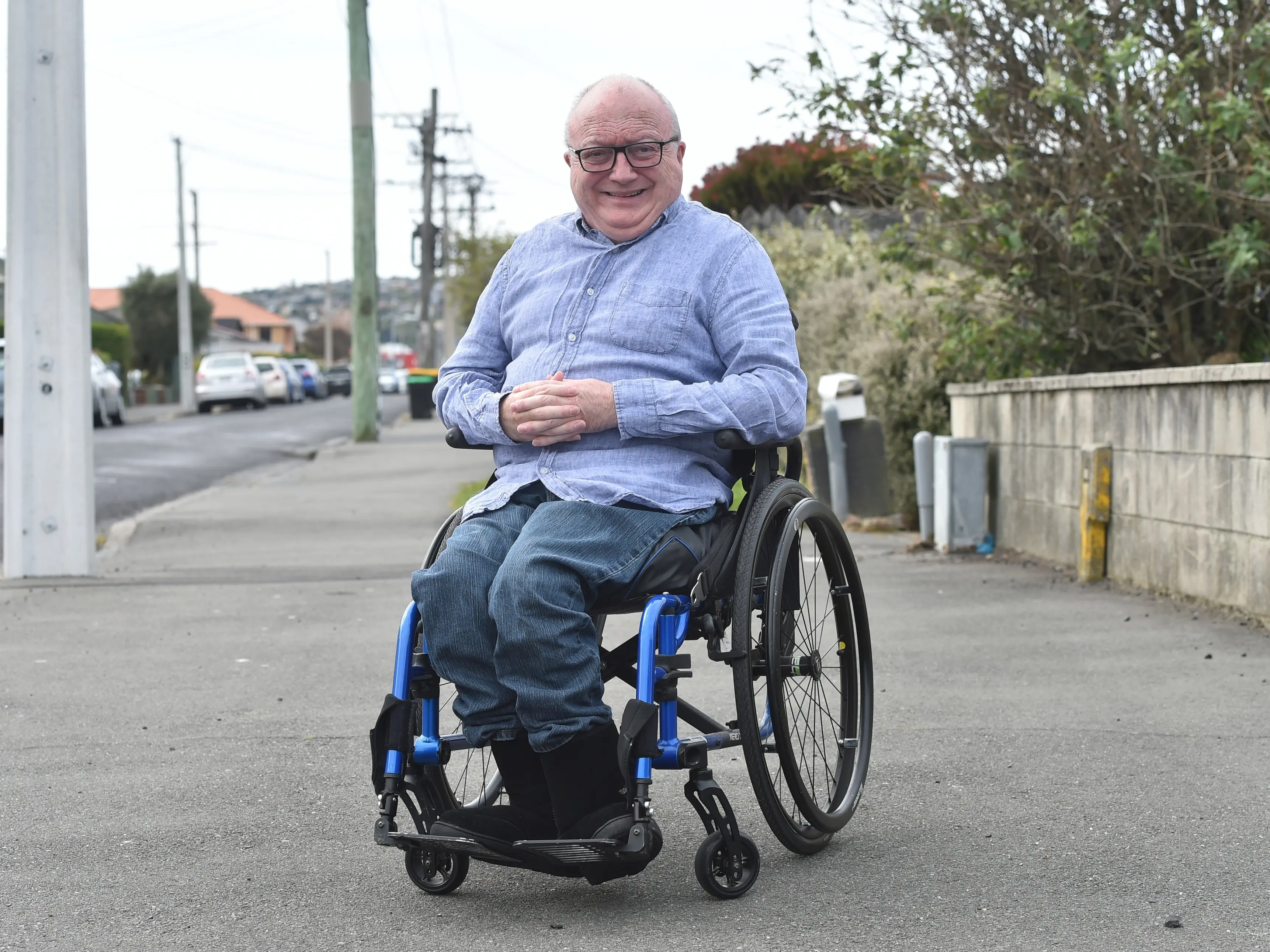
A new report that shows people with disabilities spend longer in emergency housing has not surprised a Dunedin sector advocate.
A study by researchers at the University of Otago, Wellington, published in the International Journal on Homelessness, found between 2016 and 2022, people with disabilities stayed in emergency housing 6% more often and for 5% longer than those without disabilities.
Research fellow Dr Chang Yu said even though it was intended to be only for brief stays, families and individuals had been living in emergency housing for three to six months on average — and sometimes up to three years.
"Those with mobility issues often have specific requirements for the physical design and layout of a property ... which means there is a much smaller pool of rental housing to choose from," Dr Yu said.
The study drew on Stats NZ’s Integrated Data Infrastructure to analyse 65,000 people in emergency housing, including 6800 with disabilities.
It found the average income for disabled people in emergency housing was $22,519, compared to $28,193 for the overall emergency housing population.
Dr Yu noted the average rental property in New Zealand cost $29,000 a year.
"It is clear that people with disabilities are being priced out of most of the rental market."
Disabled Persons Assembly southern and central policy adviser Chris Ford spent about 11 months in a North Dunedin motel during 2020 and 2021 before finding an accessible Kāinga Ora home in South Dunedin.
"The findings don’t surprise me from either an individual personal standpoint or from my role as a policy adviser."
Although he was working, his income did not cover private market rates.
Mr Ford lived in Kaikorai Valley prior to his tenancy ending in 2020.
He attempted to find a private rental before moving into emergency housing at the motel, but the cost was prohibitive.
He had discussions about the tenancy costing $450 per week before he went into emergency housing at the motel, around late 2019.
"I talked to the landlord, but ... the rental being quoted was $450 a week.
"I couldn’t cover that and I wasn’t eligible for any work and income related additional assistance.
"So that does prove the point that the research makes.
"Even if disabled people are able to find an accessible private sector rental, it is often unaffordable."
Mr Ford said he supported rent caps and believed market interventions were necessary to enable everyone, including disabled people, to afford accommodation.
The Disabled Persons Assembly supported the position that the stock of accessible public and community sector properties needed to be increased.
"We are very disappointed in the government’s decisions to scale back on developments via Kāinga Ora, for example, including here in Dunedin."
"There is still a need for more public housing builds to be undertaken, more social housing builds, in order to meet the demand that is there."
While the assembly had some success in pressing the Dunedin City Council to build community housing that met universal design standards, it was disappointing that the council had not planned any new projects in their latest long-term plan.
"In Dunedin, as we know, there is still a great deal of homelessness and a disproportionate number of that homeless cohort are disabled people, sadly," Mr Ford said.
-This story has been updated with the following information: